
(Image credit: credits-unknown)
Go straight to the latest news about horse bits and bitting
Latest from Bits and bitting
-
 Riders raise concerns over unexpected new tack rules
 -
 The double bridle debate – the facts, the opinions… and the politics
 -
 Concern and confusion as FEI bans bit used by top riders
 -
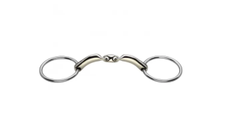 Considering a Sprenger NovoContact bit for your horse? Here’s what you need to know…
 -
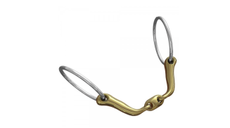 Neue Schule Verbindend: everything you need to know about this bit
 -
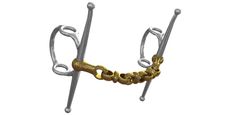 The Waterford running gag bit: how does it work and what type of horse does it suit?
 -
 ‘We had to change the whole bridle’: new bit tape rule catches veteran rider on the hop at showjumping Europeans
 -
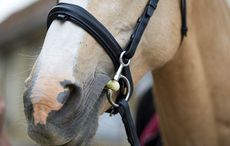 Choosing the right bit: would a hanging cheek snaffle suit my horse?
 -
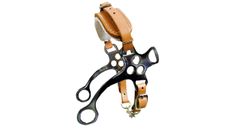 The English hackamore: how does it work and what type of horse does it suit?
 -
 The full cheek snaffle bit: how does it work and what type of horse does it suit?
 -
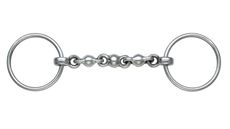 The Waterford bit: how does it work and what type of horse does it suit?
 -
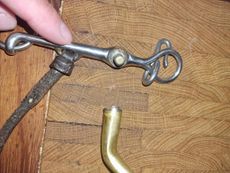 ‘The bit broke in half just before the gallop’: Irish Draught defies tack malfunction to win
 -
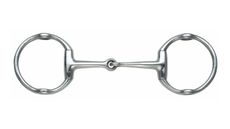 The Cheltenham gag bit: how does it work and what type of horse does it suit?
 -
 What does this horse have in her mouth? ‘It’s basically a giant sponge’
 -
 Laura Tomlinson: ‘Will the double bridle be consigned to history?’
 -
 ‘We’re all human’: Charlotte Dujardin among latest eliminations for bits on the wrong way
 -
 At least seven competitors eliminated at championships for incorrectly fitted bits
 -
 The dramatic moment horse loses its bridle in a speed class – and still finishes fourth
 -
 5 top tips to help you choose the perfect bit for your horse


