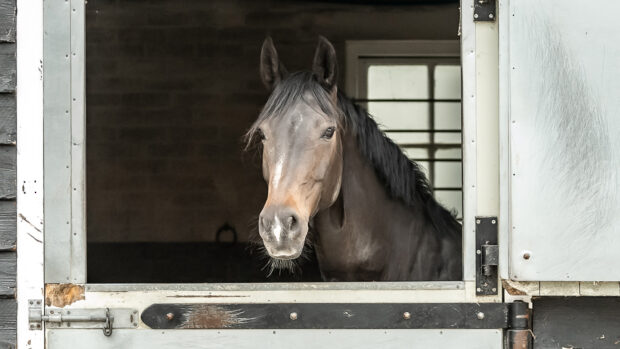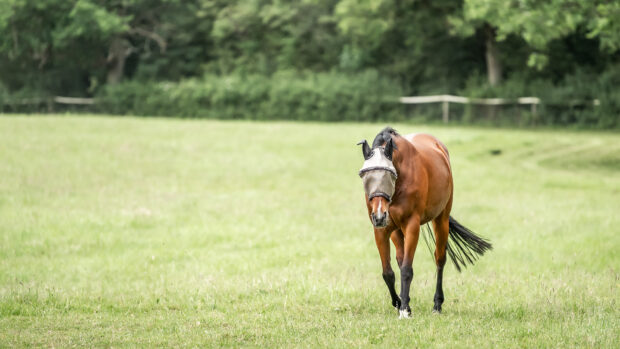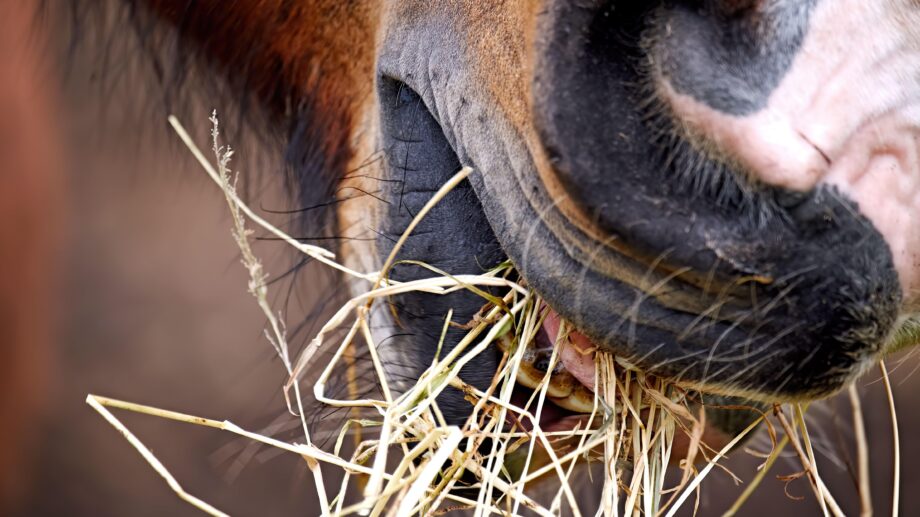
Little and often, fibre-focused and balance in the bucket – feeding equines appropriately takes know-how
In the wild, horses self-administer fibre-rich grass and browse hedges for up to 18 hours per day. But when it comes to domestic equines, who live very different lives from their wild and feral cousins, you might be wondering how much to feed a horse.
Spend five minutes in the horse world, and you’ll find a plethora of opinions on the subject – professional and otherwise. It’s true that how much to feed a horse hinges in part on the individual: breed and type, level of work, bodyweight, age and underlying conditions. To address such nuances, consult with a professional veterinary expert or equine nutritionist.
That said, there are golden rules of feeding horses that apply more or less across the board. These help meet nutritional needs and ensure healthy gut function in every horse.
In this guide, I’ll cover not only how much to put in your horse’s bucket, but also his forage ration. Plus, we’ll explore the composition of his diet, and what you can feed as a treat.
Jump to:
- Your horse’s forage ration
- How much forage to feed a horse
- What goes in a horse’s bucket?
- How much to feed a horse in their bucket
- What can horses eat
Your horse’s forage ration
Forage is the term given to fibre-rich, stalky fodder such as grass, hay, haylage and chopped fibres such as chaff. There are many types of forage, including hay replacers, all with different nutrient, calorie (energy) and moisture levels. Whichever forage type – or types – match your horse, the important thing to know is that forage forms the vast majority of a healthy horse’s diet.
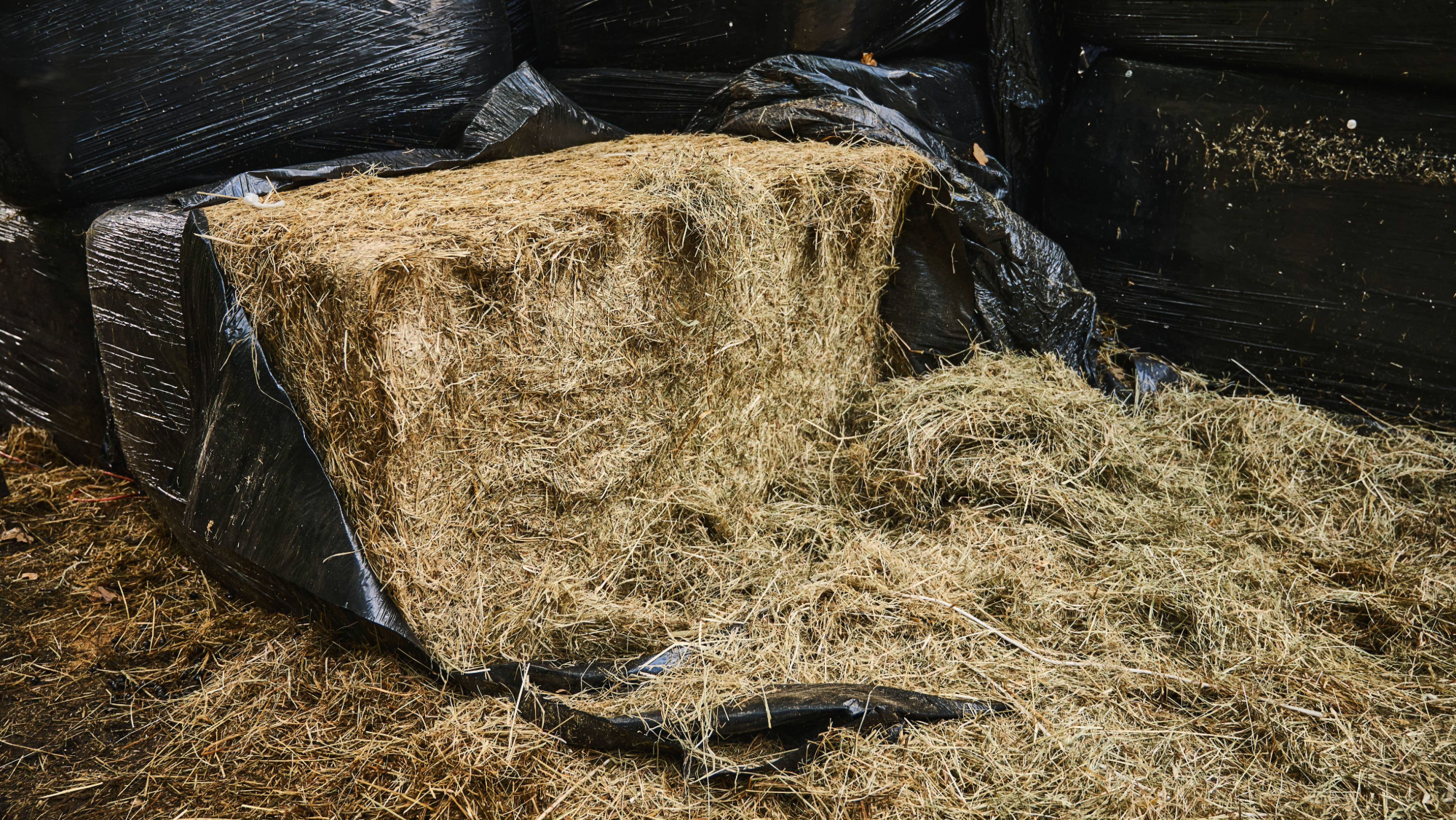
A horse’s diet is mostly made up of forage, like this haylage. Photo: Andrew Sydenham
Why is forage so important?
Simply put, forage is fibre, and fibre is essential to equine gut health. Horses are trickle feeders, which means they are biologically designed to eat for the majority of their waking hours – and horses don’t sleep much. Grazing on forage is how they achieve this.
Chewing on forage encourages saliva production, which helps buffer a horse’s highly acidic stomach. It aids digestion and guards against gastric ulcers.
Importantly, your horse’s forage intake supplies most of his daily calories, so it’s a true cornerstone of his diet.
How much forage to feed a horse
Typically, the textbook advice is that horses should eat 2-2.5% of their bodyweight in forage per day on a dry matter basis, or no less than 1.5-1.8% to encourage weight loss. A dry matter basis means the weight of the forage minus its moisture content.
This means that if your hay has a 12% moisture content and you need to feed 10kg of dry matter forage to your 500kg horse, you would need to feed 11.36kg of hay.
You calculate this by dividing the weight of dry matter forage to be fed (10kg, or 2% of 500kg) by the dry matter percentage of your forage (in this case, 0.88).
The ad-lib rule
That said, there’s another rule for how much hay to feed a horse. The best way to feed forage is on an ad-lib basis. This means giving your horse as much as he can eat throughout the day and night.
Constant chewing and movement of the gut is optimal for horses, and a plentiful stream of forage is the best way to achieve this.
The ad-lib method is not suitable for overweight or obese horses, because it delivers too many calories and too much sugar. In these instances, owners must be clever about how they feed hay to extend their horses’ eating time.
For instance, they might soak hay to reduce its calorie content, meaning they can feed a greater quantity safely. Or, they might use one of the best small-holed haynets to slow their horse down.
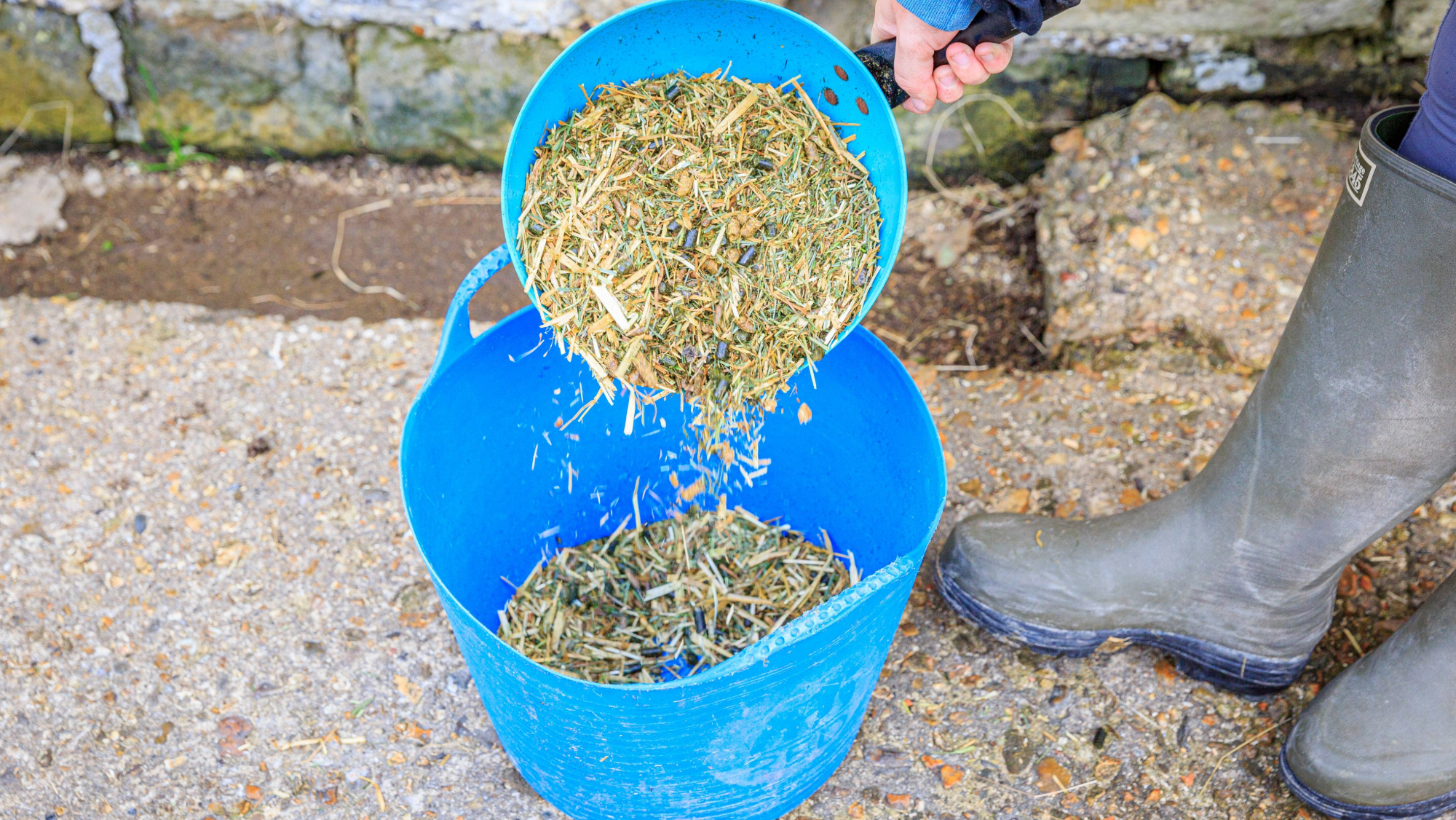
Chaff is fed in the bucket to help encourage chewing. Photo: Andrew Sydenham
A horse’s bucket feed – what goes in?
Although a vital source of calories and nutrients, grass, hay and haylage are naturally deficient in essential micronutrients, including vitamins and minerals.
This means a forage-only diet doesn’t deliver the full spectrum of micronutrients horses need each day, and must be “topped up” by a bucket feed.
Additionally, some horses require extra nutrients such as protein, calories (energy) or supplements to support them through work, age or a health concern.
Traditionally, horses were fed straights. This means feed rooms contained a variety of components such as grains, cereals, legumes and fibres and owners would mix them to form the bucket ration. Feeding straights correctly requires years of expertise and advanced equine nutritional knowledge.
These days, most owners feed from bags that are formulated by expert nutritionists and mixed for you by horse feed companies. These offer a correctly balanced diet when fed alongside appropriate forage.
In general terms, bucket rations often contain a selection of the following:
- Dried chopped forage or chaff to add fibre, aid digestive health and comfort, and to help encourage chewing to help avoid choke
- Pelleted or powdered feed balancers that, when fed at the recommended rate (usually around 100g for a 500kg horse) deliver the full spectrum of nutrients horses and a balanced diet alongside forage. They might also be formulated to address particular nutritional needs, such as for a veteran or breeding stock.
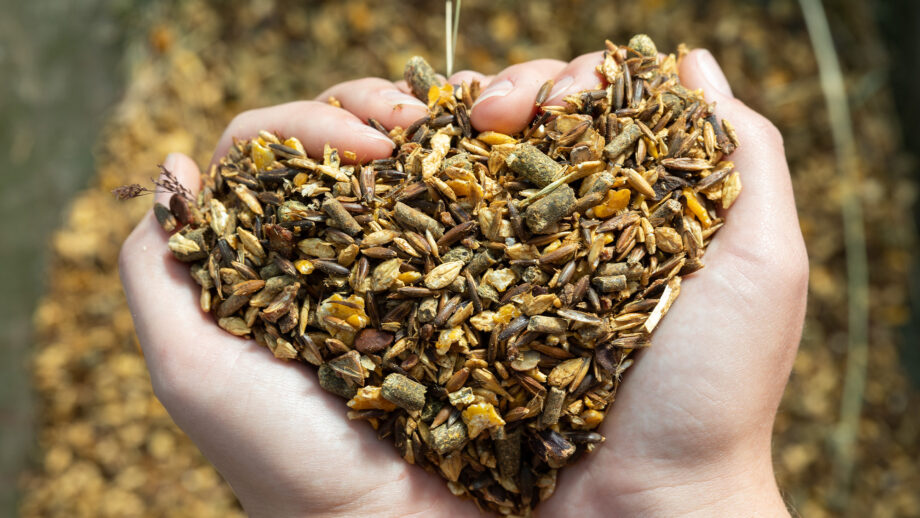
- Coarse mixes that look like museli. Like balancers, these are formulated for different purposes and are often workload or performance-specific. They must be fed at the recommended rate to ensure the horse’s recommended daily nutrient intakes are met. Otherwise, they can be “topped up” with a balancer or vitamin and mineral supplement
- Feed cubes (also called nuts) that serve the same purpose as mixes but can help discourage fussy feeding. They must also be fed at the manufacturer’s recommended rate or be “topped up”
- Supplements that balance the diet for horses who don’t need any more calories or protein – there are joint supplements, respiratory supplements, gut balancers and so on
- Mashes or soaked sugarbeet for hydration, conditioning, added fibre and additional calories and/or nutrients. Horses with poor dentition can benefit from these
- Oils to add calories or promote a healthy coat
- Straights for top dressing, such as oats to fuel performance or linseed for condition. These must be added with regard to total diet balance. If not, they can cause harmful imbalances, so it’s best to seek advice of a nutritionist before adding these.
Generally, bucket feed is wetted to encourage thorough chewing (to help avoid choke) and to lay any dust. For most feeds, the water added wouldn’t be enough to make a difference to hydration.
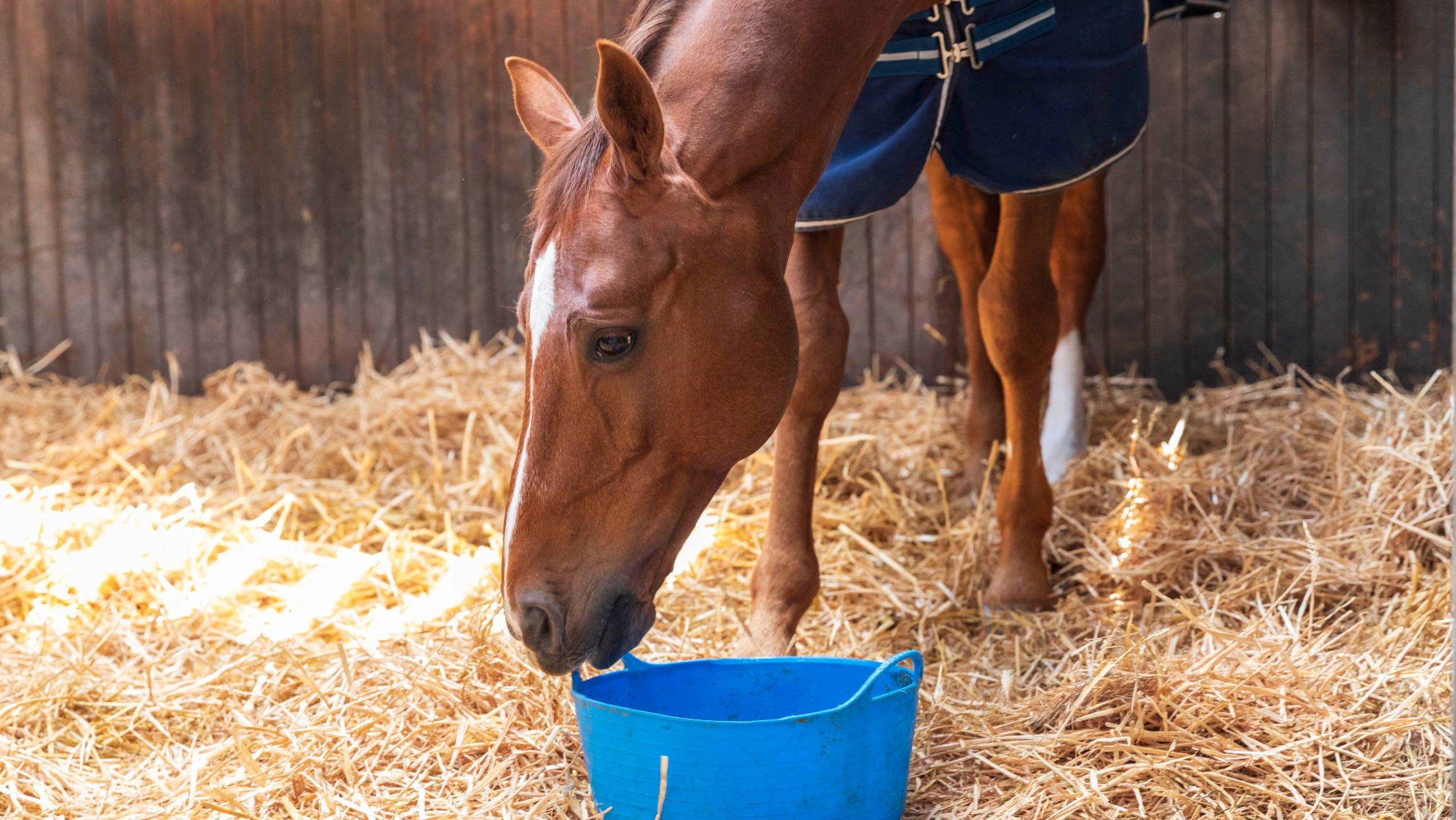
Large volumes of feed should be split over several bucket rations. Photo: Andrew Sydenham
How much to feed a horse in their bucket
Another common saying in the horse feeding world? Feed little and often.
Despite their stature, horses have a relatively small stomach and a complex gut. Because of this, there is clear guidance on how much to feed a horse in their bucket at a time.
According to independent nutritionist Clare MacLeod MSc RNutr, a 500kg horse’s individual bucket feed (before adding chaff) should weigh no more than 1.5kg.
“The reason for this is the relatively small size of a horse’s stomach,” she explains, adding that it has a roughly 8-15 litre capacity.
“Also, horses evolved as a trickle-feeding forage eater, not as a large meal-eater.
“Another reason to keep concentrate meal size small is that it avoids overwhelming the capacity of the small intestine (the next part of the gut). It especially helps avoid large volumes of starch, which in turn helps to keep the hindgut healthy.”
Clare adds that calculating the total weight of bucket feed a horse needs per day depends how much concentrate they need to balance the nutrient shortages in grass, hay and haylage.
Sometimes, a horse must eat several kilos of bucket feed to attain the required nutrient and/or calorie intake. Because of the little and often rule, this volume would need to be spread across two or more feeds a day.
What do horses eat?
As well as their majority fibre diet of grass and hay/haylage and the contents of their bucket (see above), horses can eat a variety of foods as treats.
The best horse treats are high-fibre and low in sugar and starch. These are ideal for digestive health. Many horse feed companies manufacture treats for horses, and these should be fed according to their guidelines.
You can also feed handfuls of chaff as a low-value food reward.
Horses can eat many other fruits and vegetables as an occasional treat, but moderation is key. Safe treats for horses include:
- carrots, cut into batons
- parsnips, cut into batons
- apples, halved or quartered
- bananas, including the skin
- celery, cut into batons
- watermelon chunks
- Turnips, cubed
- Herbs, such as fenugreek and chamomile
- Hedgerow plants, such as hawthorn, hazel, cleaver, rosehips
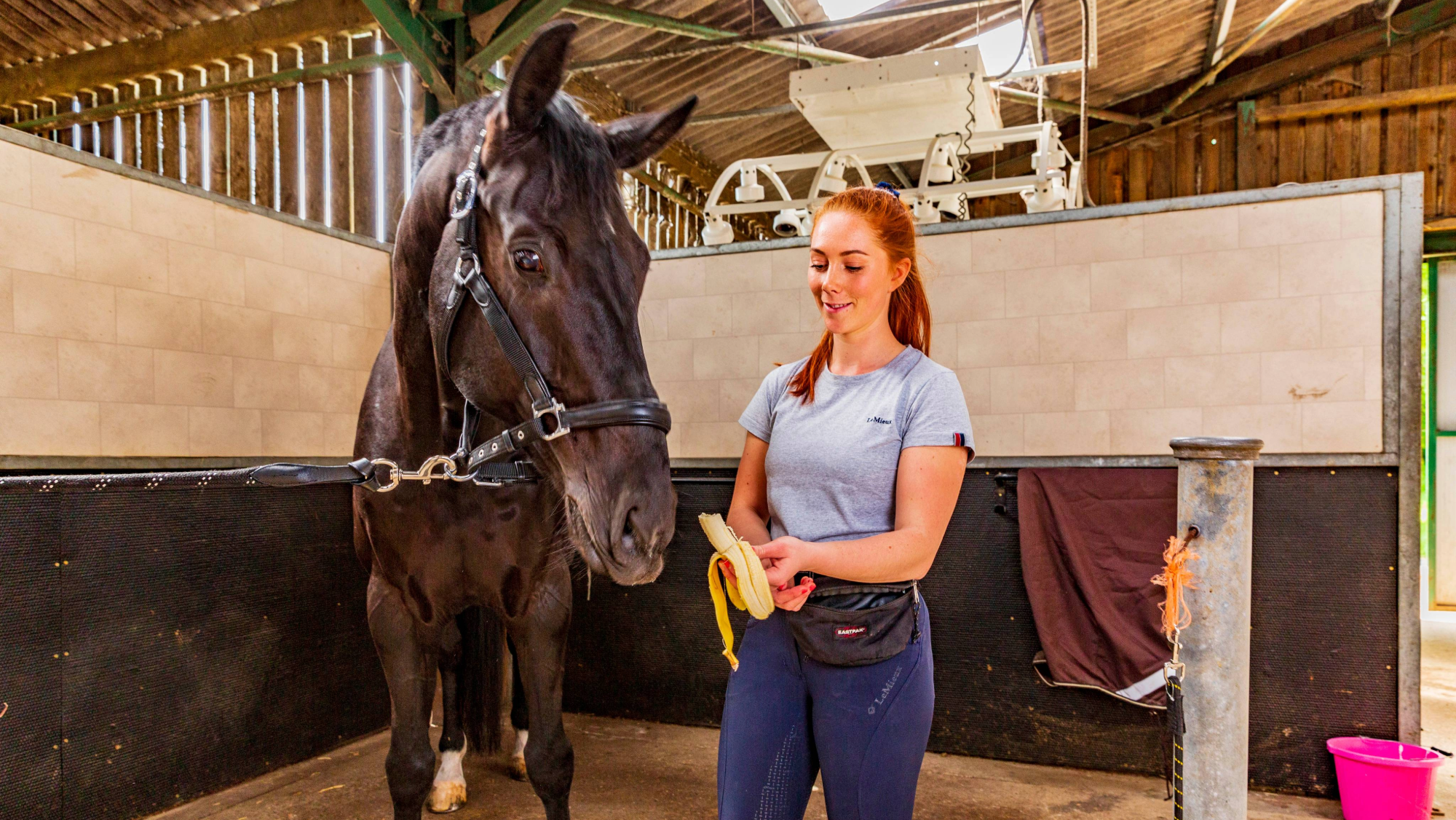
Horses can eat many fruits and vegetables, including bananas. Photo: Andrew Sydenham
Highly processed foods, such as bread and biscuits, are not good for horses.
Many owners feed mints, such as Polos, to their horses as a reward but these should only be fed occasionally.
Horses should not eat foods that produce intestinal gases, such as onions, potatoes, tomatoes, cabbage and Brussels sprouts.
- For unlimited access to advice on how best to care for your horse, subscribe to the Horse & Hound website
You might also like…
The golden rules of feeding horses that all owners should know
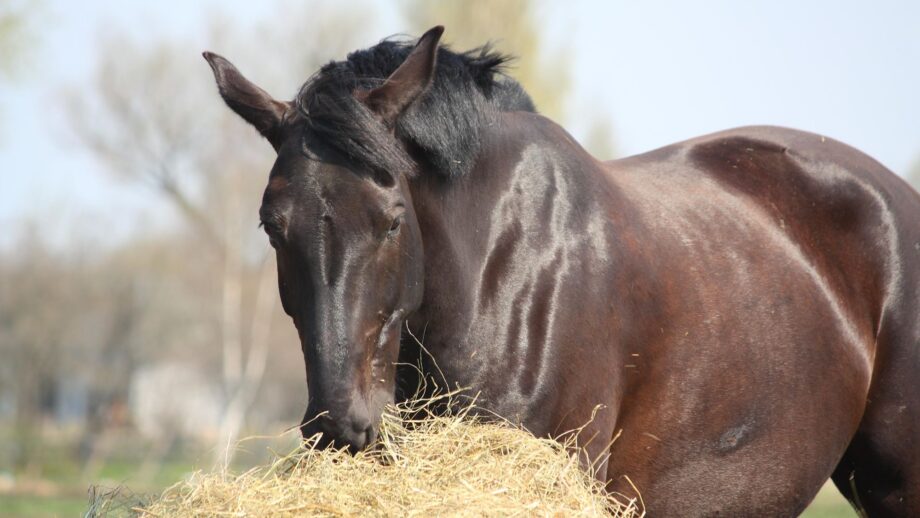
Wondering how much hay to feed your horse? A nutritionist reveals how to calculate their ideal daily ration

11 small-holed haynets and slow feeders to extend eating time and reduce wastage
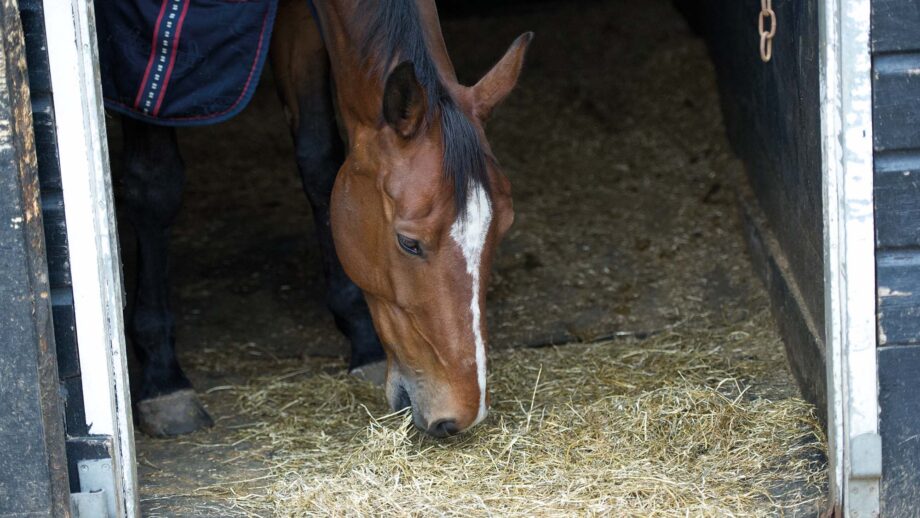
If your horse is underweight this expert advice for feeding poor-doers will set you safely on the right path

Best feed balancers for all horses: what’s on the market?
Subscribe to Horse & Hound magazine today – and enjoy unlimited website access all year round