News
Go direct to the latest equestrian news
Stay up to date with the latest equestrian news as it happens with H&H’s dedicated news service. The H&H news desk brings you breaking news from across the UK and around the world. Whether you are an elite rider or trainer competing at the highest level, an equestrian business owner, a dedicated breeder or a busy amateur who enjoys their horse, our equestrian news service brings you the news you need to know.
If you have a story you would like to share with us, email news editor Eleanor Jones on eleanor.jones@futurenet.com
-

-
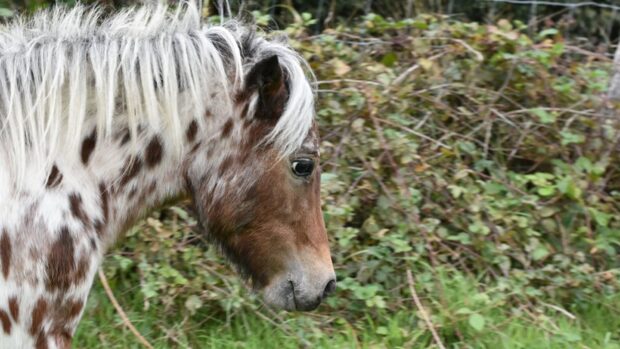
‘Losing one is a tragedy’ but 90% of hill pony population could be at risk from new Government contracts
-
‘The horses looked as happy as Larry’: first British bridleless show inspires – and goes viral
-
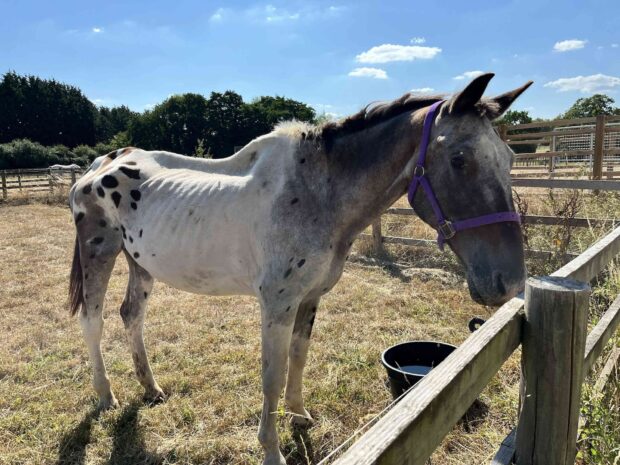
‘A gentleman from day one’: 30-year-old horse left to starve gets his second chance
-
The sport that sticks: why hobby horsing isn’t just a craze – and how to join the fun
-
‘Exciting things are to come’: equestrianism at pivotal moment as work continues on its future
-
Running a livery yard is ‘emotional labour’ new study finds
-
Teenage rider charged after horses ‘intentionally injured with a sharp object’ at show
-
Pressures on riding schools and the challenges they face highlighted in new lesson price data
-
More than 200,000 back petition for public animal abuse register – but concerns raised about vigilante behaviour
-
New FEI horse welfare ‘task force’ to review blood rules across the sport
-
BHS Scotland ‘thrilled’ to celebrate 60th anniversary as major fixture’s charity of the year
-
‘It’s gut-wrenching’: owner of two ‘irreplaceable’ stolen horses appeals for help to get them home
-
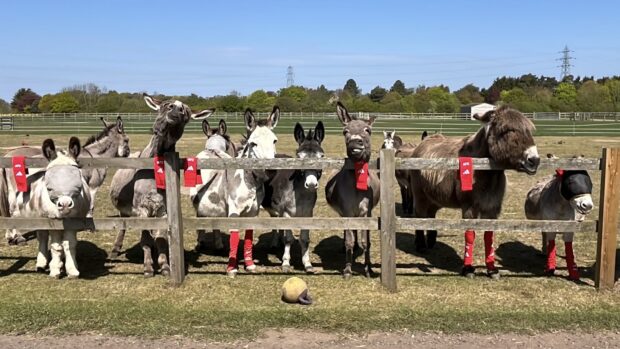
From the Champions League to bandaging legs: how Arsenal socks are helping horses in need
-
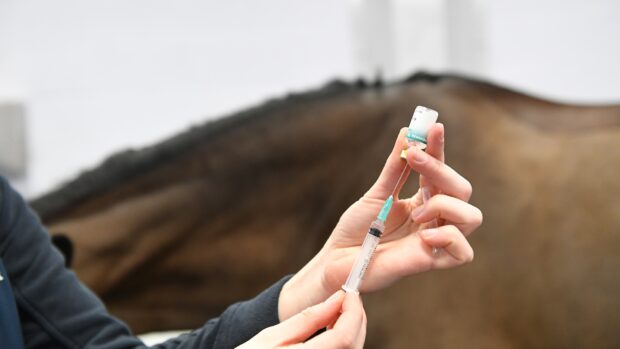
‘Good owners vaccinate their horses against flu for their welfare, not just to compete,’ says equine vet
-
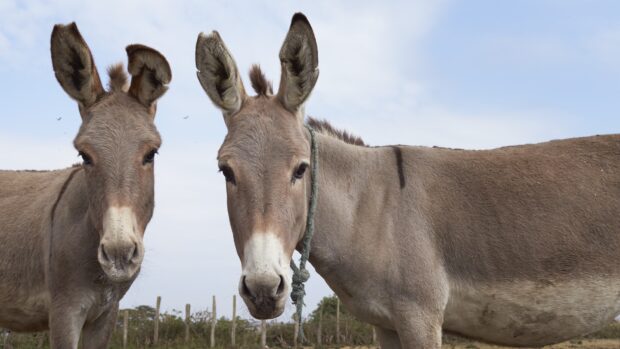
Calls for Amazon to ban sales of product for which millions of donkeys die every year
-
‘Every riding career begins on a school horse’: World Championships initiative provides support for riding schools
-
Equestrians reminded of HGV horse transport rules after rider fined £300
-
‘Do the right thing’: police urge owner of dog who attacked pony to come forward
-
Research finds UK is ‘failing donkeys’ as families urged to consider welfare before they take beach rides