A specialist terrier developed to work the valleys and steep, rocky fells of the Lake District, the Lakeland is a breed with stamina, ability and tenacity. They were bred to assist farmers, working packs to protect the flocks of sheep from foxes.
The now extinct black and tan plays a large part in the heritage of the Lakeland, as well as the Welsh Terrier, Border Terrier and Fox Terriers also providing some bloodlines.
This is a smart, workmanlike terrier with a fearless attitude and alert expression.
Lakeland Terriers come in a variety of colours. Credit Pete Smith/Country Life Picture Library
(Image credit: creditUnknown)
Lakeland terrier: fact file
Kennel Club breed group: terrier
Size: small
Daily exercise: an hour a day
Coat: short, dense and harsh; non-shedding.
Horse & Hound Newsletter
Never miss out on the latest happenings in the equestrian world
Colours: black, black and tan, blue, blue and tan, liver, red, red grizzle and wheaten. Dark or hazel eyes, moderately small.
Lifespan: more than 12 years.
Bark: like most terriers, Lakelands do like the sound of their own voice. This means that despite their diminutive size, they can make a useful watchdog alerting you to strangers.
Distinctive features: a big dog in a small package. They have a swagger, with comparatively long legs for their size and a mischievous twinkle.
H&H pictures editor Bex Pattenden, owner of Lakeland Terrier “Sassy”, says: “They may be small in stature but they’re massive in personality and character. Buckle up for a fun ride!”
Temperament: bold, friendly and self-confident. Always alert and ready to go.
Things to consider: they make the ideal family pet, but don’t always relish sharing their home with another dog, particularly of the same gender and breed. Small pets such as hamsters are likely to have a precarious existence with a Lakeland in the home.
They need consistent training from an early stage so that you can instil the behaviours you want in the adult dog.
Their coats don’t shed but require regular grooming and trimming. Show dogs will be hand trimmed, while pet dogs just need regularly combing with an appropriate grooming brush.
You’ll need good fencing to keep him contained as their strong working instincts can take over. And they can also dig, so you’ll want to brush up on how to stop your dog digging in the garden.
The good news is that they don’t need a massive dog bed, saving you a little bit on costs. A bed designed for small dogs is ideal.
Training: although physically they don’t need hours of exercise as this is not a hyperactive breed, mentally they need plenty of stimulation so make sure they get plenty of both! The best puzzle toys for dogs are great to keep them entertained, companionship and frequent opportunities to get out and about. They love to race around and play with a ball, and can walk all day long.
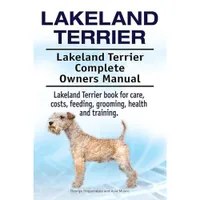
Lakeland Terrier Owners’ Manual | Amazon Learn about this breed that that dates back to the 1700s and find out whether this bold and confident dog will be the best choice for you and your family.
Horse & Hound magazine, out every Thursday, is packed with all the latest news and reports, as well as interviews, specials, nostalgia, vet and training advice. Find how you can enjoy the magazine delivered to your door every week, plus options to upgrade your subscription to access our online service that brings you breaking news and reports as well as other benefits.
Martha is an experienced journalist who is mad-keen on horses and dogs. Her reporting CV includes the Paris Olympics, European championships, Aachen World Equestrian Festival and World Cup finals. After growing up with assorted liver and white springer spaniels, she enjoyed 14 years with two rescue dogs. Now, her constant companion is Fidget, an extremely energetic and habitually muddy black and white springer. Martha has written on topics as diverse as a top horse’s clone to the best GPS trackers for dogs, as well as equestrian and rural matters for Country Life, The Field, The Times, The Spectator and The Telegraph alongside Horse & Hound.