Advertisement Feature
Encysted small redworm
What?
These are one the most common and harmful worms found in horses. They are the larval stages of the small redworm that have buried into the lining of the gut where they lie dormant for some time. They pose a potentially fatal health risk but won’t show up in a standard faecal worm egg count.
Why?
Untreated, encysted small redworm may develop and emerge en masse from the gut wall in the early spring, causing diarrhoea and colic with a mortality rate of up to 50%.1 In this year’s National Equine Health Survey,* 20% horse owners didn’t recognise the potential dangers of encysted small redworm. One in five who said they had treated for it used a wormer that was not licensed to treat the encysted stages of this dangerous parasite, leaving their horses at serious risk.
When?
It is recommended that all horses receive a treatment for ESRW during the late autumn/winter, regardless of their faecal worm egg count.2
You may find it helpful to look at Zoetis’s encysted small redworm website at www.esrw.co.uk. You can test your knowledge before discussing the best treatment options with your vet or a suitably qualified person (SQP). The site contains an informative video, a quick quiz and a helpful advice leaflet that can be downloaded.
Tapeworm
What?
Tapeworm are white, flattened, segmented worms which can grow up to 20cm long. They are usually found at the junction of the small and large intestine where they attach themselves to the gut wall using suckers. They won’t show up in a standard faecal worm egg count. Even if with your horse’s negative FWEC it could still have a tapeworm burden. The only way to check is to ask your vet to conduct a separate tapeworm test.
Why?
They can result in a number of health-related problems, ranging from loss of condition to diarrhoea and colic. An infected horse has been shown to be 26 times more likely to develop ileal impaction colic than a non-infected horse, and eight times more likely to experience spasmodic colic.3
When?
The accepted method for tapeworm control is to break the cycle by using a wormer specifically licensed for tapeworm about every six months,4 traditionally in the spring and autumn.
Bots
What?
They are the insect larvae of the bot fly and are a common adult parasite found within the horse’s stomach. The female bot fly can lay up to 1,000 distinctive yellow eggs on the hair on your horse’s legs and shoulders or around the eyes, mouth and nose.
Why?
They can cause mild damage to the mouth and gums and may cause damage to the stomach lining.
When?
It is recommended to administer a wormer licensed for the control of bots in the winter, after the first frost when the adult flies have died and before the bots mature.
Always talk to your vet or SQP
Make sure you choose the right worming methods and products for your horse’s circumstances by discussing your worming programme with your vet or SQP. For further information visit www.wormingyourhorse.info
You can also download Stable Mate, the horse health management app from Zoetis. It is available from the iPhone App Store and Google Play Store: text Stable Mate to 80800 to download.
(Standard network charges apply. By responding to this text you are consenting to your data being held either within or outside the EEA and processed by or on behalf of Zoetis to administer and manage any matters relating to Zoetis’s future activities or initiatives.)
For our full privacy policy visit www.zoetis.com
References
- Dowdall S.M.J. et al (2002) Veterinary Parasitology 106, 225‑242
- Nielsen (2012) Veterinary Paristology. 185. 32-44
- Proudman CJ Journal of Equine Veterinary Science (2003) 23 (1) 6-9
- Proudman and Matthews, In Practice (2000) 22, 90-97
*The National Equine Health Survey (NEHS) is run annually by Blue Cross, in partnership with the British Equine Veterinary Association (BEVA)


 Saffie Osborne makes racing history as first female British Classic winner: ‘I definitely didn’t have this on the bingo card for this week!’
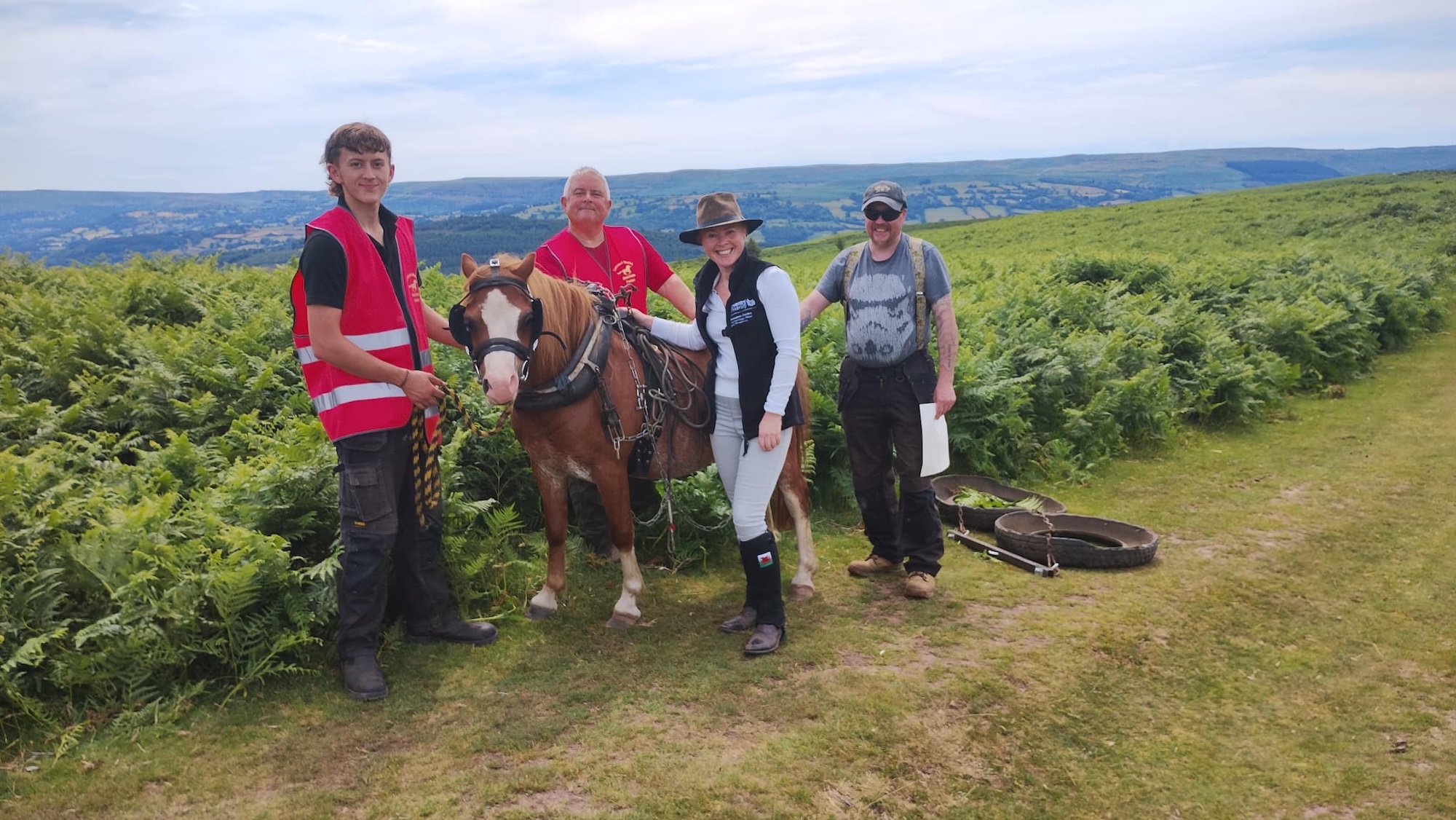 Harnessing horse power to fight wildfires – and benefit people

 What does five-star parasite control look like?
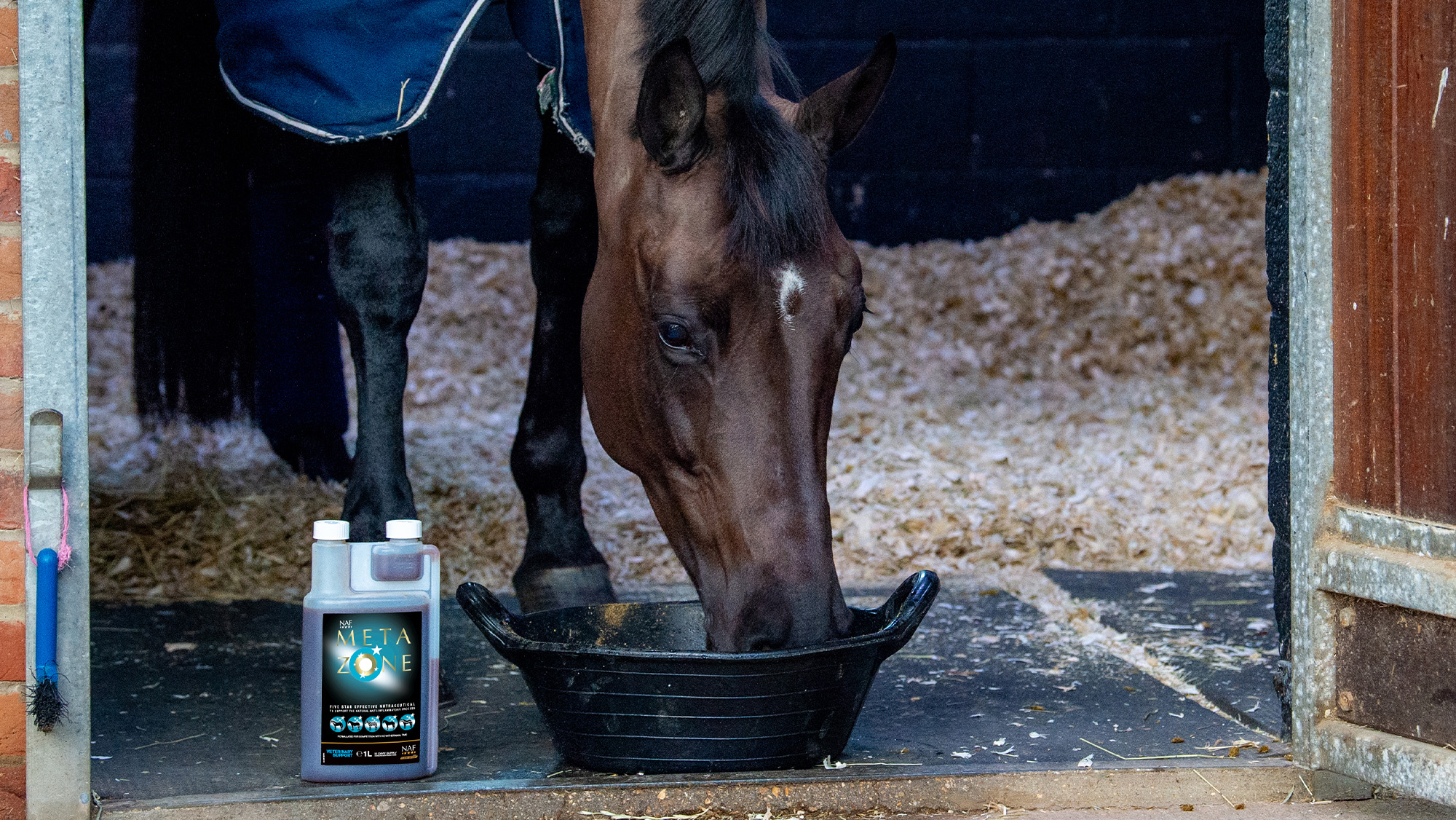 Help your horse stay in the zone this competition season
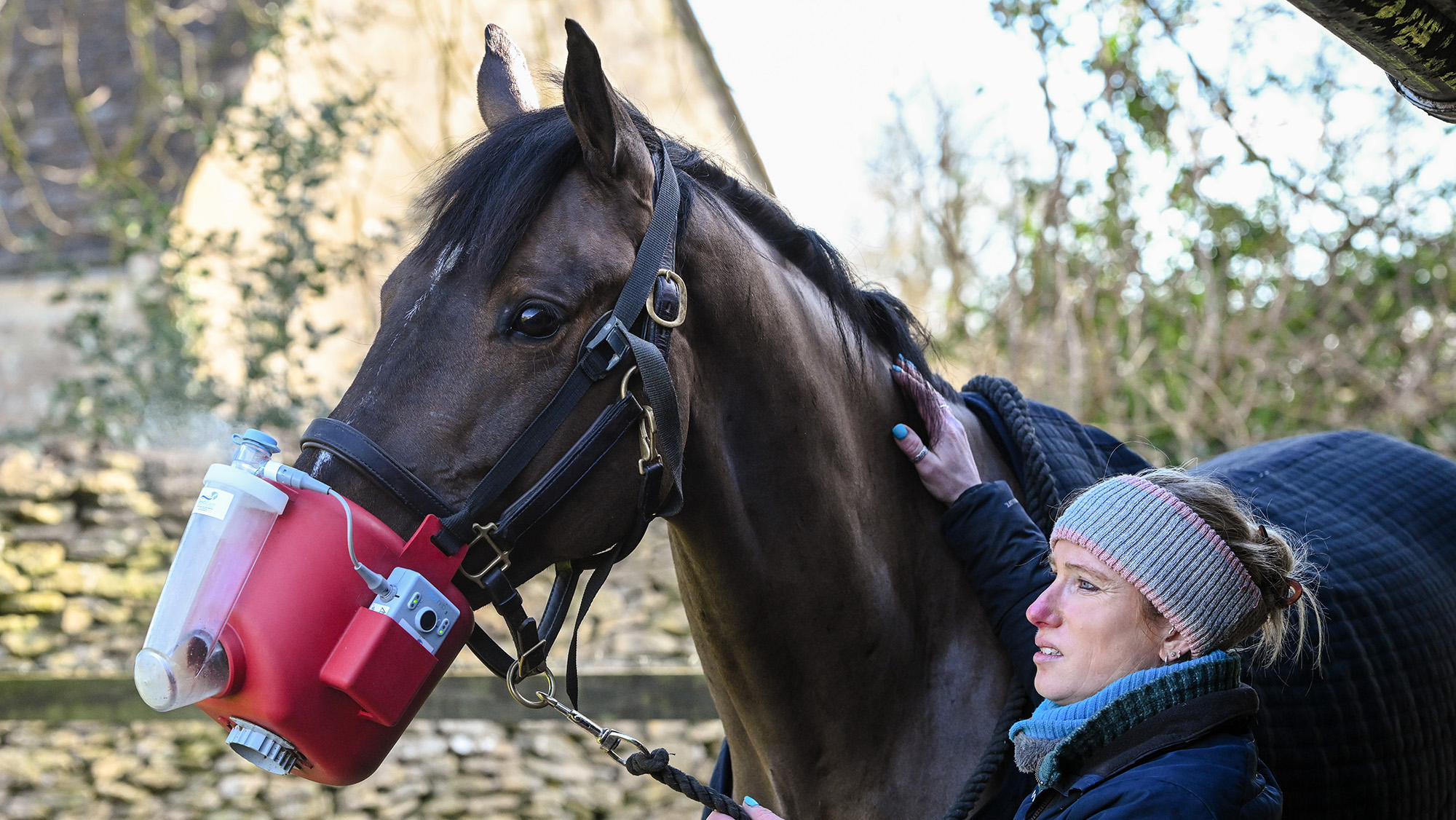 Performance begins long before the start box: preparing horses for peak performance with Harry Meade
 Don’t forget this key ingredient in a stress-free show day
 Is your horse trying to tell you something?
 The three most-common horse insurance questions answered
 Get ahead of spring and summer respiratory results
 The importance of livery yard insurance – and why it could be money well spent


