“You’ve only got one life and one head – and you can’t really put a price on that.”
This was Laura Collett’s take on rider protection, shared in a discussion at the first British Equestrian Trade Association safety conference on 21 April.
The European champion, Olympic gold medallist and five-star winner, who is sponsored by Uvex helmets and Racesafe body protectors, gave “an eventer’s perspective on safety” during the conference, the aim of which was to reduce risks to help make riding safer.
Laura suffered serious injuries in a rotational fall in 2013; she was asked whether this had changed her perspective on safety equipment.
“I think I’ve always been very pro safety,” she said. “After I had the bad fall, I was just very grateful I was already slightly a step ahead. I was wearing the air jacket on top of a good body protector, and was told by doctors at the time that they thought the air jacket did save my life.
“The horse landed directly on top of me and I did have a few injuries but all things considered, when you hit the ground and have a horse land on top of you, the fact I was able to walk away from that without any hugely significant injuries meant I was very grateful for all the equipment I had on. I’ve not changed my thought process from that day, other than I continue to be grateful and continue to try to wear the very best there is around.”
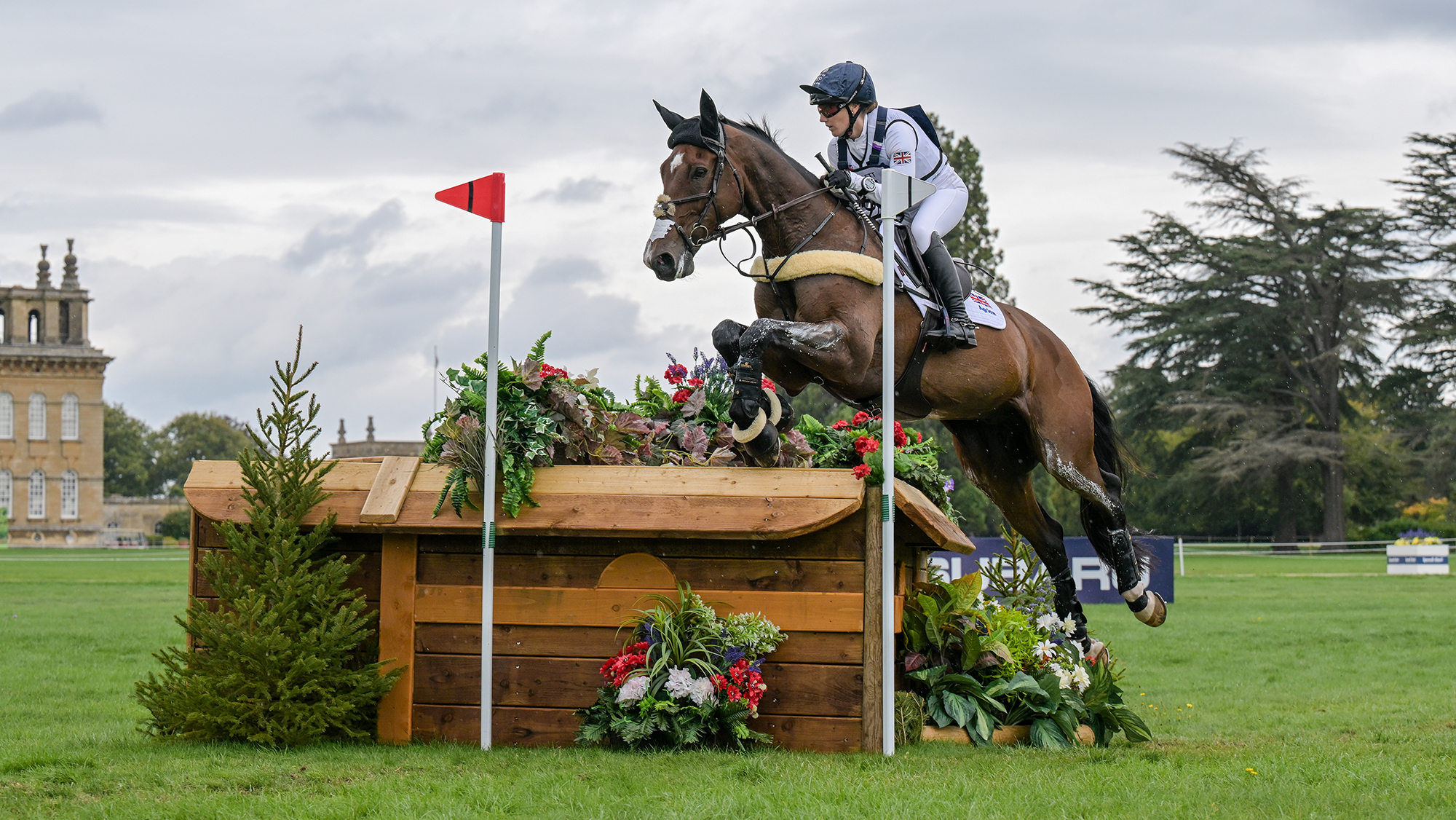
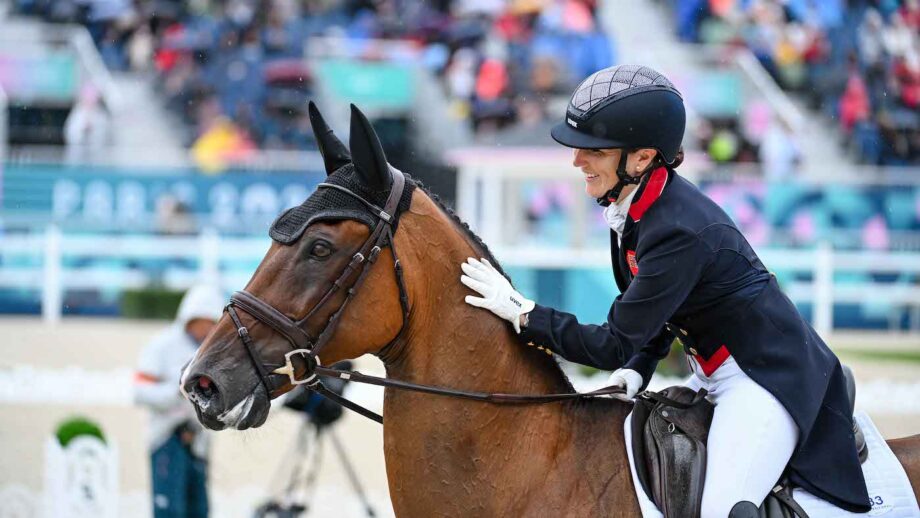
Laura Collett and London 52 on the way to individual gold at the 2025 European Championships.
Laura said that before that incident, she had been “very, very lucky” and had not even broken a bone in a fall.
“You do slightly think ‘It won’t happen to me’ but at the same time you know you’re riding an animal with its own brain and we gallop towards solid fences,” she said. “The reality is that accidents can happen, and freak accidents can happen; it doesn’t necessarily mean you’re riding a ‘bad’ horse.”
Laura said the fall made her slightly change her mindset in the horses she rides, but that this will not prevent all falls or accidents.
“The very best horse can make a mistake and you don’t know when it’s going to happen,” she said. “It’s not like you can just say ‘I’m going to wear a body protector at the big events’ or anything.
“Years ago, you saw a lot of people riding without hats; there seemed to be a perception that it was cool. I personally never thought it was cool to ride without a hat, because the horse can spook or trip or anything can happen, and you can fall off. Even if you’re the best rider in the world.
“It’s often a case of how you fall too; you see other people, and I’ve had falls myself, that look very dramatic but you get up and walk away, no bother. You see another one that you think looks insignificant but just the way the person falls, they can have a worse outcome.”
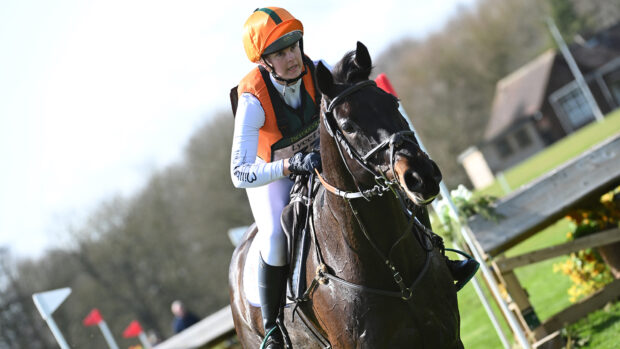
Laura said she wears the same protective equipment at home as for competitions; the same cross-country helmet and body protector with built-in air jacket.
Improved design
She said design has improved; a body protector with an air vet on top could feel too bulky but from her perspective, her gear has no impact on her riding.
“I have full faith in the products I use, and I have very much tested them over the years!” she said. “And I’m very grateful they’ve stood up to the test.”
Laura said the improvement in technology means protectors and helmets are more comfortable now. And although she said this does not bother her, there are some who may not have worn them before owing to their appearance.
“You can have whatever colour air jacket you want now,” she said. “All those things I think make it so people can’t come up with excuses for not wearing them. I’m sure some people still do! But I think if they were honest with themselves and tried them, they’d realise they don’t really have a leg to stand on, saying they’re uncomfortable or they impact them in a negative way.”
Laura considered changes in safety over the years; she was one of those who preferred a top hat for dressage but now would think that “looked wrong”.
“Times do change and people have to accept they’re actually changing for the better,” she said. “It just sometimes takes a little while for people to realise, but I think you look back at old photos, when people were barely wearing a helmet, not attached, and you just think ‘What were they thinking?’”
Laura said her first priority for safety equipment is the standard of protection, then comfort; she advised anyone who may not feel comfortable to try different brands and find what works best for them, stressing the need to have equipment fitted professionally.
Laura Collett on safety equipment
And asked about her view on anyone who might be reluctant to spend large sums of money on safety equipment, she said: “You’ve only got one life.
“At the time, it can seem like a lot of money having to replace the helmet or something that’s broken, but you’d rather spend that money than have another fall with the same helmet, and it be compromised in a way you can’t see. Something will have happened in that fall and you can’t take that chance.
“With head injuries we know it’s often the second that can be a lot worse, even if it’s less impact, so you want to have as much protection as you can and I don’t think that’s something you take lightly. You’ve got one life and one head and you can’t really put a price on that.”
Laura added that were she to speak to her younger self, or a younger rider, she would advise them not to take the risks.
“Don’t try to think you’re cool by not wearing safety equipment,” she said. “A big part would be to always replace the hat. That’s one thing that’s slightly changed for me; even the smallest of falls. If you hit your head, even though you’ve not been concussed, you walked away, still replace the hat.
“When I had my bad fall, my hat had a tiny little crack, and we thought nothing of it. But they took it apart and the difference in the cushioning, the impact it had on the inner shell of the hat that you couldn’t see from the outside, was pretty scary. That hit home for me; the hat can do its job without you realising but it means you need to replace it.
“Everyone who saw my fall was really shocked I didn’t have an injury; I hit the ground and the horse fell on top of me so to come away without a brain injury was pretty impressive, and that’s something you really appreciate. You realise that you can’t be taking chances when it comes to your head.”
- To stay up to date with all the breaking news from major shows throughout 2026, subscribe to the Horse & Hound website
You may also be interested in:
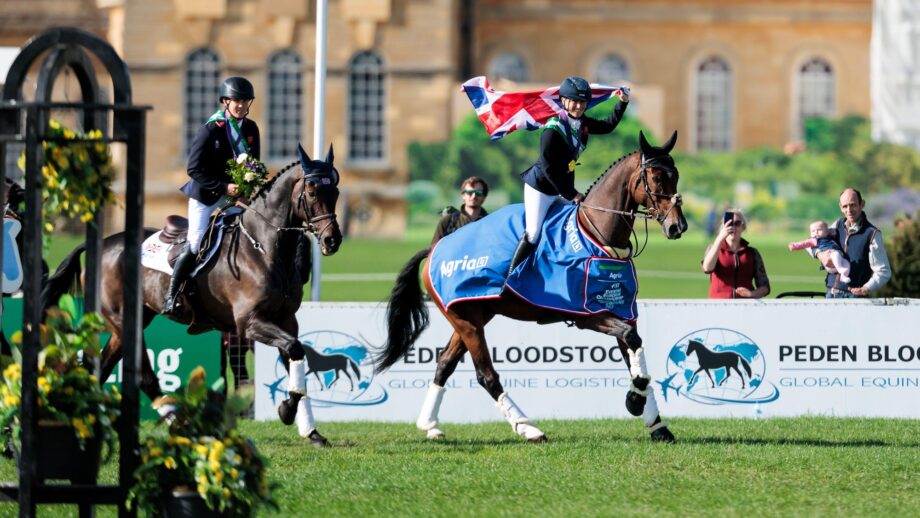
‘Panic! I’m going to the Europeans and I can’t do a flying change!’ Individual champion Laura Collett relives the difficult moments leading up to her glorious win

‘She’s welcome back any time!’ Olympic gold medallist guest-edits Horse & Hound
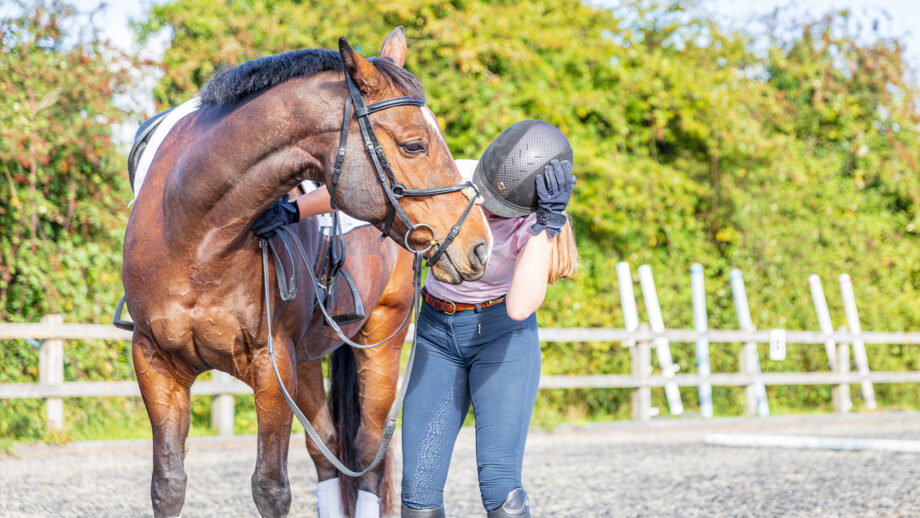
How to recognise concussion in horse riders – and when it’s safe to get back in the saddle
Whether you’re a rider, instructor or have a child who rides, do you know how to recognise concussion?
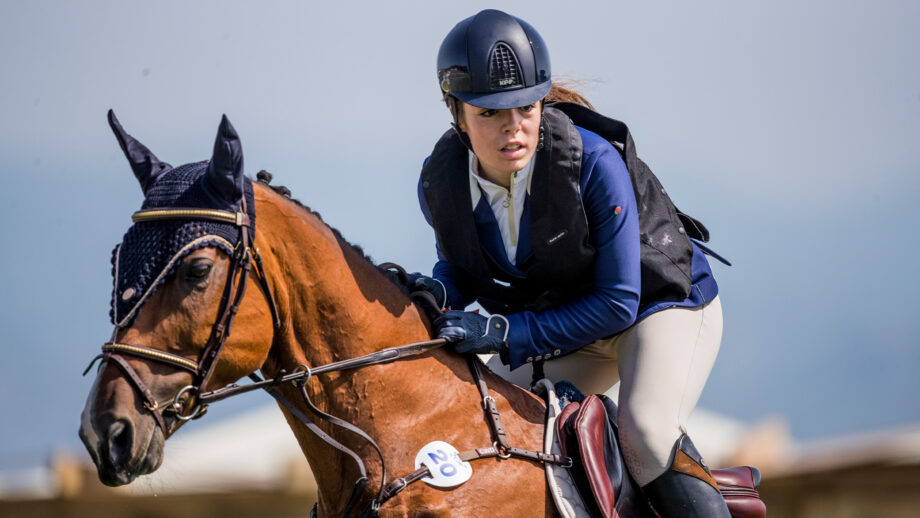
Best air jackets for the ultimate protection, comfort and performance – options to suit every rider
Subscribe to Horse & Hound magazine today – and enjoy unlimited website access all year round