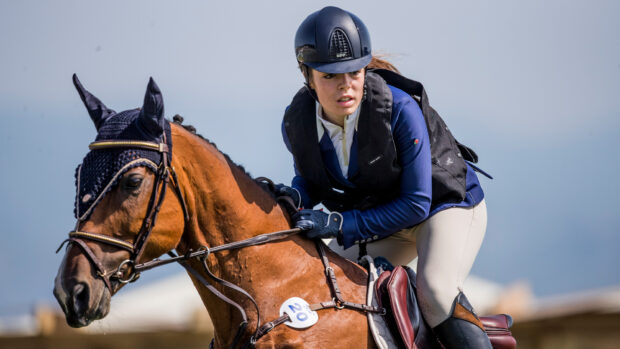
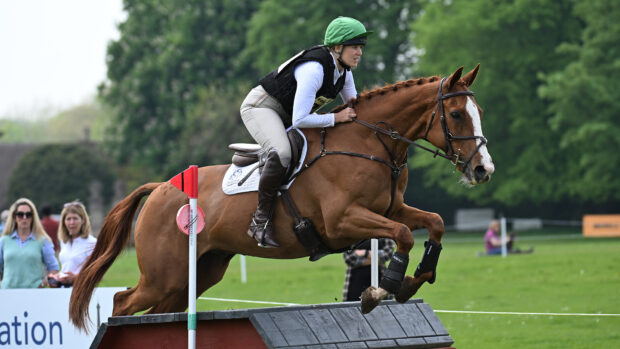
The best body protectors for horse riding are designed to absorb the shock impact caused by a fall, kick or being caught under your horse’s hooves. They can be used by all riders from the complete beginner to the elite.
More riders than ever before are opting to wear body protectors for horse riding and the latest designs are more lightweight and flexible than they have been in the past. Body protectors for children are also increasingly common in riding schools and at Pony Club, where they are recommended for all riding, although they are only compulsory at Pony Club for both training and competing in cross-country riding and pony racing.
Wherever you choose to buy, we strongly recommend that you have your body protector for horse riding fitted by a professional at a BETA-trained retailer as body protectors can’t be appropriately fitted by simply selecting your age or clothing size.
Best body protectors for horse riding
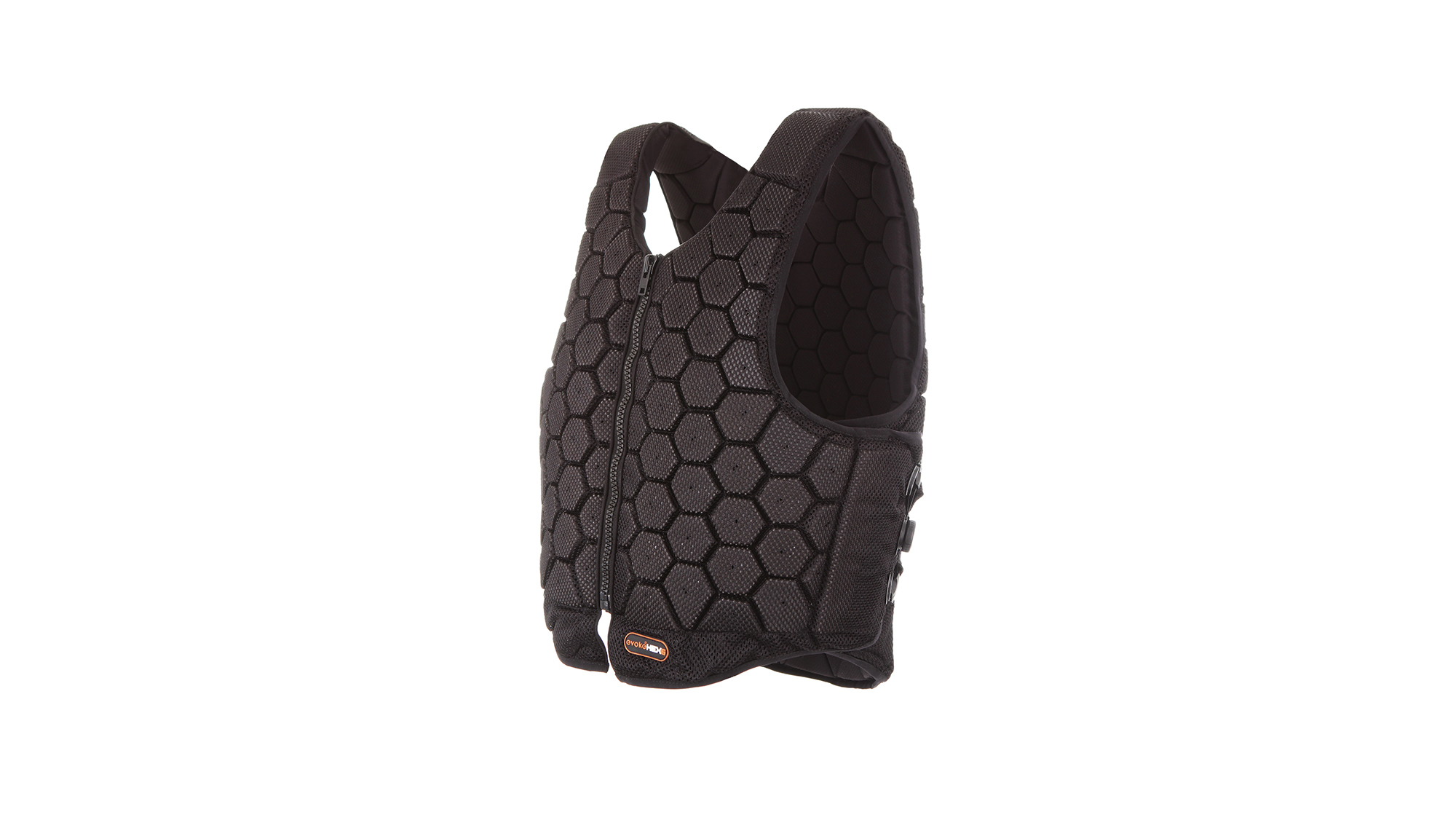
Evoke Hex6 Body Protector
Standard: BETA level 3 (2018)
Colours: Black
Sizes: Tiny tots, young rider or adult, in a range of sizes and lengths
RRP: £139 (tiny tots), £159.99 (young rider) or £249.99 (adult)
Reasons to buy: Flexible style for freedom of movement
Reasons to avoid: No adjustment at the shoulder like others featured in this guide
This is Evoke’s first highly flexible body protector. It features hexagonal foam blocks that offer six-way flexibility and superior impact absorption, plus a breathable mesh lining for comfort. Certified to BETA level 3 (2018), it offers a secure and comfortable fit with a wide range of sizes and a side adjustment system for a customisable fit.
If you are looking for a modern, flexible body protector for everyday riding or more demanding disciplines this would be a good choice.
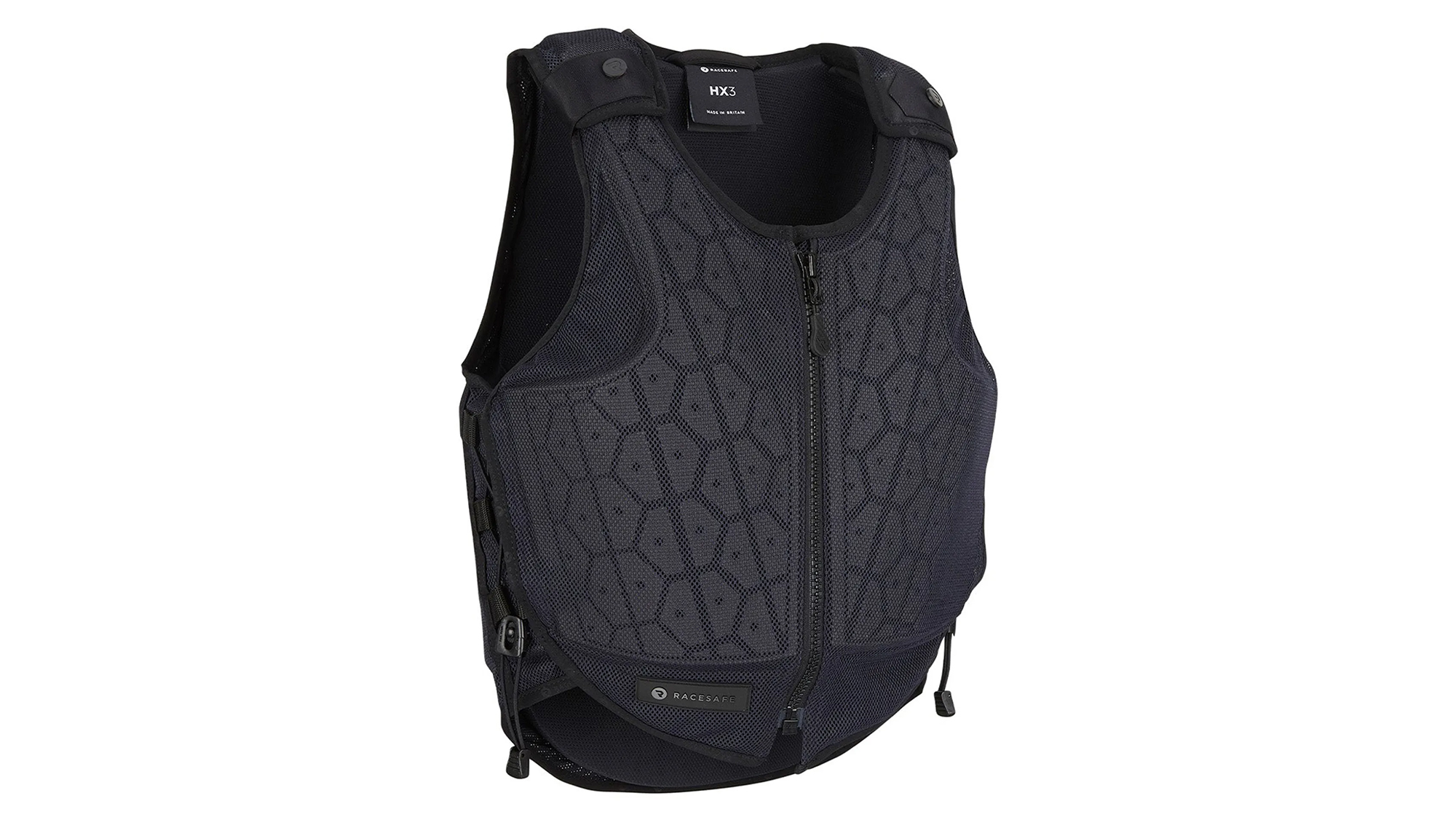
Racesafe HX3 Body Protector
Standard: BETA level 3 (2018)
Colours: Navy or black – custom covers are available separately
Sizes: Child or adult, in a range of sizes and lengths
RRP: From £160 (child) or £255 (adult)
Reasons to buy: Thin and lightweight design, lower price point, redesigned sizing for a perfect fit
Reasons to avoid: Initial investment is high but not as high as some others
The HX3 from Racesafe is their latest development for those looking for the highest level of protection at an affordable price point. The HX3 has a hexagonal foam structure that flexes, adjustable straps, is accessible, and has reduced thickness for improved movement, making it their thinnest level 3 body protector.
If you’re looking for top-tier safety and comfort without having to go for the top price point, this would be a solid choice. Plus, it has the added bonus of the custom covers to blend seamlessly with your favourite cross-country colours.

Charles Owen Kontor Body Protector
Standard: BETA level 3 (2018)
Colours: Black
Sizes: Child or adult, in a range of sizes and lengths
RRP: From £160 (child) or £275 (adult)
Reasons to buy: Looks great, easy to self-adjust
Reasons to avoid: Higher price point, although still competitive
The Kontor from Charles Owen is described as super-flexible and has a body-slimming style, which makes you look great and the body protector itself look less bulky.
The design has outer blocks and inner panels that are filled with high-impact-absorbing foams, and it has adjustments at the chest, waist and shoulders for the perfect fit. It also has a bungee side fastening that makes it easy to adjust yourself, which is ideal if you ride alone.
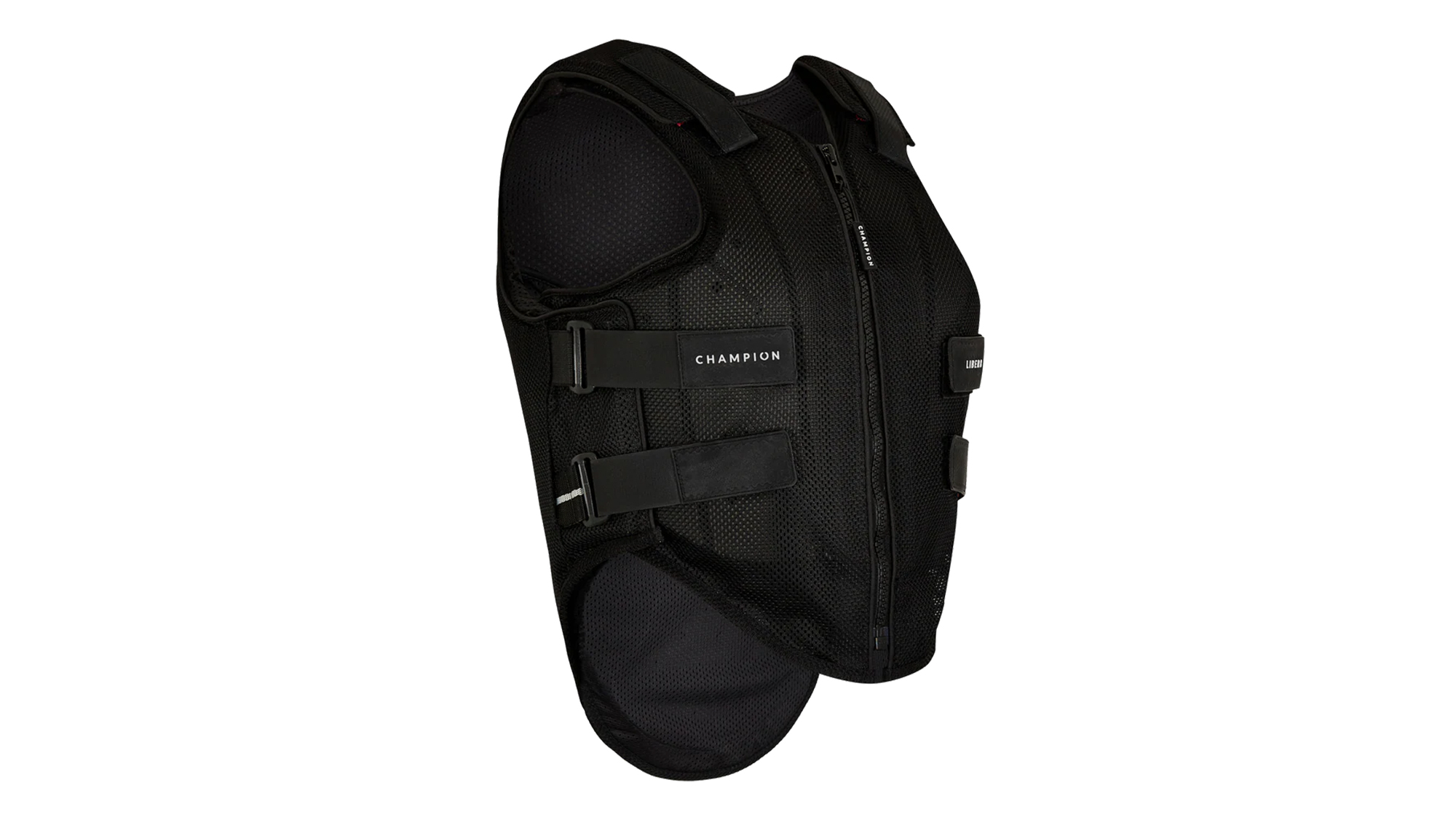
Champion Liber8 Body Protector
Standard: BETA level 3 (2018)
Colours: Black
Sizes: Infant, child, youth or adult, in a range of sizes and lengths
RRP: From £169 (child) or £238 (adult)
Reasons to buy: Offers a tailored fit for freedom of movement
Reasons to avoid: If you’re male, as specifically designed for women
The Liber8 body protector offers a tailored fit for the female rider’s body type and chest size. The streamlined design gives a sleek, professional appearance. It features silicone tabs and adjustable straps at the waist and shoulders, ensuring a secure, personalised fit.
With low-cut armholes and a high-cut design at the hips, the Liber8 offers great freedom of movement. Its layered foam construction provides enhanced impact absorption without restricting mobility.

Racesafe Motion3 Body Protector
Standard: BETA level 3 (2018)
Colours: Navy – custom covers are available separately
Sizes: Young rider or adult, in a range of sizes and lengths
RRP: From £190 (child) or £305 (adult)
Reasons to buy: Custom covers available for personalised look, mix-and-match front/back sizing, added air protection when worn with Racesafe MotionAir
Reasons to avoid: Most expensive option in this guide
The Motion3 is Racesafe’s lightest and most breathable BETA level 3 body protector. It combines more than 120 hinged segments and innovative multi-foam technology to ensure that you’re comfortable as well as safe. The sizing has been redesigned for a perfect fit, providing more than 100 options. You can even mix and match lengths at the front and back, which is great if you’re not a typical shape.
If you’re looking for something that stands out on the cross-country course, Racesafe sell custom covers that go over your body protector in a wide range of colours and patterns – and you can add logos and text, too.

Champion Titanium Ti22 Body Protector
Standard: BETA level 3 (2018)
Colours: Black or gunmetal grey
Sizes: Infant, child, youth or adult, in a range of sizes and lengths
RRP: From £137.99 (infant), £188.99 (child) or £304.99 (adult)
Reasons to buy: Flexible style
Reasons to avoid: Lace-adjustable sides perhaps not as easy as bungee and toggle
This flexible segmented body protector from Champion is made of a military grade outer mesh and ultra-lightweight foam. It has a cool-feel antibacterial inner lining that helps it release heat and stay fresh.
It’s unisex in fit so can be worn by all riders and has 100 flexible sections with clever hidden hinging technology so that it flexes and moves with you, making it comfortable and easy to move in.

Mackey Equi-Sential Flexi Body Protector
Standard: BETA level 3 (2018)
Colours: Black
Sizes: Child XS–XL, adult S–XL
RRP: From £99.95 (child) or £124.95 (adult)
Reasons to buy: Flexible segments at lower price point
Reasons to avoid: Not the most modern look
This block structure body protector is designed to maximise movability and adapt to the body’s shape. The width and length can be easily adjusted by touch-tape fastener at the shoulder and waist, but the zip fastening means you lower the risk of the Velcro deteriorating with regular use. The outer cover is made of dirt-repellent polyester that can be cleaned with a damp cloth to keep it looking smart.

Rhinegold Pro Comfort Body Protector
Standard: BETA level 3 (2018)
Colours: Black
Sizes: Child S–XL or adult S–XL
RRP: £69.50 (child) or £108.95 (adult)
Reasons to buy: Low price point
Reasons to avoid: No zip
This is the lowest priced body protector in this guide. It features smaller segments of padding than other body protectors that are the bulkier non-segmented style, which aims to give a more comfortable feel with greater flexibility and movement.
It doesn’t have a zip fastening, which does make it a little more difficult to put on and there’s an increased risk of the Velcro deteriorating with regular use. It has an elasticated and adjustable clip-in waist strap, which helps you get a good fit.
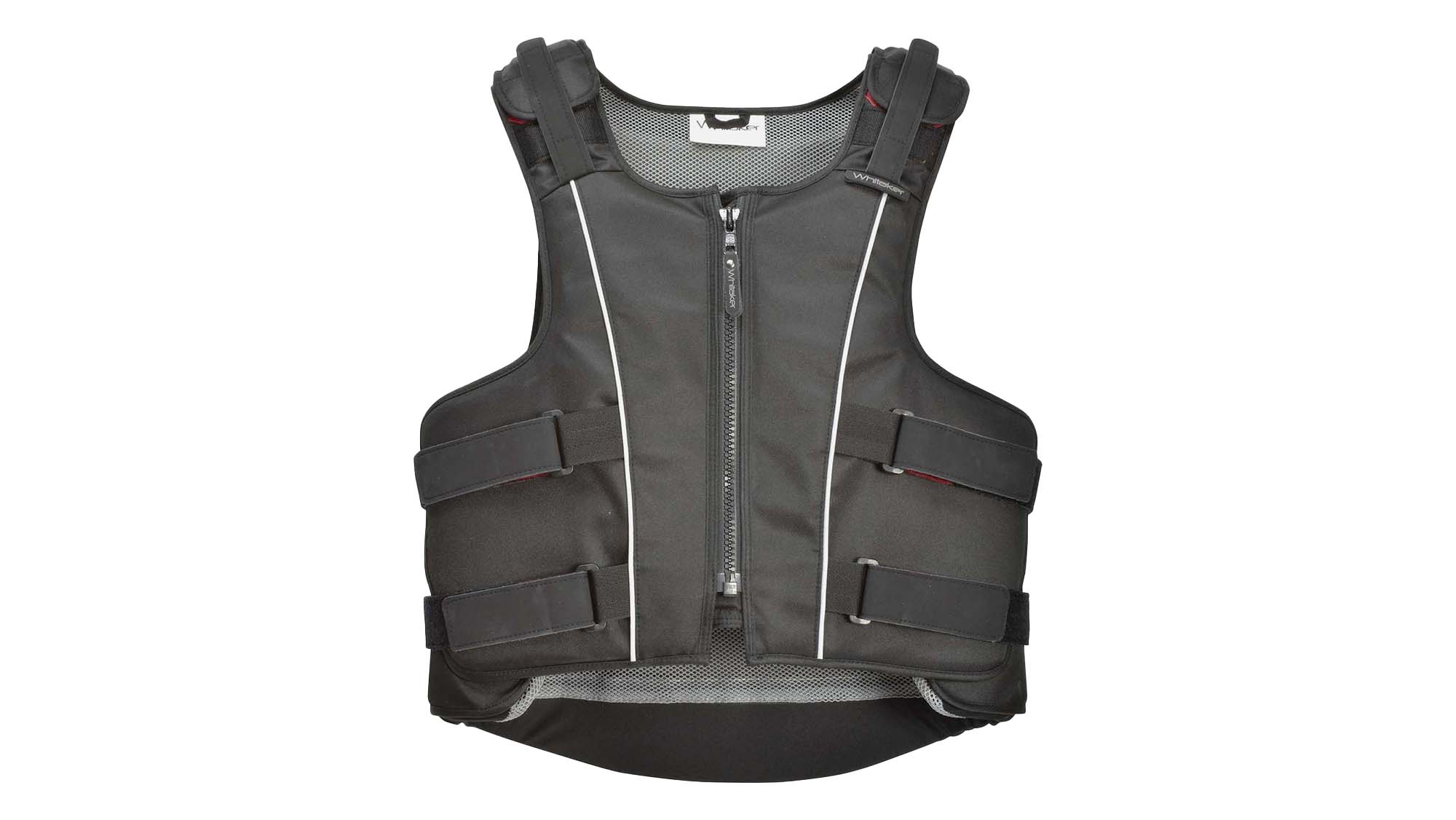
Whitaker Pro Body Protector
Standard: BETA level 3 (2018)
Colours: Black
Sizes: Child XS–L, adult S–L
RRP: £120 (child) or £159.95 (adult)
Reasons to buy: Lower price point
Reasons to avoid: No length variations
This body protector features articulated and anatomically shaped panels that conform to the body thanks to your body heat. It has shoulder and waist straps that offer adjustability with an easy-to-use method, and fastens at the front with a zip.
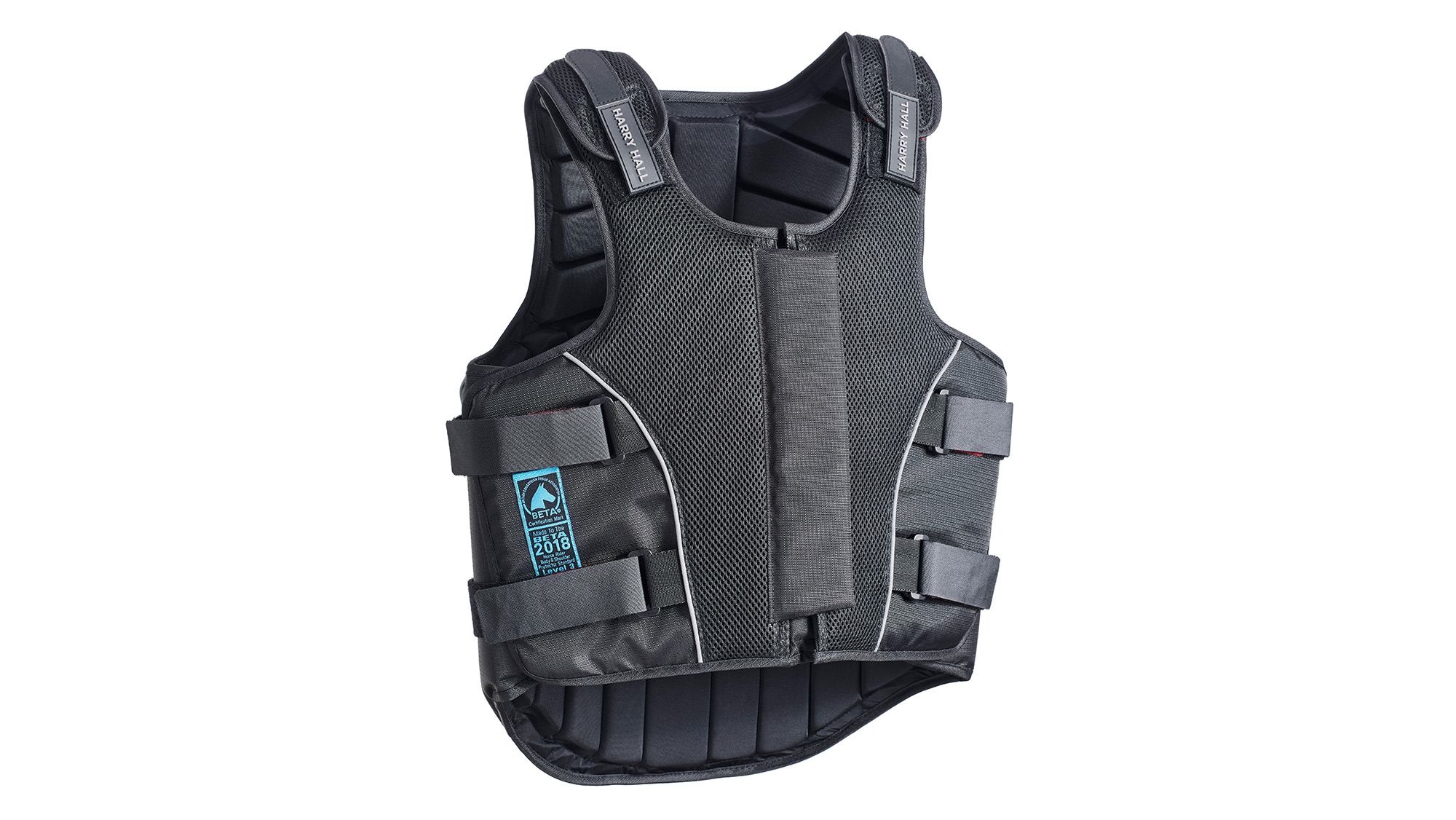
Harry Hall Legend Body Protector
Standard: BETA level 3 (2018)
Colours: Black
Sizes: Child XS–L, adult XS–L
RRP: £114.95 (child) or £136.95 (adult)
Reasons to buy: Unisex fit, breathable and reflective piping for added visibility
Reasons to avoid: Not many size variations
This body protector is lightweight, fully adjustable and approved to BETA Level 3 (2018). It has a highly breathable and lightweight air mesh outer and durable rip stop fabric for durability. The reflective piping detailing offers added visibility. Fully adjustable with easy fit dual side straps for a customisable secure fit.
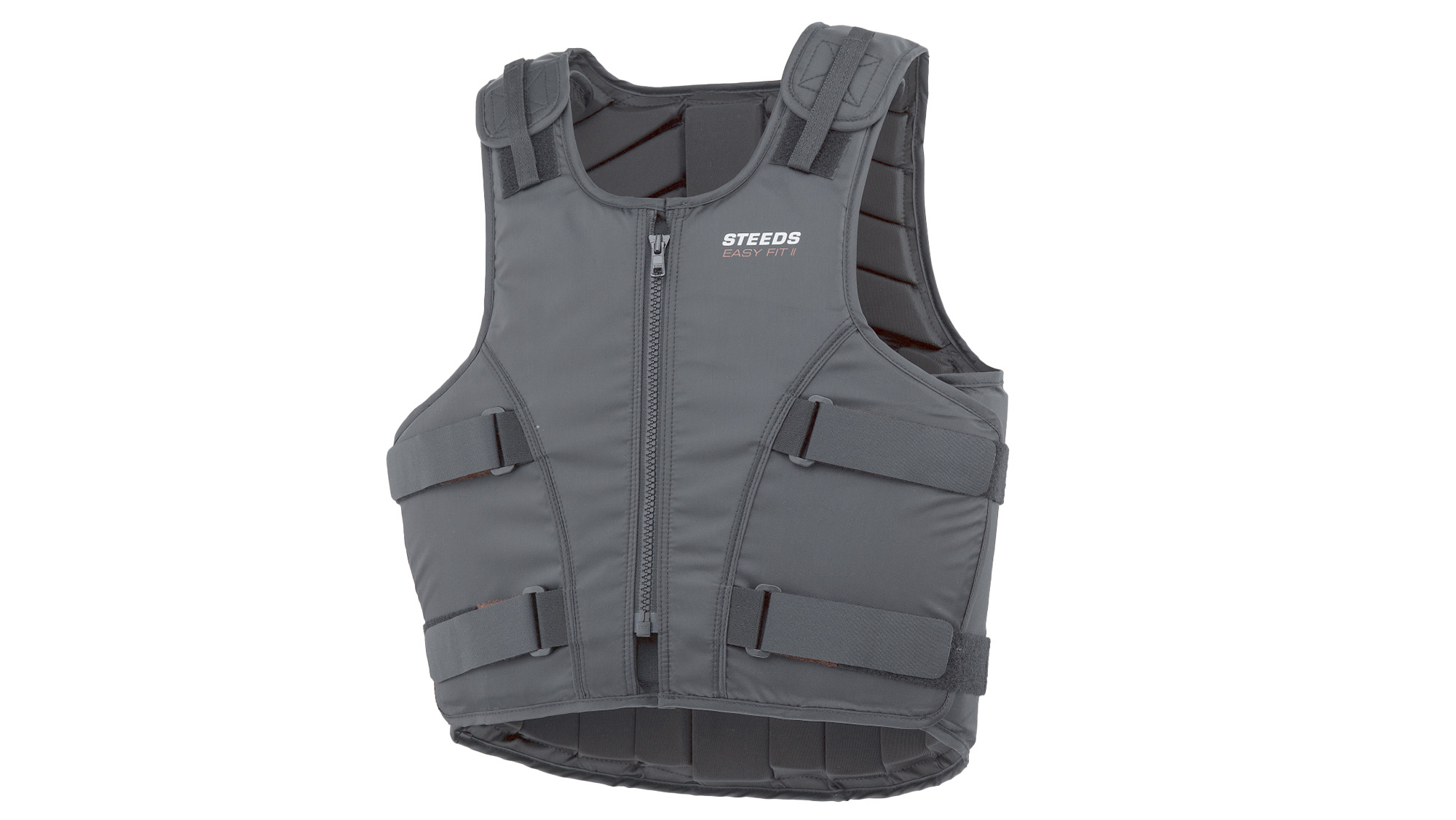
Steeds Easy Fit II Body Protector
Standard: BETA level 3 (2018)
Colours: Black
Sizes: Child XXS–L, adult XS–L
RRP: £119 (child), £139 (adult)
Reasons to buy: Plenty of adjustment for a close fit
Reasons to avoid: No back length size options
This body protector has a front zip fastening for ease of getting on and off and the movable panels offer freedom of movement. With adjustment at the hip and shoulder you can adjust it to fit your individual size.
When do you need to wear a body protector for horse riding?
Body protectors are optional if you’re learning to ride, but many beginner riders feel more confident with one. If you are a competitive rider, however, some governing bodies will require that you wear an up-to-standard body protector. They are compulsory to wear if you’re eventing at any level, competing in working hunter or working hunter pony classes under BSPS rules, and for some Pony Club disciplines.
What standard do body protectors need to be?
There are three levels of protection and, of these, the BETA Level 3 (2018) body protector standard offers the highest level. All of the body protectors we’ve featured in this guide meet this standard and are accepted by all major organisations.

There were two versions of this BETA standard – 2009 (purple label) and 2018 (blue label). They have the same level of protection, but the 2009 version ceased manufacturing in 2018. Although unlikely, you may still find these purple-labelled body protectors in stores and online, governing bodies and rider organisations, including The Pony Club and British Eventing, stopped accepting the purple label at the end of 2023, so make sure to check if your existing body protector needs an upgrade.
If you are looking to buy a new body protector, we recommend you check that it meets the 2018 version of the standard to ensure you’re able to wear it in the future, so look out for the blue label. Some products will look exactly the same and have the same name – it’s only the label that’s different.
If your sport’s governing body – such as The Pony Club, British Eventing, British Riding Clubs, or BSPS – requires a body protector, this is the version you’ll need.
How long do body protectors last?
You should replace your body protector at least every three to five years – after this time the impact absorption properties of the foam may have started to decline. If you have a heavy fall, check your body protector for dents immediately. The foam will return to its original shape within half an hour but a dent would suggest that this part of the body protector will have lot some absorption properties and you should, therefore, replace it.
Taking good care of your body protector means that it may last longer within the three to five year recommended lifespan, if it is not damaged in a fall.
How to care for a body protector
You can extend the lifespan of your body protector by:
- Cleaning it with a sponge and warm, soapy water
- Storing it in a dry, warm space, avoiding excessive heat
- Avoiding keeping it in the car as direct sunlight, excessive heat and damp will cause the fabric and foam to deteriorate more quickly
- Hanging it up to maintain shape
- Closing fastenings when not in use to prevent hair and dirt clogging them up
Body protectors vs back protectors for horse riding
Body protectors and back protectors are easily confused. Although they appear alike, their functions differ significantly.
A body protector is the stronger option, offering comprehensive protection for your torso. It is designed to shield your back, chest, ribs, and internal organs from injury in case of a fall or kick. Some riders also choose to pair a body protector with one of the best air jackets for added protection.
In contrast, a back protector focuses solely on safeguarding your spine and lower back, offering no protection to other parts of the torso. To make the right purchase for your riding needs, learn more about the difference between body protectors vs back protectors.
Do I need to get a body protector fitted by a professional?
Wearing the correct safety gear every time you ride is one of the most effective ways to reduce your risk of injury, as there is no one-size-fits-all solution. A poorly fitted body protector cannot do its job properly, so we highly recommend taking advantage of professional fitting services, often offered at tack shops.
We recommend having your body protector or back protector fitted by a BETA-trained retailer.
- For unlimited access to the latest product news, buying guides and reviews, subscribe to the Horse & Hound website
You might also like:

13 body protectors for children that are up to Pony Club and riding school standards
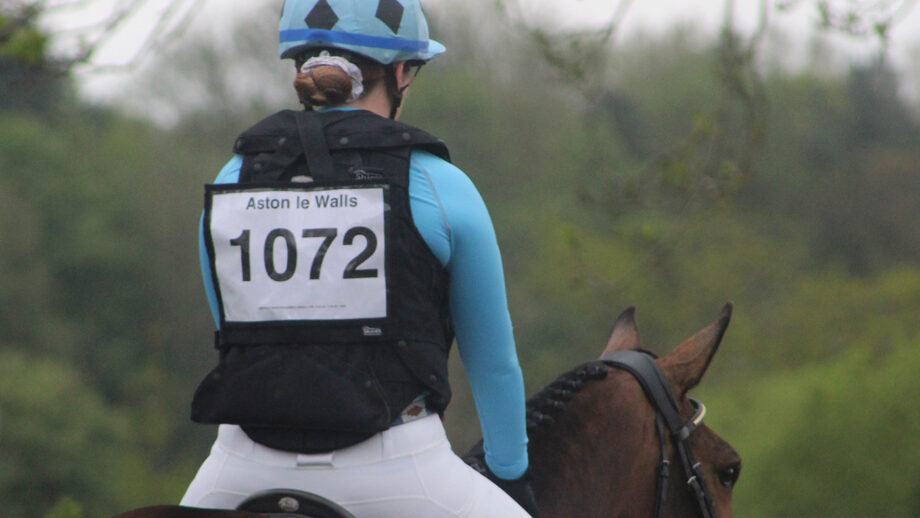
Air jackets vs body protectors: what’s the difference, and which should you wear?
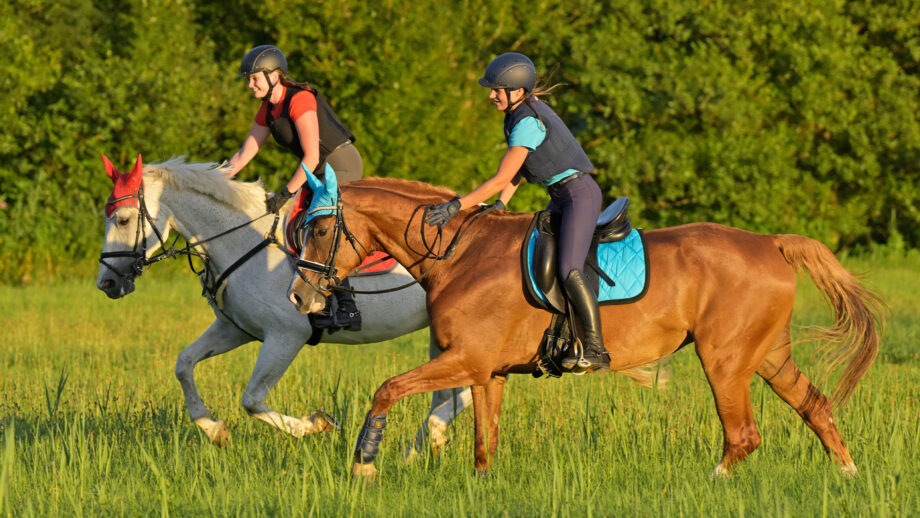
Body protectors vs back protectors: what’s the difference – and which one do you need?
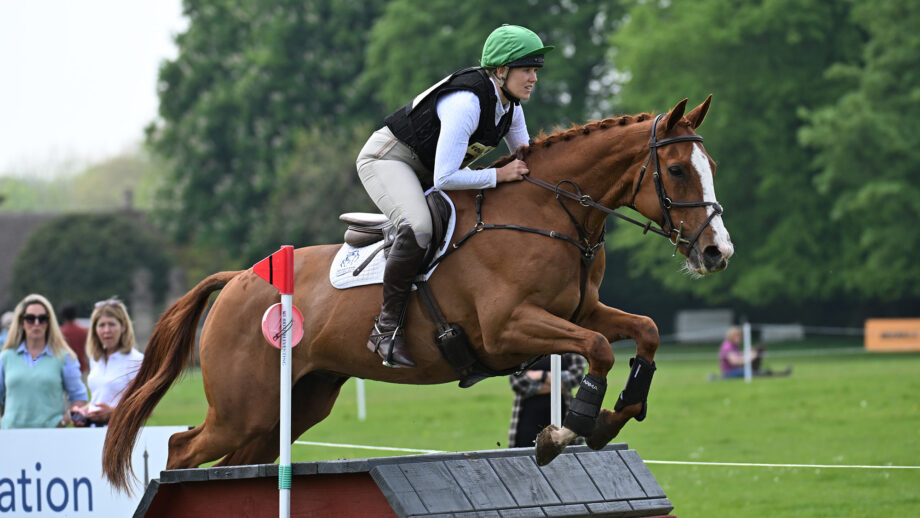
Everything you need to know about body protector standards – and what’s accepted for your discipline
Subscribe to Horse & Hound magazine today – and enjoy unlimited website access all year round