Curious horse failed dope test after sharing groom’s ‘tea’
A recent FEI Tribunal case is a reminder to equestrians of the risk of accidental contamination

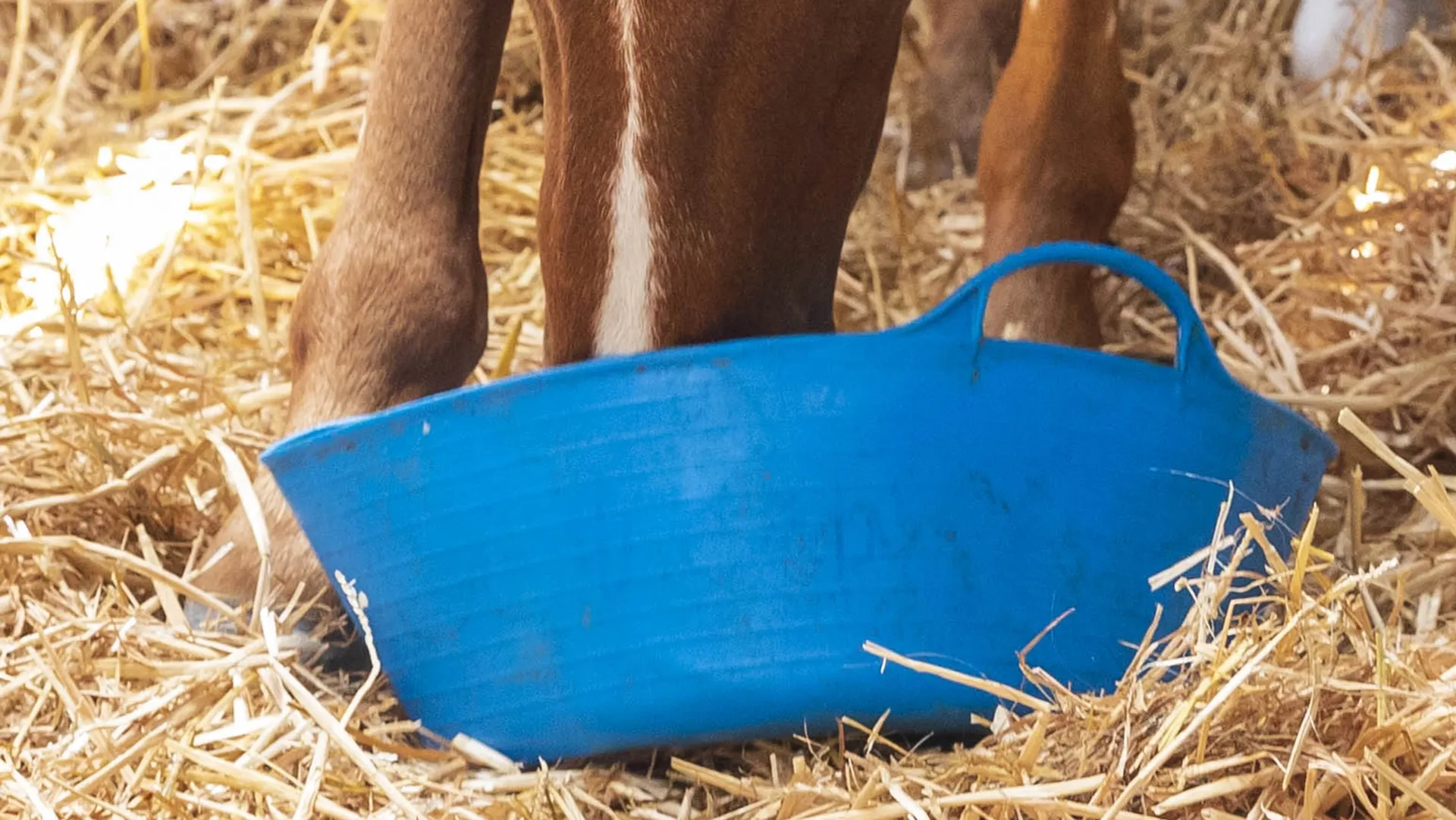
The case of a curious horse who failed a drug test after his groom shared a drink with him is a reminder to equestrians of contamination risks posed by everyday items.
Gladiador VV, an 11-year-old gelding, tested positive for caffeine, theophylline and paraxanthine at an endurance competition at Punta del Este in Uruguay in November 2025. He was there with the aim of qualifying for the endurance World Championships but was disqualified owing to the failed test. The FEI Tribunal released its decision on the case on 13 October.
All three substances are classed as controlled medications, which means they have a place in veterinary medicine, but may not be in a horse’s system during a competition. Caffeine is a stimulant and theophylline makes breathing easier, and they can be direct metabolites of each other. Paraxanthine is a mental stimulant and can also be a metabolite of caffeine.
The horse’s rider, Sofía Fernández, proposed that accidental contamination by yerba mate – an everyday, natural drink made by brewing dried leaves and stems of a type of holly with hot or cold water – was “the most plausible explanation”.
Ms Fernández said that the substances detected and their metabolic profile were consistent with those found in plants, and pointed to yerba mate which contains caffeine and small amounts of theophylline.
She said yerba mate is a common drink and was regularly consumed by the groom who looked after the horse. She suggested that it was stored and handled near the stabling area so there could have been accidental contamination of feed, water or equipment.
A statement from the groom, who has apologised to the rider, said he would feed the horses in their paddocks at the end of the day and stay until they finished eating. He added that the horse was curious and would approach him while he drank, and lick the yerba mate.
Never miss out on the latest happenings in the equestrian world
“On some occasions he deliberately put used yerba mate in the horse’s feed trough, as a reward and to occupy the horse after feeding, because the horse appeared to enjoy it,” added the statement.
The groom estimated that he probably gave the horse a handful of yerba mate about seven times in the month leading up to the competition, including twice the week before, as a reward after training.
“The FEI consulted with their FEI’s pharmacokinetic expert, Dr Stuart Paine, and he confirmed that ‘the observed results are plausible from the administration of yerba mate a few days before the sample was taken’,” states the Tribunal report.
The FEI noted that yerba mate is a “recognised cultural practice in Uruguay and an everyday natural drink”, adding that it “carries no labelling warnings that would normally prompt the [person responsible – Ms Fernández] or groom to check for prohibited substances”.
The FEI’s submission continued that the groom’s decision to feed used yerba mate to the horse “was unexpected”, but that he “admitted his error proactively and transparently”.
“He was deeply apologetic, fully cooperative, and unaware of the potential doping consequences,” stated the FEI, adding that “the facts show no intention to enhance performance or to deliberately administer a controlled medication”.
The Tribunal ruled that the rider “bore no significant fault or negligence”. She was suspended for three months, back-dated to July 2026, and fined 3,000CHF (£2,730).
Following the outcome of the tribunal, International Grooms Association executive director Lucy Katan told H&H: “Cases like this remind us that contamination can happen to anyone around a competition horse. A drink left in the wrong place or a supplement with unclear ingredients can put results and reputations at risk.
“Grooms are on the front line of horse care, making practical anti-doping education essential. That’s why the IGA, in partnership with the FEI, developed International Groom Clean (IGC).
“IGC helps equestrians understand the consequences of unwitting mistakes and how to prevent accidental contamination.”
- To stay up to date with the latest equestrian news, subscribe to the Horse & Hound website

Lucy is an experienced news journalist, reporter and presenter. Since joining the Horse & Hound team in 2015, Lucy has reported from major global sporting events including the Tokyo Paralympic Games and multiple European Championships, as well as Badminton, Burghley and London, to name a few. She has covered current affairs and sports news across the full spectrum of equestrian disciplines and racing, as well as human and equine welfare, industry news and court cases.