In this guide for H&H subscribers, FEI judge Stephen Clarke and four-time Olympic medallist Carl Hester explain why the walk is so often where dressage tests are won or lost – and what riders can do to improve their marks
Back when I was training, I can’t remember ever spending much time on how to ride the free walk on a long rein. It was one of those movements where you get to the test, throw the reins forward, mumble a quick prayer that no one slams a car boot or drops a coffee, and hope for the best. Sometimes, on a trickier horse, it was a brief pause to think about how I’d disgraced myself in the previous movements, casting apologetic glances at the judges.
And I don’t think I was alone. Even at the top levels of dressage , you see horses scoring eights and nines for their trot and canter, then plummeting down to sixes for the walk.
But it doesn’t have to be that way. The walk is the pace that reveals more about a horse’s training than almost any other. It’s the first to go if there’s tension in the back, and in most tests it carries a coefficient – meaning a low score hurts more than other movements.
Get it right, and you score handsomely. Get it wrong, and there’s nowhere to hide.
Why the walk matters more than you think
The walk isn’t just one movement in a dressage test – it runs through the whole horse’s training picture. As FEI judge Stephen Clarke puts it: “The extended walk is the tell-tale movement, because you see whether the horse is truly relaxed and supple, obedient and confident.”
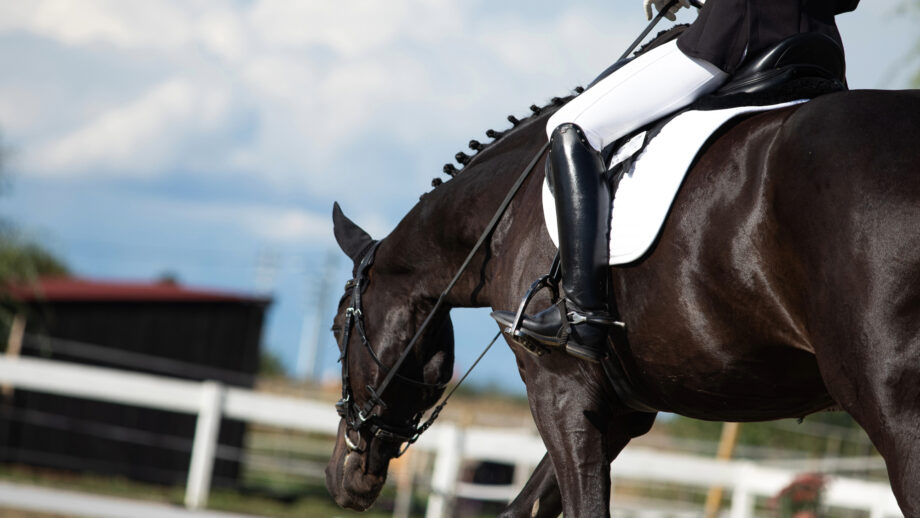
A correct walk shows a regular, four-beat rhythm with the hindleg stepping clearly under the body – the foundation that every other gait builds on. Credit: Andrew Sydenham
He’s particularly emphatic about how revealing the free walk is: “It is a good safeguard – it makes sure that riders and trainers always look after that freedom of movement. As the horse reaches the higher levels, there is such an emphasis on collection that, sometimes, freedom is lost.”
In other words, free walk isn’t a break from the real training – it’s the test of whether the training is honest or not.
How to ride free walk: what the judge wants to see
In the free walk on a long rein, the judge is looking for:
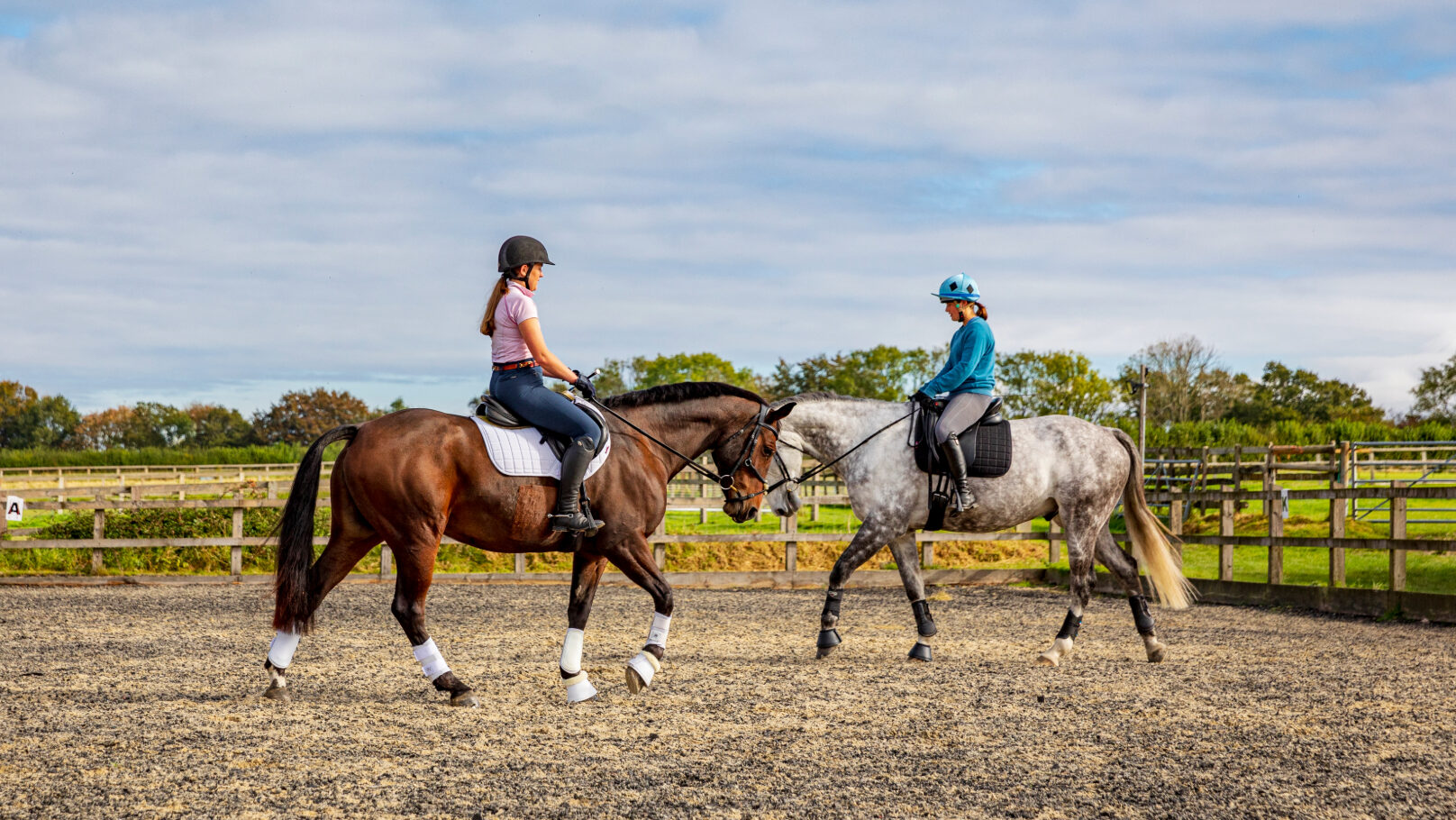
{"content":"PC9wPgoKPHVsPgo8bGk+QSBob3JzZSBzZWVraW5nIHRoZSBjb250YWN0IGZvcndhcmQgYW5kIGRvd24sIHdpdGggdGhlIHJpZGVyIGFsbG93aW5nIHRoZSByZWluPC9saT4KPGxpPkxvbmcsIGZyZWUsIHB1cnBvc2VmdWwgc3RyaWRlcyDigJMgbm90IHNsb3csIGxhenkgb25lczwvbGk+CjxsaT5BIHJlZ3VsYXIsIGZvdXItYmVhdCByaHl0aG0gd2l0aCBjbGVhciBvdmVydHJhY2s8L2xpPgo8bGk+QSByZWxheGVkLCBzdXBwbGUgYmFjaywgd2l0aCB0aGUgaG9yc2UgbGVuZ3RoZW5pbmcgdGhlIGZyYW1lIG5hdHVyYWxseTwvbGk+CjxsaT5MaWdodCBjb250YWN0IG1haW50YWluZWQgdGhyb3VnaG91dCDigJMgdGhlIHJlaW4gbGVuZ3RoZW5zLCBidXQgZG9lc27igJl0IGRpc2FwcGVhcjwvbGk+CjxsaT5BIHNtb290aCwgYmFsYW5jZWQgcmV0dXJuIHRvIGEgbWVkaXVtIHdhbGsgYmVmb3JlIHRoZSBuZXh0IG1vdmVtZW50PC9saT4KPC91bD4KPHA+QXMgU3RlcGhlbiBleHBsYWlucywgdGhlIHNjb3JlIHJlZmxlY3RzIOKAnHRoZSByZWd1bGFyaXR5IG9mIHRoZSBmb3VyIGZvb3RmYWxscywgYXMgd2VsbCBhcyBhbGwgb2YgdGhlIHF1YWxpdGllcyBkZXNjcmliZWQgaW4gYnJhY2tldHMgd2l0aGluIGVhY2ggb2YgdGhlIGNvbGxlY3RpdmUgbWFya3M6IHJoeXRobSwgc3VwcGxlbmVzcywgY29udGFjdCBhbmQgY28tb3BlcmF0aW9uLuKAnTwvcD4KCjxoMj5XaGVyZSBmcmVlIHdhbGsgZ29lcyB3cm9uZzwvaDI+CjxwPk1vc3QgcmlkZXJzLCB3aGVuIHRoZXkgcmVhY2ggdGhlIGRpYWdvbmFsIGZvciBmcmVlIHdhbGssIGRvIG9uZSBvZiB0d28gdGhpbmdzOiB0aGV5IGRyb3AgdGhlIGNvbnRhY3QgZW50aXJlbHkgYW5kIGxvc2UgYWxsIGluZmx1ZW5jZSBvbiB0aGUgaG9yc2UsIG9yIHRoZXkgaG9sZCBvbiBhbmQgbmV2ZXIgbGV0IHRoZSBob3JzZSBnZW51aW5lbHkgc3RyZXRjaCBkb3duLjwvcD4KPHA+TmVpdGhlciBhcHByb2FjaCBwcm9kdWNlcyB3aGF0IHRoZSBqdWRnZSB3YW50cyB0byBzZWUuPC9wPgo8cD5TdGVwaGVuIHNlZXMgdGhlIHBhdHRlcm4gcmVwZWF0ZWRseTog4oCcT2Z0ZW4gaXQgaXMgdGhlIGV4dGVuc2lvbiBhbmQgY29sbGVjdGlvbiB3aGljaCBjYXVzZSB0aGUgcHJvYmxlbS4gUmlkZXJzIHNvbWV0aW1lcyBmYWxsIGludG8gdGhlIHRyYXAgb2YgcmVzdHJpY3RpbmcgdGhlIGhvcnNlIHdpdGggdGhlIHJlaW5zIHRvIGNvbGxlY3QsIHdoaWNoIGNvbnN0cmFpbnMgdGhlIG5lY2sgYW5kIHN0aWZmZW5zIHRoZSBiYWNrLCB0aGVyZWJ5IGxpbWl0aW5nIHRoZSBzdGVwcy4gVGhpcyB3aWxsIGhhdmUgYSBkYW1hZ2luZyBlZmZlY3Qgb24gdGhlIHJlZ3VsYXJpdHkgb2YgdGhlIGZvdXIgYmVhdHMuIEF0IHdvcnN0LCB0aGlzIGVuZHMgdXAgYXMgYWxtb3N0IGEgdHdvLWJlYXQgbW92ZW1lbnQsIHdoZXJlIHRoZSBob3JzZSBtb3ZlcyBoaXMgbGltYnMgaW4gbGF0ZXJhbCBwYWlycy7igJ08L3A+CjxwPkEgbGF0ZXJhbCB3YWxrIOKAkyB3aGVyZSB0aGUgbGVncyBvbiB0aGUgc2FtZSBzaWRlIG1vdmUgdG9nZXRoZXIgcmF0aGVyIHRoYW4gaW4gdHJ1ZSBmb3VyLXRpbWUgYmVhdCDigJMgaXMgb25lIG9mIHRoZSBtb3N0IGRhbWFnaW5nIGZhdWx0cyBhIGRyZXNzYWdlIGhvcnNlIGNhbiBkZXZlbG9wLiBBbmQgb25jZSBpdCBhcHBlYXJzLCBpdOKAmXMgYSBzaWduIHRoYXQgc29tZXRoaW5nIGluIHRoZSB0cmFpbmluZyBoYXMgZ29uZSB3cm9uZy48L3A+CjxoMz5TdHJldGNoIHdpdGhvdXQgbG9zaW5nIHRoZSBjb250YWN0PC9oMz4KPHA+VGhlIHRlY2huaWNhbCBoZWFydCBvZiBmcmVlIHdhbGsgaXMgYWxsb3dpbmcgdGhlIGhvcnNlIHRvIGxvd2VyIGFuZCBsZW5ndGhlbiB0aGUgbmVjayB3aGlsZSBtYWludGFpbmluZyBhIGxpZ2h0LCBlbGFzdGljIGNvbnRhY3QgdGhyb3VnaCB0aGUgcmVpbi4gVGhlIHJlaW5zIGxlbmd0aGVuIOKAkyB0aGV5IGFyZW7igJl0IGRyb3BwZWQuPC9wPgo8cD48YSBocmVmPSJodHRwczovL3d3dy5ob3JzZWFuZGhvdW5kLmNvLnVrL3RhZy9jYXJsLWhlc3RlciI+Q2FybCBIZXN0ZXI8L2E+IHB1dHMgaXQgc2ltcGx5OiDigJxUaGUgdXNlIG9mIHRoZSBoZWFkIGFuZCBuZWNrIGlzIHNvIGltcG9ydGFudCBpbiB3YWxrLiBJdCBzaG91bGQgYmUgbGlrZSBhIHJvd2luZyBtb3Rpb24uIFRoZSBob3JzZSBoYXMgdG8gdGFrZSB5b3VyIGhhbmQgZm9yd2FyZCBhbmQgbm90IGZpZGRsZSBhbmQgZ2V0IGJlaGluZCB0aGUgdmVydGljYWwu4oCdPC9wPgo8cD5UaGF0IOKAnHJvd2luZyBtb3Rpb27igJ0gaXMgYSB1c2VmdWwgaW1hZ2UgdG8gaG9sZCBvbnRvLiBUaGUgaG9yc2UgaXMgYWN0aXZlbHkgc2Vla2luZyB0aGUgYml0IGZvcndhcmQgYW5kIGRvd24sIGFuZCB0aGUgcmlkZXIgaXMgYWxsb3dpbmcgdGhhdCBtb3ZlbWVudCB3aXRob3V0IGxvc2luZyB0aGUgY29ubmVjdGlvbi4gSWYgdGhlIGhvcnNlIGN1cmxzIGJlaGluZCB0aGUgdmVydGljYWwsIHRoZSBzdHJldGNoIGlzbuKAmXQgaG9uZXN0LiBJZiB0aGUgcmlkZXIgaG9sZHMgdGhlIHJlaW4gdG9vIHNob3J0LCB0aGUgc3RyZXRjaCBjYW7igJl0IGhhcHBlbiBhdCBhbGwuIElmIHRoZSByaWRlciBkcm9wcyB0aGUgcmVpbnMsIHRoZSBjb250YWN0IGlzIGxvc3QuPC9wPgo8aDM+U2xvd2VyIGlzIHVzdWFsbHkgYmV0dGVyPC9oMz4KPHA+QSBjb21tb24gbWlzdGFrZSDigJMgcGFydGljdWxhcmx5IGluIHRlc3RzIOKAkyBpcyBmb3IgcmlkZXJzIHRvIHB1c2ggdGhlIHdhbGsgZm9yd2FyZCwgZHJpdmluZyB3aXRoIHRoZSBzZWF0IGluIHRoZSBob3BlIG9mIGxvb2tpbmcgaW1wcmVzc2l2ZS4g4oCcV2hlbiB5b3Ugd2FsaywgbWFrZSBpdCBhIHNsb3cgd2FsayzigJ0gQ2FybCBzYXlzLiDigJxUaGUgcXVpY2tlciBpdCBnb2VzLCB0aGUgc21hbGxlciB0aGUgb3ZlcnRyYWNrLuKAnTwvcD4KPHA+VGhlIG1hdGhlbWF0aWNzIG9mIHRoZSB3YWxrIGFyZSBhIGxpdHRsZSBjb3VudGVyLWludHVpdGl2ZS4gQSBob3JzZSB0aGF0IGh1cnJpZXMgd2lsbCBzaG9ydGVuIGhpcyBzdHJpZGU7IGEgaG9yc2UgdGhhdCB0YWtlcyBoaXMgdGltZSB3aWxsIGxlbmd0aGVuIGl0LjwvcD4KPHA+Q2FybCBhZGRzOiDigJxJZiB3ZSBoYXZlIGEgb25lLWhvb2Ygb3ZlcnRyYWNrLCB0aGUgaG9yc2UgbmVlZHMgdGltZSBvbiB0aGUgZmxvb3Ig4oCTIGhlIGRvZXNu4oCZdCBuZWVkIHRvIGNvbWUgb2ZmIGZhc3QuIEEgb25lLWFuZC1hLWhhbGYgb3ZlcnRyYWNrIGlzIGJldHRlci4gQW5kIGlmIHRoZSBmcm9udCBsZWdzIG1vdmUgdG9vIHF1aWNrbHkgZm9yIHRoZSBoaW5kbGVncyB0byBrZWVwIHVwLCB0aGUgaG9yc2UgaGFzIHRvIGxlYXJuIHRvIHVzZSBoaXMgc2hvdWxkZXIuIFRoZW4gd2Ugd2lsbCBnZXQgY2xvc2VyIHRvIHR3byBob292ZXMgb3ZlcnRyYWNrLuKAnTwvcD4KPGgyPkhvdyB0byBwcmFjdGlzZSB0aGUgZnJlZSB3YWxrIGF0IGhvbWU8L2gyPgo8cD5XZSBhbGwga25vdyB0aGlzLCByZWFsbHksIGJ1dCB0aGUgZnJlZSB3YWxrIDxlbT5zaG91bGRu4oCZdCBvbmx5IGJlIHJpZGRlbiBkdXJpbmcgZHJlc3NhZ2UgdGVzdHM8L2VtPi4gU3RlcGhlbiBlbXBoYXNpc2VzIHRoYXQgdGhlIHdhbGsgbmVlZHMgd29yayBldmVyeSB0aW1lIHlvdeKAmXJlIGluIHRoYXQgcGFjZTog4oCcV2hlbmV2ZXIgeW91IGdpdmUgdGhlIGhvcnNlIGEgcGVyaW9kIG9mIHJlc3QgYmV0d2VlbiBtb3ZlbWVudHMsIGJlIGF3YXJlIG9mIHdoYXTigJlzIGdvaW5nIG9uIHVuZGVybmVhdGggeW91LiBZb3Ugc2hvdWxkIGZlZWwgdGhlIHJoeXRobSBhbmQgc3dpbmcgaW4gdGhlIGJhY2sg4oCTIGFuZCBzaG91bGQgYmUgaW5mbHVlbmNpbmcgdGhlIHdhbGssIGFsd2F5cy7igJ08L3A+CjxwPlRyeSBpbmNvcnBvcmF0aW5nIHRoZXNlIHRocmVlIHByYWN0aWNhbCBleGVyY2lzZXMgaW50byB5b3VyIHNjaG9vbGluZyB0byBoZWxwIDxhIGhyZWY9Imh0dHBzOi8vd3d3LmhvcnNlYW5kaG91bmQuY28udWsvZmVhdHVyZXMvaG93LXRvLWltcHJvdmUtdGhlLXdhbGstNjE2MDI1Ij5pbXByb3ZlIHlvdXIgd2FsazwvYT46PC9wPgo8aDM+MS4gSW1wcm92aW5nIG92ZXJ0cmFjayB3aXRoIGxlZy15aWVsZCBpbiB3YWxrPC9oMz4KPHA+QSBzaGFsbG93IGFuZ2xlIG9mIDxhIGhyZWY9Imh0dHBzOi8vd3d3LmhvcnNlYW5kaG91bmQuY28udWsvZmVhdHVyZXMvaG93LXRvLXJpZGUtbGVnLXlpZWxkLXBlcmZlY3RseS01MzQxMzMiPmxlZy15aWVsZDwvYT4gb24gYSBjaXJjbGUgb3Igc3RyYWlnaHQgbGluZSBjYW4gZW5jb3VyYWdlIGEgbG9uZ2VyIHN0cmlkZS4gRmVlbCBkb3duIHRoZSBpbnNpZGUgcmVpbiBmb3IgYSBzbGlnaHQgYmVuZCBhbmQgYXNrIHRoZSBob3JzZSB0byBtb3ZlIGF3YXkgZnJvbSB5b3VyIGluc2lkZSBsZWcuIFRoZSBwYWNlIGJlY29tZXMgbW9yZSByZWxheGVkLCBhbmQgdGhlIG92ZXJ0cmFjayB3aWxsIGltcHJvdmUuPC9wPgo8ZGl2IGlkPSJhdHRhY2htZW50XzkyNjEyNyIgc3R5bGU9IndpZHRoOiAyMDEwcHgiIGNsYXNzPSJ3cC1jYXB0aW9uIGFsaWdubm9uZSI+PGltZyBmZXRjaHByaW9yaXR5PSJoaWdoIiBkZWNvZGluZz0iYXN5bmMiIGFyaWEtZGVzY3JpYmVkYnk9ImNhcHRpb24tYXR0YWNobWVudC05MjYxMjciIGNsYXNzPSJsYXp5bG9hZCBibHVyLXVwIHNpemUtZnVsbCB3cC1pbWFnZS05MjYxMjciIGRhdGEtcHJvY2Vzc2VkIHNyYz0iaHR0cHM6Ly9rZXlhc3NldHMudGltZWluY3VrLm5ldC9pbnNwaXJld3AvbGl2ZS93cC1jb250ZW50L3VwbG9hZHMvc2l0ZXMvMTQvMjAxNy8wMy9uZXctaGgtcGxhY2Vob2xkZXItMjAweDIwMC5wbmciIGRhdGEtc3JjPSJodHRwczovL2tleWFzc2V0cy50aW1laW5jdWsubmV0L2luc3BpcmV3cC9saXZlL3dwLWNvbnRlbnQvdXBsb2Fkcy9zaXRlcy8xNC8yMDI2LzA2L0FyZW5hX1dpZGVfQW5nbGVfNFIyQTYxODItMS5qcGciIGFsdD0iUmlkZXIgcHJhY3Rpc2luZyB3YWxrIG9uIGEgY2lyY2xlIHdpdGggYSBzbGlnaHQgaW5zaWRlIGJlbmQgdG8gZW5jb3VyYWdlIHN1cHBsZW5lc3MgYW5kIHN0cmV0Y2ggaW50byB0aGUgY29udGFjdCIgd2lkdGg9IjIwMDAiIGhlaWdodD0iMTEyNiIgZGF0YS1zaXplcz0iYXV0byIgZGF0YS1zcmNzZXQ9Imh0dHBzOi8va2V5YXNzZXRzLnRpbWVpbmN1ay5uZXQvaW5zcGlyZXdwL2xpdmUvd3AtY29udGVudC91cGxvYWRzL3NpdGVzLzE0LzIwMjYvMDYvQXJlbmFfV2lkZV9BbmdsZV80UjJBNjE4Mi0xLmpwZyAyMDAwdywgaHR0cHM6Ly9rZXlhc3NldHMudGltZWluY3VrLm5ldC9pbnNwaXJld3AvbGl2ZS93cC1jb250ZW50L3VwbG9hZHMvc2l0ZXMvMTQvMjAyNi8wNi9BcmVuYV9XaWRlX0FuZ2xlXzRSMkE2MTgyLTEtMzAweDE2OS5qcGcgMzAwdywgaHR0cHM6Ly9rZXlhc3NldHMudGltZWluY3VrLm5ldC9pbnNwaXJld3AvbGl2ZS93cC1jb250ZW50L3VwbG9hZHMvc2l0ZXMvMTQvMjAyNi8wNi9BcmVuYV9XaWRlX0FuZ2xlXzRSMkE2MTgyLTEtNjMweDM1NS5qcGcgNjMwdywgaHR0cHM6Ly9rZXlhc3NldHMudGltZWluY3VrLm5ldC9pbnNwaXJld3AvbGl2ZS93cC1jb250ZW50L3VwbG9hZHMvc2l0ZXMvMTQvMjAyNi8wNi9BcmVuYV9XaWRlX0FuZ2xlXzRSMkE2MTgyLTEtMTM1eDc2LmpwZyAxMzV3LCBodHRwczovL2tleWFzc2V0cy50aW1laW5jdWsubmV0L2luc3BpcmV3cC9saXZlL3dwLWNvbnRlbnQvdXBsb2Fkcy9zaXRlcy8xNC8yMDI2LzA2L0FyZW5hX1dpZGVfQW5nbGVfNFIyQTYxODItMS0xNTM2eDg2NS5qcGcgMTUzNncsIGh0dHBzOi8va2V5YXNzZXRzLnRpbWVpbmN1ay5uZXQvaW5zcGlyZXdwL2xpdmUvd3AtY29udGVudC91cGxvYWRzL3NpdGVzLzE0LzIwMjYvMDYvQXJlbmFfV2lkZV9BbmdsZV80UjJBNjE4Mi0xLTMyMHgxODAuanBnIDMyMHcsIGh0dHBzOi8va2V5YXNzZXRzLnRpbWVpbmN1ay5uZXQvaW5zcGlyZXdwL2xpdmUvd3AtY29udGVudC91cGxvYWRzL3NpdGVzLzE0LzIwMjYvMDYvQXJlbmFfV2lkZV9BbmdsZV80UjJBNjE4Mi0xLTYyMHgzNDkuanBnIDYyMHcsIGh0dHBzOi8va2V5YXNzZXRzLnRpbWVpbmN1ay5uZXQvaW5zcGlyZXdwL2xpdmUvd3AtY29udGVudC91cGxvYWRzL3NpdGVzLzE0LzIwMjYvMDYvQXJlbmFfV2lkZV9BbmdsZV80UjJBNjE4Mi0xLTkyMHg1MTguanBnIDkyMHcsIGh0dHBzOi8va2V5YXNzZXRzLnRpbWVpbmN1ay5uZXQvaW5zcGlyZXdwL2xpdmUvd3AtY29udGVudC91cGxvYWRzL3NpdGVzLzE0LzIwMjYvMDYvQXJlbmFfV2lkZV9BbmdsZV80UjJBNjE4Mi0xLTEyMjB4Njg3LmpwZyAxMjIwdywgaHR0cHM6Ly9rZXlhc3NldHMudGltZWluY3VrLm5ldC9pbnNwaXJld3AvbGl2ZS93cC1jb250ZW50L3VwbG9hZHMvc2l0ZXMvMTQvMjAyNi8wNi9BcmVuYV9XaWRlX0FuZ2xlXzRSMkE2MTgyLTEtMTYyMHg5MTIuanBnIDE2MjB3LCBodHRwczovL2tleWFzc2V0cy50aW1laW5jdWsubmV0L2luc3BpcmV3cC9saXZlL3dwLWNvbnRlbnQvdXBsb2Fkcy9zaXRlcy8xNC8yMDI2LzA2L0FyZW5hX1dpZGVfQW5nbGVfNFIyQTYxODItMS0xOTIweDEwODEuanBnIDE5MjB3IiBzaXplcz0iKG1heC13aWR0aDogMjAwMHB4KSAxMDB2dywgMjAwMHB4IiAvPjxwIGlkPSJjYXB0aW9uLWF0dGFjaG1lbnQtOTI2MTI3IiBjbGFzcz0id3AtY2FwdGlvbi10ZXh0Ij5BIHNoYWxsb3cgbGVnLXlpZWxkIG9uIGEgY2lyY2xlIGNhbiBoZWxwIGltcHJvdmUgb3ZlcnRyYWNrIGJ5IGVuY291cmFnaW5nIHRoZSBob3JzZSB0byBzdGVwIGZ1cnRoZXIgYWNyb3NzIHRoZSBib2R5IHdpdGggdGhlIGluc2lkZSBoaW5kbGVnLiBDcmVkaXQ6IEFuZHJldyBTeWRlbmhhbTwvcD48L2Rpdj4KPGgzPjIuIFJpZGluZyB0aGUgZnJlZSB3YWxrIGFzIGl0IGFwcGVhcnMgaW4geW91ciB0ZXN0PC9oMz4KPHA+U2l0IGNlbnRyYWxseSB3aXRoIGxvb3NlIGhpcHMgYW5kIHNvZnQgaGFuZHMuIFNsb3dseSBsZXQgeW91ciBhcm1zIG1vdmUgZm9yd2FyZCB3aGlsZSBtYWludGFpbmluZyBhIHNsaWdodCBpbnNpZGUgYmVuZC4gUHVzaCB0aGUgd2FsayBmb3J3YXJkIGdlbnRseSB3aXRoIGFsdGVybmF0ZSBsZWdzIHVudGlsIHlvdXIgaG9yc2UgaXMgcmVhY2hpbmcgZm9yIHRoZSBiaXQuIFRoZSByZWlucyBsZW5ndGhlbiBwcm9ncmVzc2l2ZWx5LCBub3QgYWxsIGF0IG9uY2UuPC9wPgo8aDM+My4gUHJhY3Rpc2luZyB0aGUgdHJhbnNpdGlvbiBiYWNrPC9oMz4KPHA+U29tZSBob3JzZXMgcHJlZGljdCB0aGUgdXB3YXJkIHRyYW5zaXRpb24gYW5kIGpvZy4gTWFrZSBhIHNlcmllcyBvZiA8YSBocmVmPSJodHRwczovL3d3dy5ob3JzZWFuZGhvdW5kLmNvLnVrL2ZlYXR1cmVzL2hvdy10by1yaWRlLXNxdWFyZS1oYWx0LTY3MjcyOSI+aGFsdDwvYT4gdHJhbnNpdGlvbnMgaW4gd2FsayBkdXJpbmcgdHJhaW5pbmcsIHRoZW4gcmVtaW5kIHlvdXIgaG9yc2UgaW4gdGhlIHRlc3Qgd2l0aCBhIDxhIGhyZWY9Imh0dHBzOi8vd3d3LmhvcnNlYW5kaG91bmQuY28udWsvZHJlc3NhZ2UvdGhlLWhhbGYtaGFsdC0xMC10b3AtdGlwcy0xNTQyMzgiPmhhbGYtaGFsdDwvYT4uIEtlZXAgYSBzb2Z0IGxlZyBjb250YWN0IHRvIHJlYXNzdXJlIGhpbSwgYW5kIGdhdGhlciB0aGUgcmVpbnMgY2FyZWZ1bGx5IOKAkyBrZWVwaW5nIGEgc2xpZ2h0IGluc2lkZSBiZW5kIHRocm91Z2ggdGhlIHRyYW5zaXRpb24uPC9wPgo8aDM+NC4gR2V0IGV5ZXMgb24gdGhlIGdyb3VuZDwvaDM+CjxwPlRoZSB3YWxrIGlzIG9uZSBvZiB0aGUgaGFyZGVzdCBtb3ZlbWVudHMgdG8gYWNjdXJhdGVseSBmZWVsIHdoYXTigJlzIGdvaW5nIG9uIHVuZGVybmVhdGggeW91LiBUaGUgZm9vdGZhbGxzIGFyZSBzbG93ZXIsIHRoZSBvdmVydHJhY2sgY2FuIGJlIGRlY2VwdGl2ZSwgYW5kIHRlbnNpb24gaW4gdGhlIGJhY2sgaXMgZWFzeSB0byBtaXNzIHdoZW4geW914oCZcmUgZm9jdXNlZCBvbiB0aGUgY29udGFjdC4gQSBzZWNvbmQgcGFpciBvZiBleWVzIGNhbiBjb25maXJtIHdoZXRoZXIgdGhlIHJoeXRobSBpcyBnZW51aW5lbHkgZm91ci1iZWF0LCB3aGV0aGVyIHRoZSBvdmVydHJhY2sgbWF0Y2hlcyB3aGF0IHlvdSB0aGluayBpdCBpcywgYW5kIHdoZXRoZXIgdGhlIGhvcnNlIGlzIGhvbmVzdGx5IHN3aW5naW5nIHRocm91Z2ggdGhlIGJhY2suPC9wPgo8cD5JZiB5b3UgZG9u4oCZdCBoYXZlIGEgY29hY2ggYXZhaWxhYmxlLCB2aWRlbyB5b3Vyc2VsZiBhZ2FpbiBhbmQgYWdhaW4g4oCTIGlkZWFsbHkgZnJvbSB0aGUgc2lkZSDigJMgYW5kIGNoZWNrIHRoYXQgeW91ciBzZW5zZSBvZiB3aGF04oCZcyBoYXBwZW5pbmcgYmVsb3cgeW91IG1hdGNoZXMgd2hhdOKAmXMgYWN0dWFsbHkgc2hvd2luZyB1cCBvbiB0aGUgZ3JvdW5kLjwvcD4KPGgyPldoZW4gdGhlIHdhbGsgZ29lcyBiYWQ8L2gyPgo8cD5BbHRob3VnaCB3ZSBvZnRlbiBjb25zaWRlciB0aGUgd2FsayBhIG5hdHVyYWwgcGFjZSwgYSBwb29yIHdhbGsgb2Z0ZW4gaXNu4oCZdCB0aGUgaG9yc2XigJlzIGZhdWx0LjwvcD4KPHA+U3RlcGhlbiBpcyBkaXJlY3Q6IOKAnEEgYmFkIHdhbGsgaXMgdXN1YWxseSBjcmVhdGVkIGJlY2F1c2UgYSByaWRlciBoYXMgYSBkaXN0dXJiaW5nIGluZmx1ZW5jZSBvbiB0aGUgaG9yc2Ug4oCTIGVpdGhlciBhIGJhY2t3YXJkIGluZmx1ZW5jZSBvbiB0aGUgcmVpbnMgb3IgYSBwb29yIHJpZGluZyBwb3NpdGlvbi4gSWYgdGhlIHJpZGVyIGlzIHN0aWZmLCB0aGVuIHRoZSBob3JzZSB3aWxsIGJlIHN0aWZmLuKAnTwvcD4KPHA+VGhlIHdhbGsgaXMgdGhlIGdhaXQgd2hlcmUgcmlkZXIgZmF1bHRzIHNob3cgdXAgZmlyc3QuIEEgdGlnaHQgc2VhdCwgYnVzeSBoYW5kcywgb3IgYSBmaXhlZCBjb250YWN0IHdpbGwgYWxsIGludGVyZmVyZSB3aXRoIHRoZSBuYXR1cmFsIHJoeXRobS4gRXZlbiBzbWFsbCBoYWJpdHMg4oCTIHB1bGxpbmcgb24gdGhlIHJlaW5zIHdoZW4gdGhlIGhvcnNlIGN1cmxzLCBwdXNoaW5nIHRvbyBoYXJkIHdpdGggdGhlIHNlYXQg4oCTIGNhbiBkaXNydXB0IHRoZSBmb3VyLWJlYXQgcGF0dGVybi48L3A+CjxwPlN0ZXBoZW7igJlzIHNvbHV0aW9uIGlzIHBhdGllbmNlOiDigJxJdCBpcyBpbXBvcnRhbnQgbm90IHRvIHRyeSB0byBjb2xsZWN0IHRoZSBob3JzZSB0b28gZWFybHkuIENvbGxlY3Rpb24gZGV2ZWxvcHMgbmF0dXJhbGx5LiBXYWl0IGZvciB0aGUgaG9yc2UuIEl0IGlzIHRoZSBneW1uYXN0aWMgdHJhaW5pbmcgd2hpY2ggbWFrZXMgdGhlIGhvcnNlIHN0cm9uZyBlbm91Z2ggdG8gY29sbGVjdCB3aXRoaW4gYWxsIHRoZSBwYWNlcy7igJ08L3A+CjxoMj5Db21tb24gbWlzdGFrZXMgYW5kIGZpeGVzPC9oMj4KPHA+PHN0cm9uZz4xLiBZb3VyIGhvcnNlIGpvZ3MgaW50byB0aGUgZnJlZSB3YWxrPC9zdHJvbmc+PC9wPgo8cD5GaXg6IFVzZSBzbWFsbCBoYWxmLWhhbHRzIGJlZm9yZSB0aGUgZGlhZ29uYWwgdG8gc2V0dGxlIHRoZSBob3JzZSwgdGhlbiBhbGxvdyB0aGUgcmVpbiBncmFkdWFsbHkgcmF0aGVyIHRoYW4gYWxsIGF0IG9uY2UuPC9wPgo8cD48c3Ryb25nPjIuIFlvdXIgaG9yc2UgZHJvcHMgdGhlIGNvbnRhY3QgZW50aXJlbHk8L3N0cm9uZz48L3A+CjxwPkZpeDogTWFpbnRhaW4gZmVlbCB0aHJvdWdoIHlvdXIgZmluZ2Vycy4gVGhlIHJlaW4gbGVuZ3RoZW5zLCBidXQgdGhlIGNvbm5lY3Rpb24gZG9lc24mIzgyMTc7dCBkaXNhcHBlYXIuPC9wPgo8cD48c3Ryb25nPiAzLiBZb3VyIGhvcnNlIGN1cmxzIGlud2FyZHM8L3N0cm9uZz48L3A+CjxwPkZpeDogRW5jb3VyYWdlIGhpbSBmb3J3YXJkIHRvIHRoZSBiaXQsIG5vdCBkb3duLiBUaGluayDigJxvdXTigJ0gcmF0aGVyIHRoYW4g4oCcZG93buKAnS48L3A+CjxwPjxzdHJvbmc+IDQuIFRoZSB3YWxrIGJlY29tZXMgbGF0ZXJhbDwvc3Ryb25nPjwvcD4KPHA+Rml4OiBTbG93IHRoZSB3YWxrIGRvd24uIFJlc2lzdCB0aGUgdGVtcHRhdGlvbiB0byBwdXNoIGZvciBtb3JlIG92ZXJ0cmFjayB3aXRoIHNwZWVkLiBBbGxvdyB0aGUgaG9yc2UgdG8gZmluZCB0aGUgcmh5dGhtIG5hdHVyYWxseS48L3A+CjxwPjxzdHJvbmc+IDUuIFRoZSByZXR1cm4gdG8gbWVkaXVtIHdhbGsgaXMgYWJydXB0PC9zdHJvbmc+PC9wPgo8cD5GaXg6IEdhdGhlciB0aGUgcmVpbnMgcHJvZ3Jlc3NpdmVseSBhcyB5b3UgYXBwcm9hY2ggdGhlIG5leHQgbWFya2VyLiBEb27igJl0IHNuYXRjaCB0aGVtIHVwIGF0IHRoZSBlbmQgb2YgdGhlIGRpYWdvbmFsLjwvcD4KPGgyPk1hcmNoaW5nIG9uPC9oMj4KPGRpdiBjbGFzcz0iaW5qZWN0aW9uIj48L2Rpdj4KPHA+VGhlIG1vc3QgaW1wb3J0YW50IHRoaW5nLCBTdGVwaGVuIHNheXMsIGlzIHRvIHJlbWVtYmVyIHRoYXQgdGhlIHdhbGsgcmVmbGVjdHMgZXZlcnl0aGluZyBlbHNlIGluIHRoZSB0cmFpbmluZzog4oCcSG9uZXN0IHRyYWluaW5nIGlzIHRoZSBvbmx5IHdheSB0byBwcmVzZXJ2ZSB0aGUgd2Fsay4gVGhlIHdvcmsgaXMgZG9uZSBiZWZvcmUgdGhlIHdhbGsgaGFwcGVucyDigJMgaXQgaXMgYWxsIGFib3V0IHdoZXRoZXIgdGhlIGhvcnNlIGlzIHRydWx5IGluIGZyb250IG9mIHRoZSBsZWcsIGluIHJlYWwgYmFsYW5jZSBhbmQgc2VsZi1jYXJyaWFnZS7igJ08L3A+CjxwPkNhcmwgYWdyZWVzIHRoYXQgdGhlIGFuc3dlciBpcyBtb3JlIHN0cmFpZ2h0Zm9yd2FyZCB0aGFuIHJpZGVycyBvZnRlbiBtYWtlIGl0OiBwcmFjdGlzZSBjb3JyZWN0IHdhbGsgYXQgaG9tZSwgcmlkZSBmb3J3YXJkIHdpdGhvdXQgcnVzaGluZywgYW5kIHRydXN0IHRoZSBob3JzZSB0byBtYXJjaCByZXNvbHV0ZWx5LjwvcD4KPHA+T3IsIGFzIFN0ZXBoZW4gcHV0cyBpdDog4oCcSnVzdCBsZXQgaXQgaGFwcGVu4oCdLjwvcD4KPHA+Cg=="}
Did you find this article useful? You may also enjoy reading…
Accuracy, bend and balance all show up in a circle. “Horses are like us,” says Becky Moody. “They’ve all got a bendy side and a straighter side.”
Credit: Isabel Pearce
Judges aren’t there to coach you, but their short comments can offer valuable clues for your training at home.
Credit: Jon Stroud
“You have to keep the energy behind and up in front,” Laura Tomlinson says.
Credit: Joss Ridley
Charlotte Wittbom explains how to make the most of training dressage in-hand.
Credit: Isabel Pearce
Credit: Future
H&H dressage and sport horse editor, and sports manager
Oscar joined Horse & Hound in October 2023 and is the magazine’s dressage editor and sports manager, overseeing coverage of equestrian sport. After studying equine science at Myerscough College, he spent four years working for leading dressage rider Emile Faurie, competing at the 2015 National Dressage Championships and travelling with the yard to CDIs including Aachen and Saumur. He holds a master’s degree in Literature from York St John University (2021).