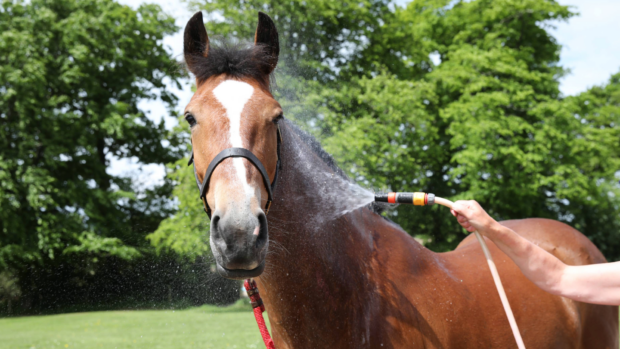
Owners can lack confidence when deciding whether to call the vet for equine wounds – and some are still reaching for outdated treatments, research has highlighted.
In a study published in Animals, researchers from the University of Nottingham, with support from the British Horse Society, aimed to understand owner-reported causes, management and outcomes of equine wounds. The work gathered data to expand on existing wound evidence, which has predominantly been expert reviews or referral hospital studies.
Owners submitted information for 219 horses with injuries. The most common reason for wounds was wire/fencing injuries and the most common place was the lower half of the hindlegs. Owners gave first aid in just over two-thirds of cases and three-quarters of horses needed veterinary attention – but owners were not always confident in deciding whether the wound needed the vet.
The study highlights “several areas where information and resources could support behaviour change in owners and improve wound outcomes”, including on planning for emergencies and the need for guidance on when to call the vet and giving first aid.
Co-author Sarah Freeman told H&H the most common emergency vets get called to, after colic, is wounds.
“Vets see one perspective, but there’s an awful lot that owners see and vets don’t – so this gives us a different picture of what’s going on in the horse population,” she said, adding that there is further work taking place on wounds due out later this year.
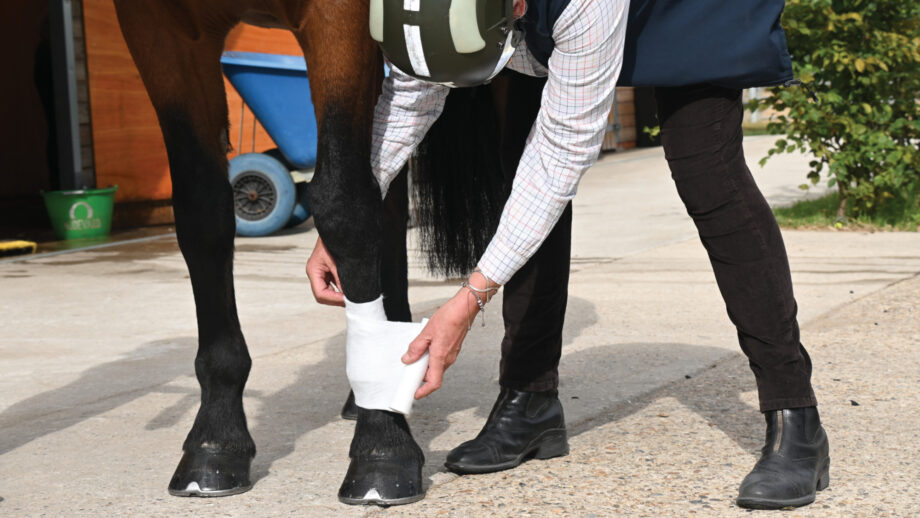
“Some of the findings weren’t surprising, like the most common place for wounds – but it was interesting to understand the things that owners are commonly doing. We can look at whether they fit with best practice and what information we can provide; that’s maybe small things like washing hands before giving first aid, or helping people decide when to get to the vet or how to bandage.”
Professor Freeman added that the study showed some owners are applying products such as Sudocrem or purple and silver sprays, which are “not ideal in quite a number of wounds”.
“There’s been years and years of people using these products, but over time products have evolved or changed and the ingredients are not always clear,” she said, adding that some can prevent wounds being able to breathe or slow healing.
In the study, 80% of horses who had veterinary intervention were given antibiotics. H&H vet Karen Coumbe said this proportion was “somewhat surprising” and that when it comes to wound care, “effective cleaning and dressing” may mean antibiotics are unnecessary, avoiding “overuse of such precious medication”.
Ms Coumbe added that “the position of a wound is crucial”, rather than the size.
“Even if it is relatively large it might not be as bad as one might imagine, whereas a small deep puncture near a joint may be catastrophic, if it penetrates into a vital structure,” she said.
“If in doubt, always consult your vet – it is not difficult to send photographs or video to help obtain advice, although phone pictures can be misleading and it helps to see the injury to ensure all is well.
“If a horse seems lamer than expected or depressed, unwell or uncomfortable, always contact your vet.”
British Horse Society horse care and welfare education manager Emmeline Hannelly told H&H the research provides “valuable insight” and helps raise awareness of the importance of effective wound care.
“Wounds are a common problem and one that owners should be prepared for,” she said, adding that injuries can lead to infection and serious complications if they are not assessed and managed appropriately.
“Prompt assessment and treatment are important, and knowing when to seek veterinary advice can make a significant difference to the outcome.”
- To stay up to date with all the breaking news from major shows throughout 2026, subscribe to the Horse & Hound website
You may also be interested in:’

Puncture wounds – a potentially serious injury that can be easily missed
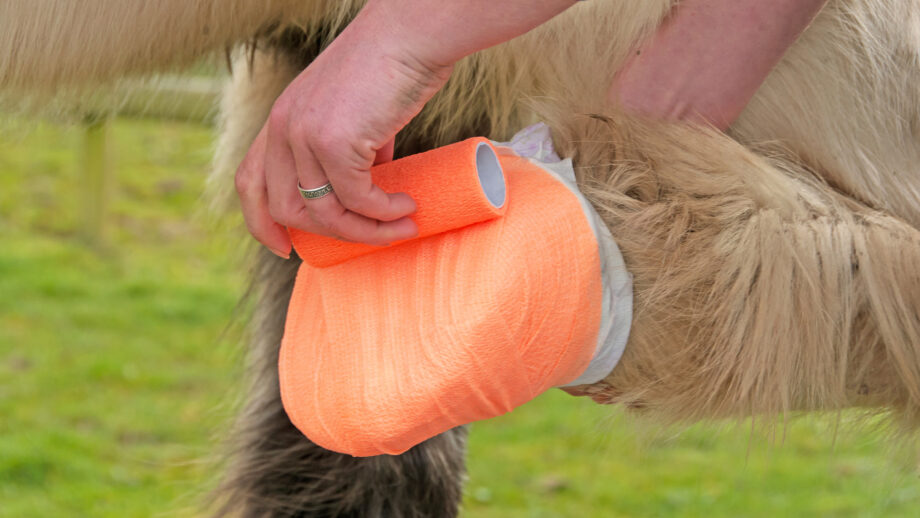
Equine first-aid kit essentials: what you really need

Subscribe to Horse & Hound magazine today – and enjoy unlimited website access all year round