
Fibre is essential to maintain digestive health, but is a fibre diet enough to fuel a horse in work or maintain condition? Research shows that even high-level competition horses can be fed on rations based on hay and alfalfa with only minimal cereals, while maintaining performance and muscle tone (Martin et al., 2023). However, fibre quality is key.
The energy (or calories) supplied by fibre depends on its digestibility, which is influenced by plant type, environmental conditions and the plant’s maturity at harvest. Alfalfa is a highly digestible quality fibre source which can contribute significantly to energy requirements, especially when combined with oil.
Plant power – the added benefits of a fibre-based diet
Horses are herbivores, and this should underpin every feeding decision. Moving away from the fibrous diet that horses have evolved to consume will naturally have repercussions for digestive health.
Unlike other animals, the horse’s stomach accounts for only around 10% of the total volume of the digestive tract. Feed remains in the stomach for around 20 minutes before passing into the small intestine, although when trickle feeding, the horse’s stomach would never be completely empty. Feeding a double handful of chopped fibre before exercise helps to maintain the fibrous mat in the stomach thereby reducing “acid-splash”. For this reason, exercising on an empty stomach should be a thing of the past for all horses.
3 things you need to know about supporting digestive health
- Maintain forage intake: all horses should eat a minimum of 1.5% of their bodyweight as forage on a dry matter basis each day. Maintaining forage intake while managing the weight of good doers can be challenging, so choosing lower-calorie forage and fibre sources such as Dengie Ulser Lite is key.
- Manage starch intake: for poorer doers in harder work, you should restrict starch intake to less than 1g per kg of bodyweight per meal and less than 2g per kg of bodyweight per day to help maintain gastric health. Choosing more digestible fibre sources that provide a higher calorie intake, such as Dengie Healthy Tummy, helps to reduce the reliance on starch for energy while maximising fibre intake. Use the Dengie starch calculator.
- Use fibre with oil if more energy is needed: a high fibre feed with added oil such as Dengie Alfa-A Oil, Dengie Performance Fibre or Dengie Healthy Tummy provides comparable energy levels to a traditional competition mix or cube, but with up to 10 times less starch.
Low calorie option
Dengie Ulser Lite combines soft chopped straw and grasses with alfalfa and grass pellets, a light rapeseed oil coating, tasty herbs and a TLC package of pre-, pro- and postbiotics. It is ideal for good doers as it provides just 8MJ/kg digestible energy, and can also be used as a forage replacer. It’s a straight feed, so you can simply add a source of vitamins and minerals or a balancer alongside to provide a balanced diet.
High calorie options
Dengie Healthy Tummy combines chopped and pelleted alfalfa with a rapeseed oil coating plus a TLC package of pre-, pro- and postbiotics to support digestive health. It provides 11.5MJ/kg of digestible energy from fibre and oil, helping to support weight gain and condition. Healthy Tummy also contains added vitamins and minerals, so when it is fed at the recommended rate of 500g per 100kg bodyweight per day, no additional vitamin and mineral supplement is required for horses working up to moderate levels.
Dengie Alfa-A Oil is a high calorie feed that’s ideal for fuelling work, promoting weight gain, condition, healthy skin and coat shine. It has a blend of pure alfalfa with a rapeseed oil coating providing 12.5MJ/kg of slow-release energy from fibre and oil that’s naturally low in starch at 2% and sugar, at just 4.5%.
Dengie Performance Fibre is a tasty blend of precision-dried grass and alfalfa with a rapeseed oil coating, and has a light inclusion of molasses and spearmint oil to tempt fussy feeders. It is naturally low in starch at 1.5% and contains a sugar level of 12%, which is comparable to grass hay.

Biotics – what are they and what do they do?
Both Dengie Healthy Tummy and Dengie Ulser Lite contain a TLC biotics package to help support fibre digestion and maintain digestive health. Biotics are ingredients that are alive or originate from live bugs, or act on the bugs that are already in the digestive system.
Prebiotics: short-chain fructooligosaccharides (known as scFOS) prebiotics are a food source for beneficial bacteria in the gut. Well-fed bacteria will proliferate and outnumber harmful species.
Probiotics: this includes products that contain either bacteria or yeast because they are both ‘alive’ and can help to maintain a healthy gut. Currently there are no bacteria probiotics approved for use in horses, so, if you are buying a product described as a probiotic, it is likely to contain live yeast.
Postbiotics: these are inanimate microorganisms and the end products of microbial fermentation that support a healthy digestive system, particularly in horses on low fibre diets.
Case Study: Tina Wallace and Banksy

Banksy is owned by Life on the Left Rein’s Tina Wallace. Although competing at British Eventing BE90–BE100, he has always been a good doer and has a fat score of 3.5/5. Tina works hard to keep his weight in check while maximising his forage intake to support gastric health, including feeding fibre before travelling and exercise. Banksy is fed either Dengie Healthy Tummy or Dengie Ulser Lite depending on the time of year and his training and competition schedule, plus Dengie Alfa-Beet Mash, which all provide slow-release energy for his work. He’s also fed a broad-spectrum vitamin and mineral supplement, plus electrolytes to support recovery.
Find out more
Visit dengie.com or speak to one of Dengie’s highly experienced nutritionists on the company’s feedline 01621 841188.
-
 Save 20% on the Christmas countdown with the perfect Advent calendar for pony-mad kids
Grab a discount on this festive gift for Schleich fans and collectors
-
 Horse racing TV and streaming guide: follow the 2026/27 jumps season and major races overseas
All the broadcaster information you need to watch this week’s racing


-
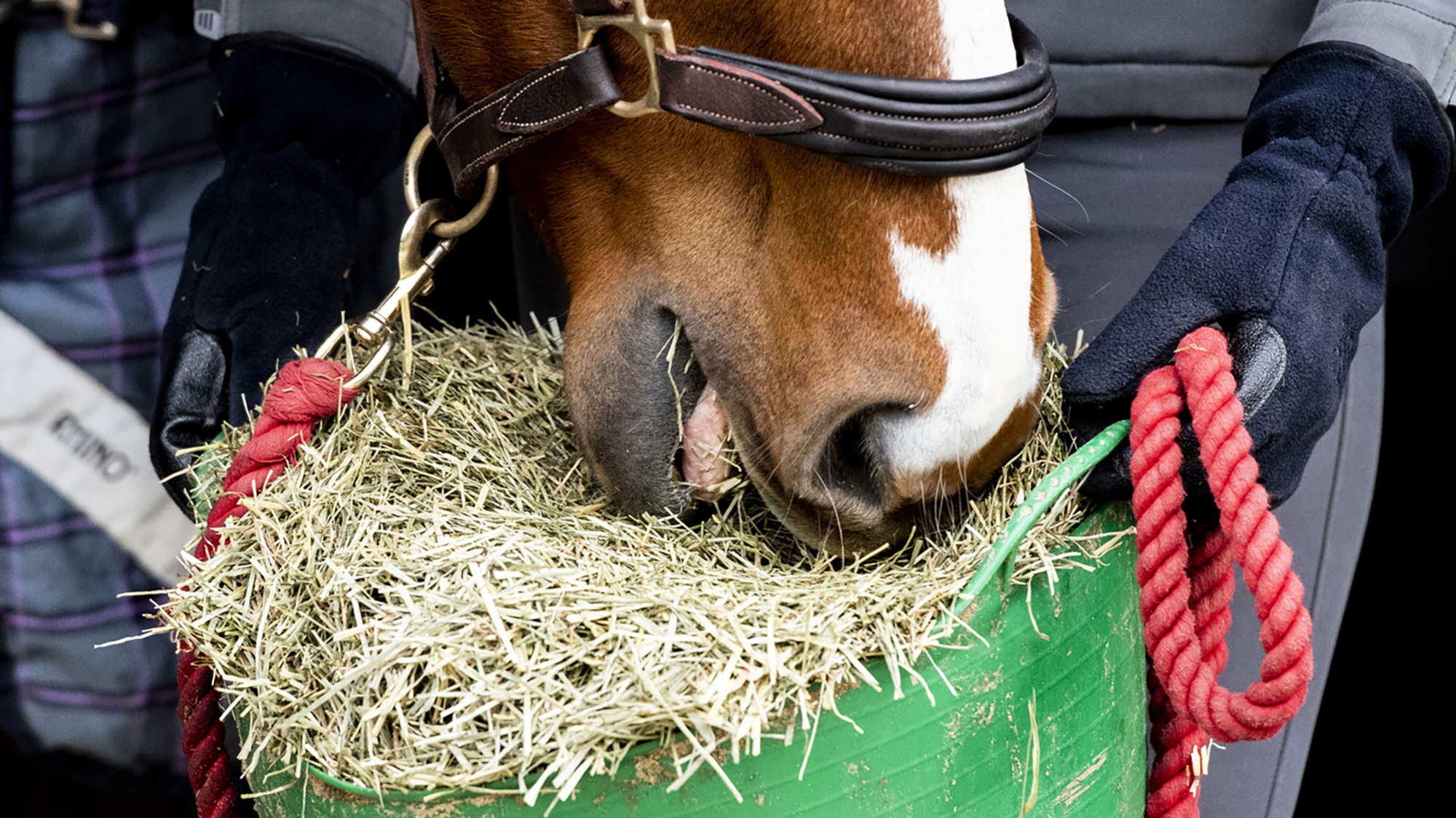 When forage runs short: smart, safe ways to keep your horse thriving this winter
If you're concerned about a lack of forage this winter, Dengie is here to help
-
 What does five-star parasite control look like?
Five-star event rider Sarah Bullimore has trusted Westgate Labs with her horses’ parasite control for more than 20 years. The same evidence-based approach is available to every horse owner.
-
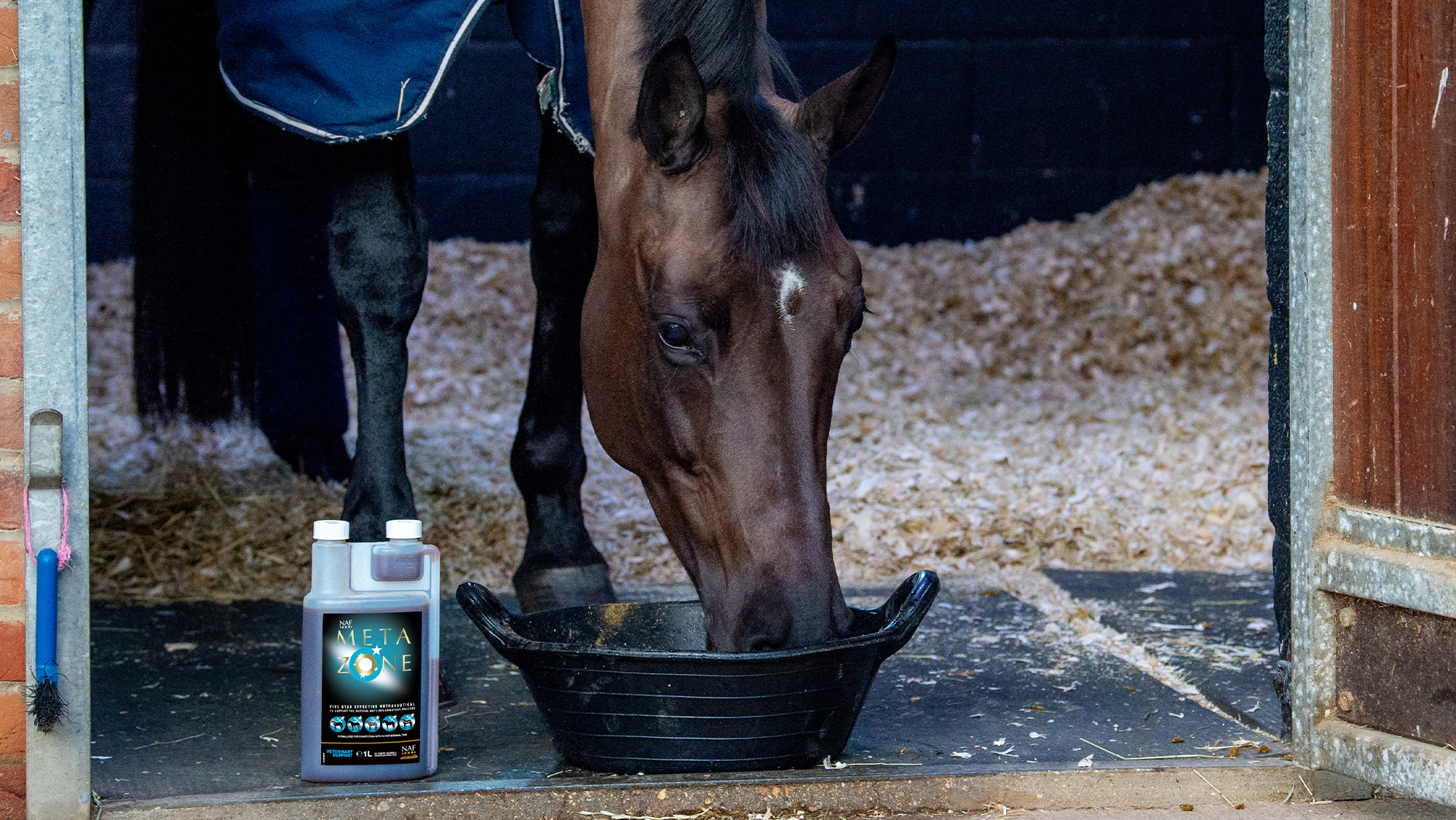 Help your horse stay in the zone this competition season
-
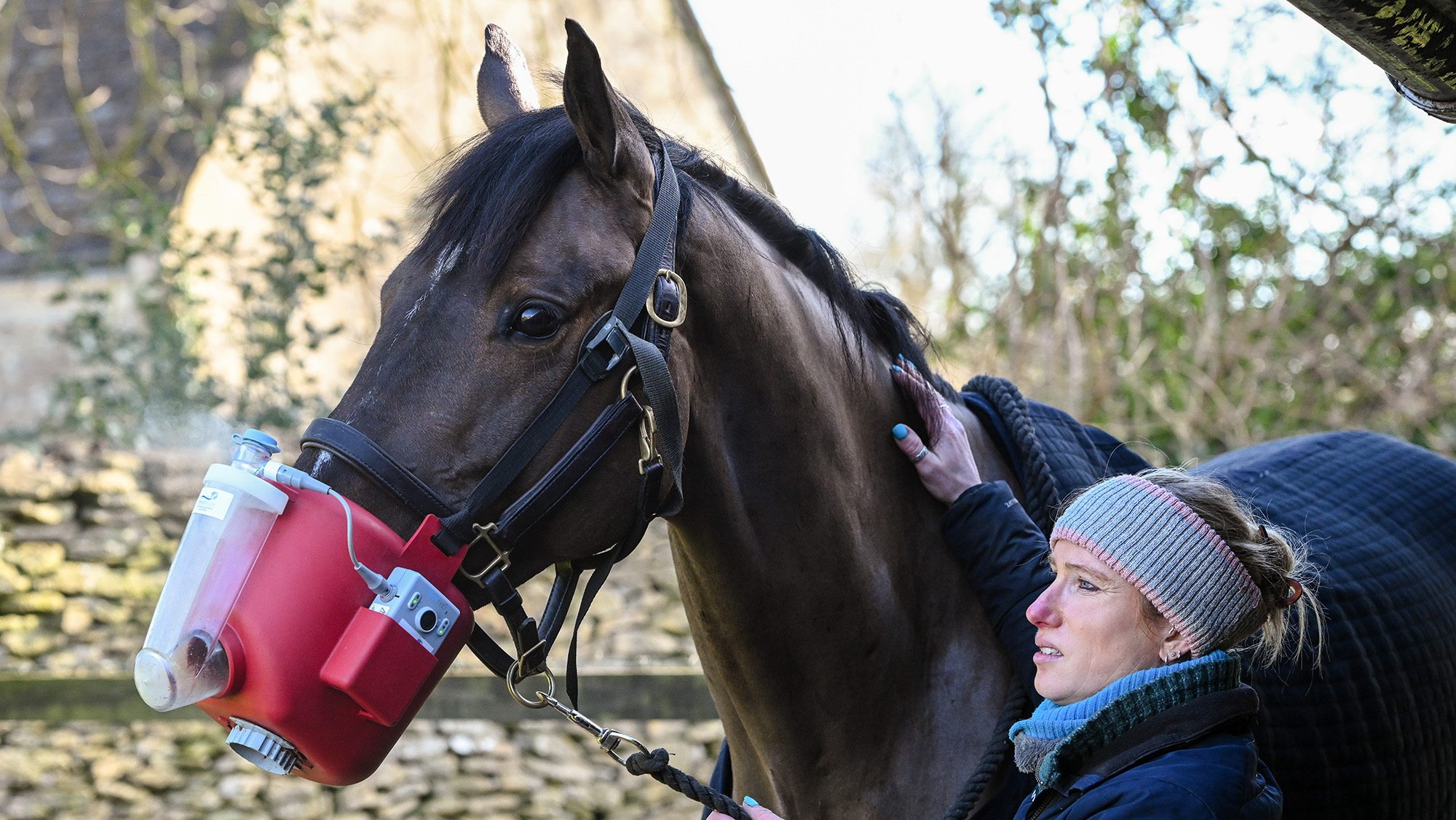 Performance begins long before the start box: preparing horses for peak performance with Harry Meade
-
 Don’t forget this key ingredient in a stress-free show day
-
 Is your horse trying to tell you something?
-
 The three most-common horse insurance questions answered
-
 Get ahead of spring and summer respiratory results
Sponsor Content created with


