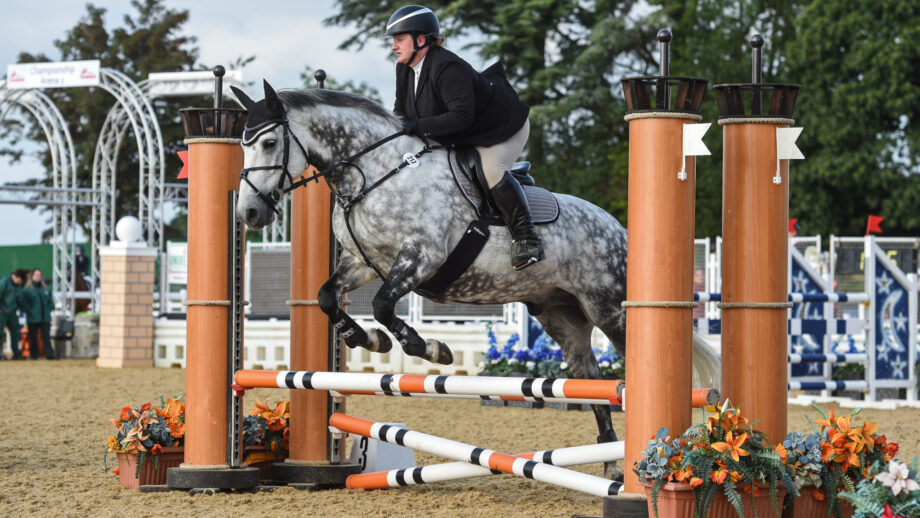
Efforts are being made to promote and grow para showjumping, as concerns are raised by riders that there has been a decline in opportunities since the pandemic.
British Showjumping (BS) said para showjumping has had “a significant boost this year with the introduction of a revised competition structure and dedicated calendar”. This includes five multi-day competitions, culminating in the BS national championships at Stoneleigh and a season finale at Arena UK in September.
Open sections have been introduced alongside existing graded classes. BS said this provides “greater flexibility” by enabling riders to compete within their grades – in which they accumulate points towards the para leagues – and in open sections at different heights.
A two-day camp was held last month at the national training centre in Leicestershire, aimed at introducing riders to the sport.
“The training provides a great opportunity for riders to get together socially as well as benefiting from training sessions and unmounted workshops on a variety of topics,” said coach Sarah Tubbs.
Para competitors have welcomed the opportunities and hope more riders will become involved – but have raised concerns over whether more can still be done.
Rider Claire Pope told H&H that since the pandemic there has been an overall decline in para showjumping opportunities.
“Since Covid some riders have stopped competing or have lost horses, and we’ve just not been able to get more people involved,” she said.
“We’ve lost shows like Bramham, which was a big showcase for us. We’ve asked for more shows and we understand that we’re a very small minority, but the communication needs to be better.”
Anna Hilton did not know about para showjumping until after she was diagnosed with multiple sclerosis.
“I was trying to hammer myself around able-bodied classes, but it just wasn’t working because I don’t have the strength any more. I started Googling and that’s when I discovered para showjumping. I hadn’t seen it advertised anywhere, so I think that’s been the problem, that people just don’t know it’s an option,” she told H&H.
“Unfortunately, because there’s only a few of us in each class, some places don’t want to run para – and you can see it from their point of view. But we need more venues to get on board with putting the shows on and publicising it.
“We all joke that you have to be a little bonkers to jump with a disability, but we just love it – and that’s why we don’t want to lose it.”
Deena Webster once competed in para shows abroad through BS – but said in recent years opportunities have dropped off. She believes BS joining the Hidden Disabilities Sunflower network, as British Dressage has, could be a way to get more riders involved. Dressage riders can wear a sunflower armband or lanyard, which aims to raise awareness that they have a non-visible disability.
“The thirst for the sport is there. I’m pleased to see there are more opportunities this year but I think the whole para structure needs looking at to give people more,” Deena told H&H.
BS national director of sport Stephanie Toogood told H&H para showjumping “continues to go from strength to strength with increasing opportunities for riders to train, compete and be part of a supportive community”.
- To stay up to date with all the breaking news from major shows throughout 2026, subscribe to the Horse & Hound website
You may also be interested in:’
Rider due amputation after shattering leg hopes to inspire others with showjumping success

British Dressage ‘proud to make the next step’ in move to support hidden disabilities

Para rider with MS hopes to inspire others after returning to showjumping

Subscribe to Horse & Hound magazine today – and enjoy unlimited website access all year round