Native pony specialist Rebecca Penny has her say on amateurs beating professionals and refreshing results in the show ring
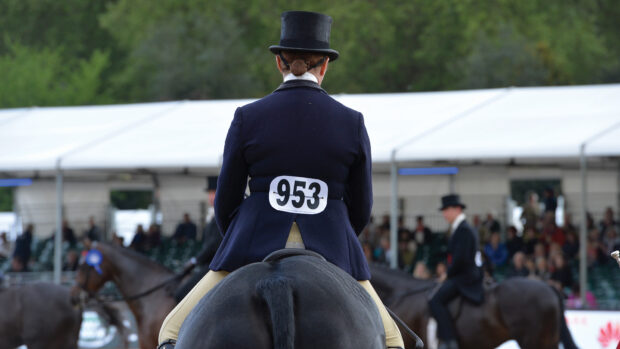
For years, the showing world has been dominated by the perception that professionals hold all the cards when it comes to winning at the highest level.
Whether ringside, on social media or in conversations after the classes have finished, there is often a suggestion that amateurs and home-produced combinations are at a disadvantage. That they simply cannot compete with the professionals.
Yet the results frequently tell a different story.
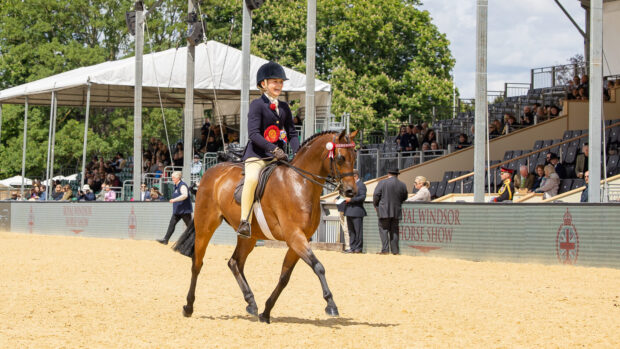
A perfect example came at Devon County, where home-produced riding pony Wycroft Benjamin Bunny secured one of the first Horse of the Year Show (HOYS) Price Family supreme in-hand final qualifications of the year.
Anyone involved in showing understands the significance of that achievement. The Price final is one of the most difficult tickets to secure, attracting quality animals, experienced producers and fierce competition at every qualifying opportunity.
Yet on that day, it was a home-produced pony that came out on top. Similar stories unfold every season, with amateur exhibitors proving they are more than capable of taking on some of the biggest names in the sport and winning.
“The horse is the great leveller”
Sometimes the debate around amateurs and professionals focuses so heavily on who is producing the horse that we forget the most important factor of all: the horse itself. In many ways, the horse is the great leveller.
I have always believed that if you have a quality animal and prepare it well enough, you will have your day regardless of your status. Reputation may attract attention, but quality still has a habit of rising to the top.
What concerns me more is the divide this debate continues to create. By constantly framing showing as amateurs versus professionals, we risk losing sight of the fact that everyone involved shares the same passion.
Many professionals started out producing their own animals at home, while many amateurs dedicate an extraordinary amount of time, effort and expertise to presenting horses and ponies to a very high standard.
In reality, the line between the two groups is often far more blurred than many people would care to admit.
Which brings me to one of the more contentious aspects of the discussion: what actually constitutes an amateur?
Depending on which society’s rulebook you are reading, the answer can vary considerably. A competitor may qualify as an amateur under one set of rules but be excluded under another. Some exhibitors can spend years producing horses and ponies to a very high standard and still compete in amateur ranks, while others find themselves ineligible because of technicalities.
The inconsistency inevitably creates confusion and frustration. If societies are committed to maintaining a distinction between amateur and professional competitors, then there should be greater consistency in defining where that line actually sits.
A refreshing result
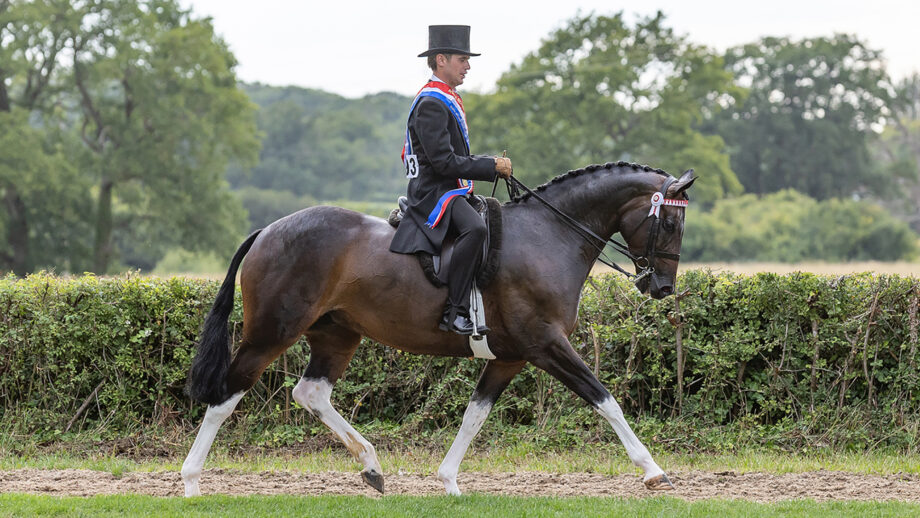
Another result from the early part of the season also caught my attention. It was refreshing to see a coloured horse – Lostock Up Till Dark – take one of the first HOYS qualifying hack championships, ridden by Harrison Taylor.
Traditionally, show hacks have been associated with a very specific image and type, and coloured horses have not always fitted neatly into that perception. Yet this result served as a timely reminder of something many of us have believed for years: a good horse is never a bad colour.
What was particularly pleasing was that the horse appeared to be judged entirely on its merits. It was not overlooked because it happened to have patches. It was rewarded because it was good enough. Surely that is exactly how showing should be.
Perhaps the lesson from both results is the same. Whether it is an amateur taking on some of the most established professional producers in the country, or a coloured horse stepping into a championship often dominated by tradition, quality should always be the deciding factor.
Showing is at its best when the best horse on the day wins, regardless of who is at the end of the lead-rein, who is in the saddle or what colour it happens to be.
● How does your definition of an amateur compare with societies’? Let us know at hhletters@futurenet.com, including your name, nearest town and county, for the chance to have your thoughts published in a future issue of Horse & Hound magazine
- To stay up to date with all the breaking news from major events, as well as exclusive insights from top names, subscribe to the Horse & Hound website
You might also enjoy reading:
Debate over new format for HOYS championship: ‘things have to evolve’
‘We’ve grown up together through the good, bad and ugly’: amateur beats the pros to stand hack champion at Royal Windsor
‘I strongly dislike seeing fat horses’: Top judge shares his ‘pet hates’ and tips for first-timers