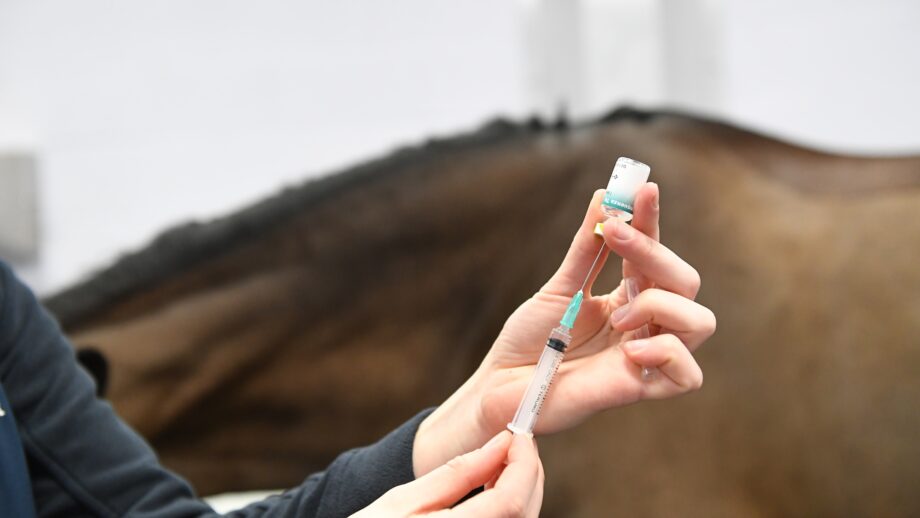
Vaccination is vital to protect our horses and prevent spread of disease in light of the rise in cases of equine flu.
The equine infectious disease surveillance (EIDS) team at Cambridge Vet School has confirmed a total of 76 cases since the start of the year, 74 since the start of April. The geographic spread of confirmed cases is wide; affected horses have been reported in 39 different counties this year.
H&H reported this month on a call by EIDS for “vigilance for early clinical signs, maintaining up-to-date vaccination status and implementing isolation protocols for new arrivals”.
British Dressage, British Eventing and British Showjumping are recommending members move horses to a six-month vaccination cycle, bring forward boosters if a horse’s last vaccination was more than six months ago, plus other advice.
Equine vet Alan Hough, of Celtic Equine Veterinary Practice in Hampshire, called for a mindset shift away from vaccinations being simply a tick-box exercise for competition, to vaccinating because responsible owners care about keeping horses healthy.
“I think we need to change the narrative away from vaccinations being something that you have to do to go to a show with your horse, to something that you absolutely should do for the welfare of your animal because you’re a good owner,” he said.
He encouraged owners to seek advice from their own vets about individual situations and added that Celtic Equine Veterinary Practice is advising those taking horses out and about that “the six-monthly booster is sensible”.
“We’re advising clients if it’s been more than four or five months since their last flu vaccination to consider having a six-monthly booster done now. For some owners, the booster might not be due for another two months, and they’re bringing it forward just to give it some more protection now while the higher circulating levels are around,” he said.
He added that vaccinated horses generally have much milder signs, the course of infection is shorter and they have reduced viral shedding, so are less likely to contaminate the environment.
Mr Hough also stressed that flu is an airborne disease.
“If you’ve got a high circulation level of flu in an area, just because the horse never leaves the yard doesn’t mean it’s safe unfortunately, so this is why vaccination is our best protection against flu,” he said, adding that the virus can travel three to five kilometres in the right conditions.
“With other diseases, like strangles, if you have good biosecurity, you can curtail a lot of things, whereas unfortunately, with airborne pathogens, such as herpes and flu, this is why your vaccination is your best means of defence.”
Mr Hough urged those in the industry to think of good biosecurity as “part and parcel” of dealing with horses every day, rather than as a “knee-jerk” reaction to disease outbreaks.
Asked by British Equestrian about whether horses who do not travel or compete should still be vaccinated, vet Hattie Bell, of EIDS, said this is about “risk assessment for your own horse”, but there is “a possibility your horse will be exposed”.
“If you’re on a yard where every other horse is going out competing, you can’t be sure they’re not bringing it back – even if they are vaccinated. If your horse is completely naive, we know they show more severe clinical signs and that’s the bit you’re trying to protect [against],” she said, adding owners don’t know what horses are moving around in the vicinity all the time.
“If your horse is on his own and you know there are horses two or three fields away, you can’t be sure they also don’t have it. With the warm winds we are having, that can definitely travel over and expose your horse.”
As of Wednesday (20 May), only horses from licensed training yards have been allowed to enter racecourses on racedays. Hunter chases are cancelled and the British Horseracing Authority is working with Ascot to “enable the royal procession to go ahead without any increased risk”.
For more on equine flu, see the Vet Clinic pages in the current issue of Horse & Hound magazine – on sale from today (Thursday, 28 May)
- To stay up to date with all the breaking news from major shows throughout the year, subscribe to the Horse & Hound website
You may also be interested in:

‘We’re delighted to bring loyal readers this benefit’: H&H magazine subscribers get free website access
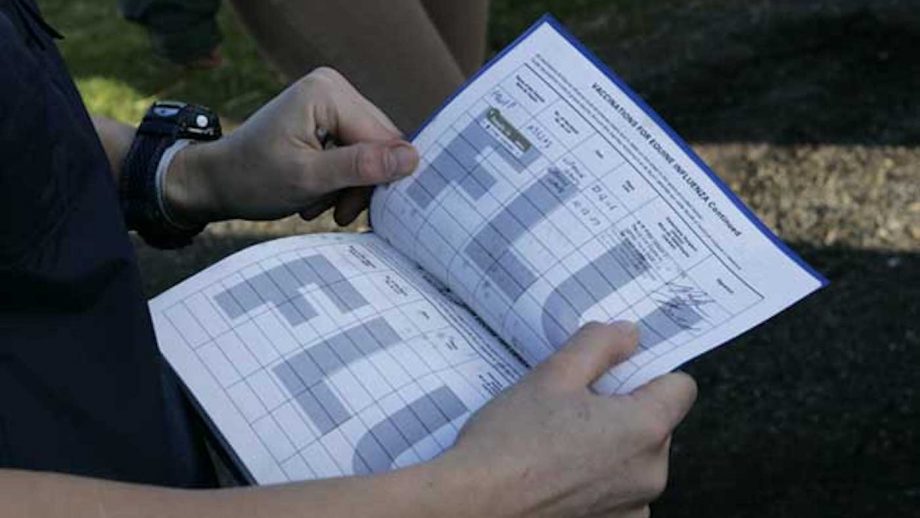
Equine flu: what horse owners need to know during the current outbreak in Britain

Rising equine flu cases lead to special measures at Royal Ascot
Horse owners warned vigilance and vaccination key as equine flu cases continue to rise