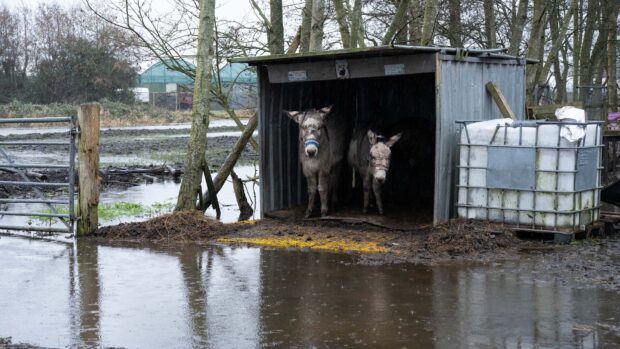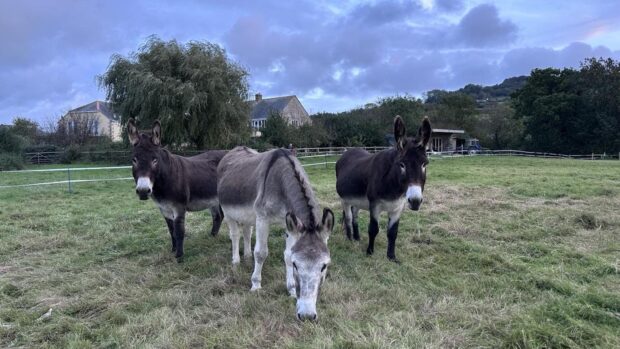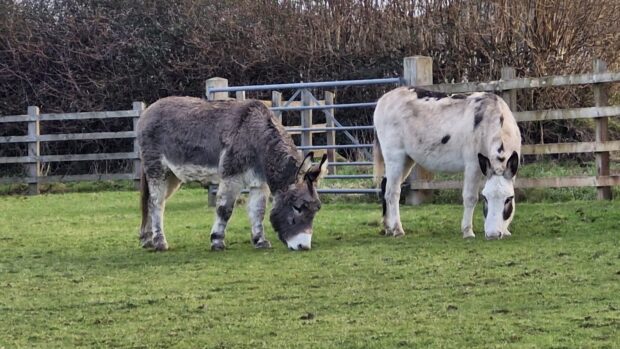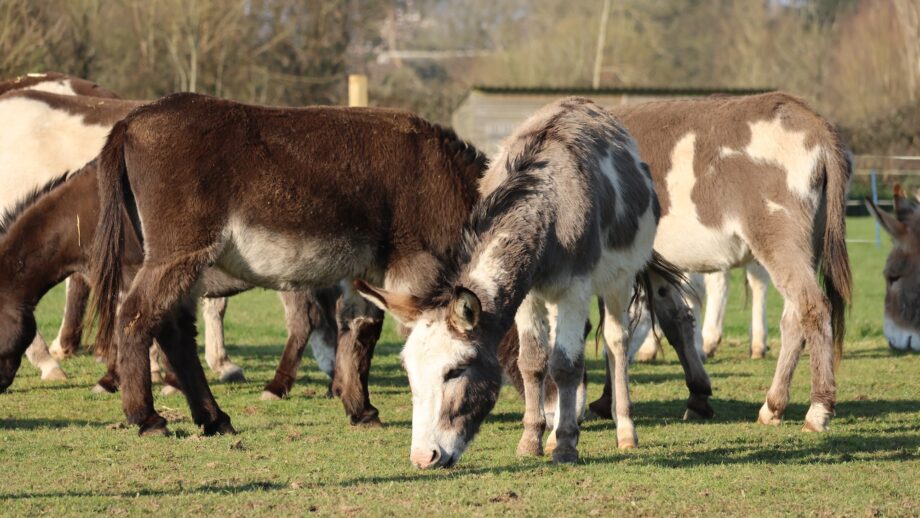
The UK is “failing its working donkeys, research has found, as anyone visiting attractions offering rides is urged to consider equine welfare before they pay for services.
Research carried out by The Donkey Sanctuary due to be published on 30 May in Veterinary Record, highlights a shift in the role of donkeys’ roles, which can mean new welfare issues.
“While traditionally associated with seaside rides, donkeys are increasingly used in a wide range of commercial settings – from supporting human wellbeing, appearing in films and other media, and as attractions in farm parks or petting zoos,” a Donkey Sanctuary spokesperson said. “These evolving labour roles bring new and often overlooked welfare challenges, raising concerns about how effectively current regulatory systems safeguard the donkeys.”
The study considered welfare of donkeys who had been resigned into the charity’s care from licensed commercial operators and those whose premises had been attended by donkey welfare advisers. These included donkeys given up voluntarily or after intervention, sometimes with RSPCA support.
“Of the 179* donkeys assessed, almost all were suffering from poor health, including back pain, lameness and welfare issues relating to low weight as well as inadequate dental or hoof care,” the spokesperson said. “Notably, almost three-quarters of these animals had been working as beach donkeys.”
Animal-related activities are subject to licensing by local authorities, which means councils must have licensing officers with knowledge of equine welfare, or involve vets for welfare assessment and decision making.
Not necessarily negligence
Donkey Sanctuary senior researcher Tamlin Watson, lead author of the study, said issues are not necessarily a result of negligence.
“Licensing authorities are expected to oversee an incredibly diverse range of premises from gambling venues to theme parks and zoos, often without the specialist knowledge or resources required to properly assess animal welfare in a diverse number of species,” she said.
“We were recently involved in a continuing professional development (CPD) online event for farm parks at which 79 per cent of attendees were local authority officers. The success of that event suggests there is an appetite for specialist training and a genuine desire to ensure the welfare of animals under licence. Further events are planned for 2027.”
She added that there is a lack of consistent veterinary involvement in licensing, which must improve, but that the research “suggests that vets too sometimes need a better understanding of donkey welfare needs”.
“The study concludes that licensing alone does not guarantee positive welfare outcomes for donkeys, even in cases where veterinary oversight is a formal requirement,” the spokesperson said. “It also points to the need for a more informed and coordinated approach to safeguarding their welfare in an evolving commercial landscape.
“As the holiday season approaches, The Donkey Sanctuary is urging people visiting farm parks or seaside resorts where donkey rides are offered to consider the welfare of the animals involved before paying for services.”
- To stay up to date with all the breaking news from major shows throughout the year, subscribe to the Horse & Hound website
You may also enjoy reading:

Lack of turnout and owner knowledge mean ‘most horses’ do not get what they need

Woman who ran beach donkey business for 30 years banned from keeping animals
Council withdraws statement that riding schools can earn £7,200 per day in licence fee dispute
Riding schools in ‘national crisis’ over ‘unfit for purpose’ licensing system

Subscribe to Horse & Hound magazine today – and enjoy unlimited website access all year round