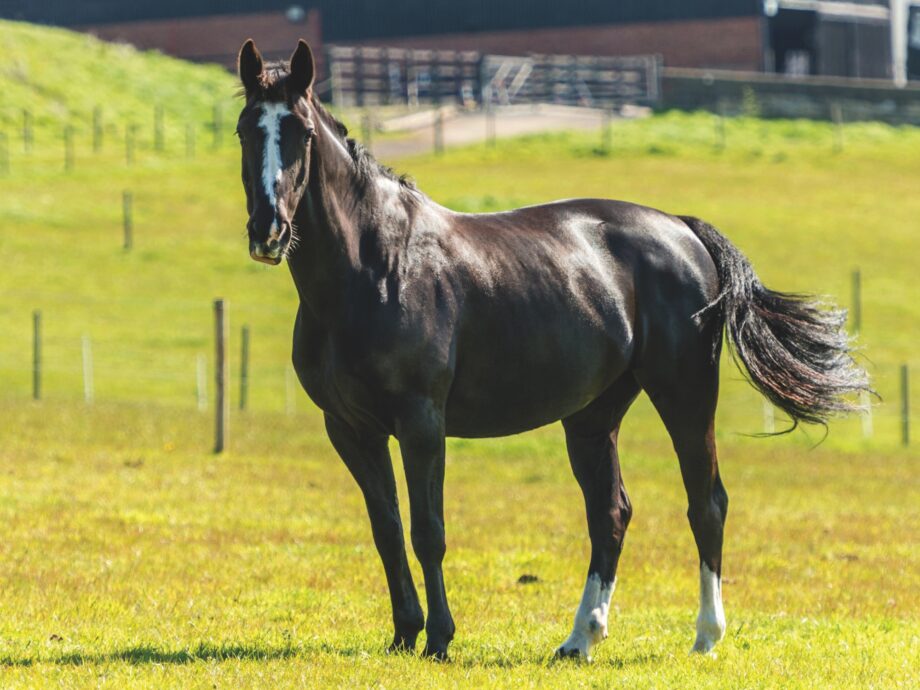
The Hackney horse and pony has suffered a further decline, the latest Rare Breeds Survival Trust (RBST) figures show, but there are signs of hope elsewhere.
The numbers of Hackneys were already “very low”, and the breed was already in the “priority” category but the 2026 RBST watch list, published this month, shows that its situation is now classed as critical.
Figures show that the number of dams producing registered offspring dropped from 34 in 2024 to 20, a 41% reduction. The breed’s effective population size, a measure of genetic diversity rather than the number of horses, has dropped from 52 to 27, well below the United Nations’ breed level of concern, 50.
RBST chief executive Christopher Price said: “The Hackney horse and pony has been operating at low numbers for some years, and further sharp declines in 2025 have put the breed in a critical situation.
“This characteristically tough and hardy breed has so much to offer – as well as its fantastic history, the Hackneys’ agility and flair make them great horses for showing, jumping and dressage as well as under harness. Halting this decline is an urgent priority for RBST and we will be working with RBST members and the breed society to intensify our conservation programmes for the breed.”
Unique chapter
Hackney Horse Society council member Sarah Hockings said the breed “represents a unique chapter of British history”, but also an opportunity for modern riders, owing to their temperament and versatility.
Her fellow council member Fred Vyse added: “Whether in the show ring or as a spirited companion, the Hackney remains a breed of unparalleled quality.
“We are proud to be working in close collaboration with the Rare Breeds Survival Trust to secure this future. By combining the society’s deep-rooted expertise with the RBST’s conservation work, we are taking proactive steps to turn the tide on declining numbers.
“Our joint efforts are focused on ensuring that the ‘celebrated Hackney’ is not just a memory of the past, but a thriving, vital part of the UK’s equine community for years to come.”
The 2026 RBST watch list, the charity’s annual report, shows that six native UK equine breeds are in the most urgent, priority, category, and six more are classed as at risk.
Cleveland Bays
This year’s report also highlights concerns for the Cleveland Bay. Despite major efforts made in recent years, the number of breeders registering foals and the number of dams producing registered offspring are the lowest recorded since data collecting started in 2002. In one year, the number of dams has dropped by 42.8%.
Cleveland Bay Horse Society chairman Matthew Stonehouse told H&H that after the Covid period there was a “welcome increase in breeding activity; a sign that interest in the Cleveland Bay remained strong”.
“That momentum has since eased, and we attribute this to a combination of factors,” he said.
“Challenging economic conditions for breeders, the wider cost-of-living squeeze on equestrian pursuits and what several of our members have noted was an unusually difficult breeding year in 2024 due to adverse weather. Cycling difficulties that year are thought to have suppressed foal numbers, not only in Cleveland Bays but across several breeds.”
Mr Stonehouse added that international registrations, which have “played a meaningful role in our numbers”, have also reduced in recent years, which the society is actively monitoring.
“The Cleveland Bay is Britain’s oldest established native horse breed, and its future is something we care about deeply,” he said. “We are moving forward with promotion of the breed; particularly to amateur riders and a younger audience who may not yet appreciate just how versatile and characterful these horses are.
“We believe the 2026 figures will provide a clearer picture, and we remain cautiously optimistic.”
Signs of hope in 2026 RBST watch list
The Suffolk horse’s effective population size increased in 2025 for the third consecutive year, and the number of dams producing registered offspring was the highest since 2010.
The Dales showed effective population size growth and the Eriskay pony was stable. There was an increase in new Exmoor breeder registrations.
Mr Price said 13 UK native equine breeds are classed as rare on the 2026 RBST watch list.
“These breeds are an irreplaceable part of our cultural heritage, and they also have important modern roles to play in riding and recreation, conservation grazing for nature restoration and genetic diversity,” he said.
“Owners of native breed horses and ponies around the UK can work with RBST and breed societies to register their animals, to showcase their versatility and take part in crucial breeding programmes. Please do contact RBST to find out more about how you can support a strong future for our rare native equines.”
- To stay up to date with all the breaking news from major shows throughout 2026, subscribe to the Horse & Hound website
You may also be interested in:

Calls for riders to embrace the Hackney’s versatility as rare breed teeters on the brink

‘Sometimes, I could do with a pair of blinkers’: hackney strides to top 10 finish at dressage nationals

The Hackney: the history and endangered status of this dynamic British breed

Hackney stallion thought to be oldest of his breed in the country celebrates 34th birthday
“He’s still got it, love him, every now and then you see him trotting up the field and you think

Subscribe to Horse & Hound magazine today – and enjoy unlimited website access all year round