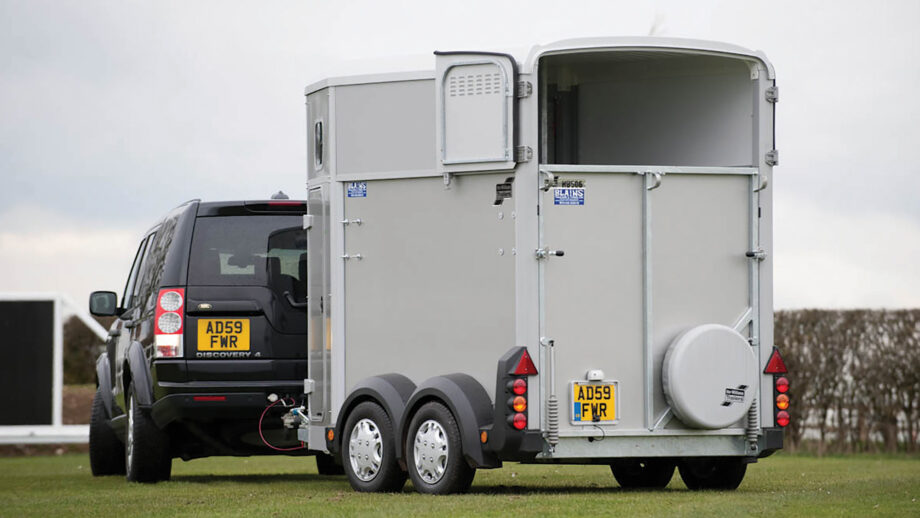
Understanding the correct towing limits for horse trailers is highly important from a safety and legal perspective – but it’s a topic that often causes heated discussion as many drivers interpret the rules differently.
For a set-up to be correct both the towing vehicle and the trailer need to be considered – and you must not exceed the vehicle’s gross train weight (GTW) or the trailer’s maximum authorised mass (MAM). Vehicles and most trailers will have a weight plate, displaying the GTW or MAM. These can also be found in the vehicle handbook, and on some trailer manufacturer’s websites.
Confusion can arise where people assume that a big vehicle has a large GTW – which is not always the case. Similarly, some might assume that a vehicle with a large GTW – for example many pick-ups – will always be able to carry two big horses, but this is dependent on the trailer’s MAM; a trailer may be stalled for two but the MAM might not be great enough for two heavy horses.
How much can my vehicle tow?
The DVSA provided the below guidance to H&H to help owners understand weight plates and work out how much their vehicle can tow.
Understanding towing vehicle weight plates
Most vehicles display a manufacturer’s weight plate under the bonnet or on the door frame. It typically shows:
- Gross vehicle weight (GVW)
- Gross train weight (GTW)
- Maximum front and rear axle weights
The GTW is especially important when towing as it sets the maximum combined weight of the vehicle, trailer, and load.
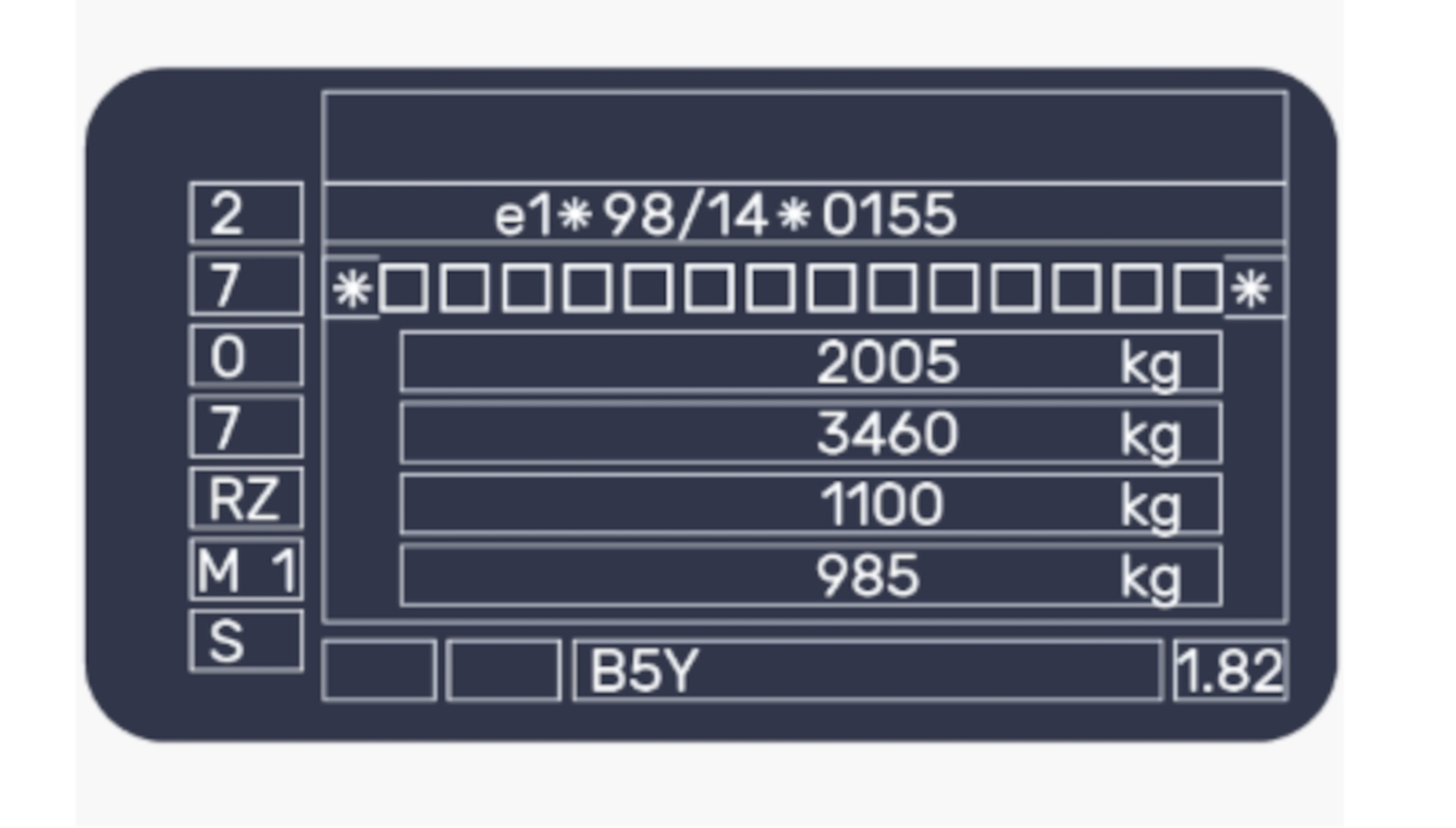
An example of a vehicle weight plate.
Understanding trailer towing weight plates
A trailer’s plate usually displays:
- Maximum authorised mass (MAM)
- Unladen (empty) weight
- Axle weight limits
The MAM must never be exceeded, even if the towing vehicle is capable of towing more.
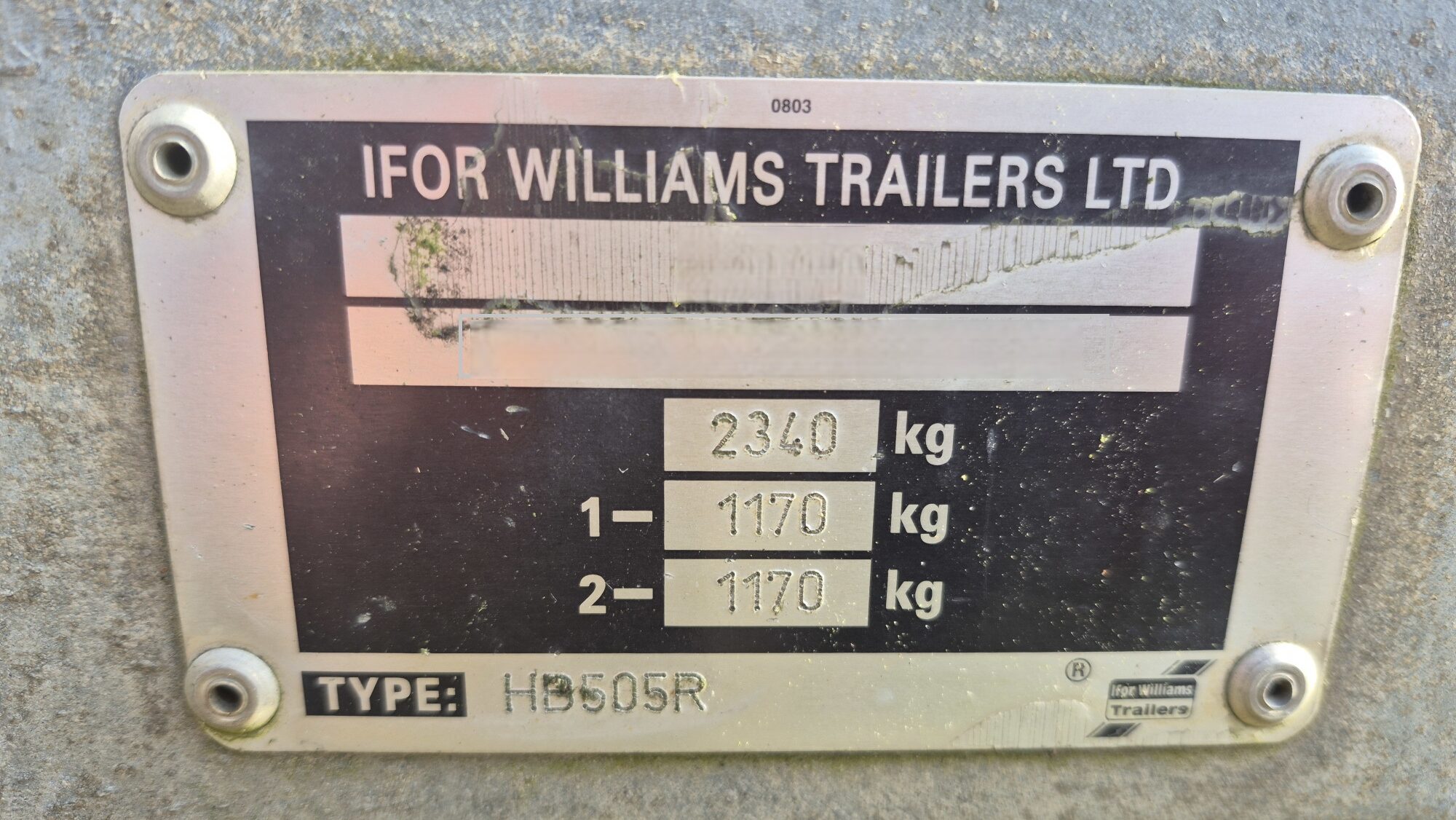
An example of a horse trailer weight plate.
What is load weight?
Load weight refers to anything the trailer carries: the horse, tack, water, hay, equipment and any other items. To tow safely, you must:
- Ensure total load + unladen weight does not exceed the trailer MAM
- Ensure the combined vehicle and trailer weight does not exceed the GTW
- Balance load correctly to avoid instability or sway
How to work out how much your vehicle can tow
Below is the DVSA’s advice on how you can accurately establish how much your vehicle can tow, taking into account factors such as the horse, passengers, equipment and water.
1. Check the vehicle’s maximum permissible towing capacity
This is set by the manufacturer and can be found in the vehicle handbook or on the weight plate.
2. Identify the trailer’s plated weights
A trailer plate will display its MAM
3. Estimate load weight
Add together:
- Horse weight
- Passengers
- Tack, feed, bedding, and equipment
- Water and any additional carried items
4. Compare actual weight against limits
Ensure the total does not exceed either of the following:
- The vehicle’s maximum permissible towing capacity
- The trailer’s MAM
- Any combination or gross train weight limits
If you are ever unsure, you can take your vehicle to a public weighbridge to check the weight.
To summarise:
The GTW is the maximum weight of the:
- Towing vehicle
- Trailer
- And everything loaded into the towing vehicle and trailer
The weight of the load carried on the trailer, combined with the weight of the trailer itself, must not exceed the MAM of the trailer.
Importance of adhering to legal towing weight limits
Towing beyond the legal weight limits is a significant safety risk. Exceeding the MAM of either the towing vehicle, the trailer, or the overall combination can:
- Reduce vehicle stability and increase stopping distances
- Increase the likelihood of trailer sway
- Overload braking systems
- Lead to mechanical failure or loss of control
For unlimited access to advice on how best to care for your horse, subscribe to the Horse & Hound website
You may also be interested in:

Horse & Hound’s ultimate towing checklist to keep your horse safe on the move
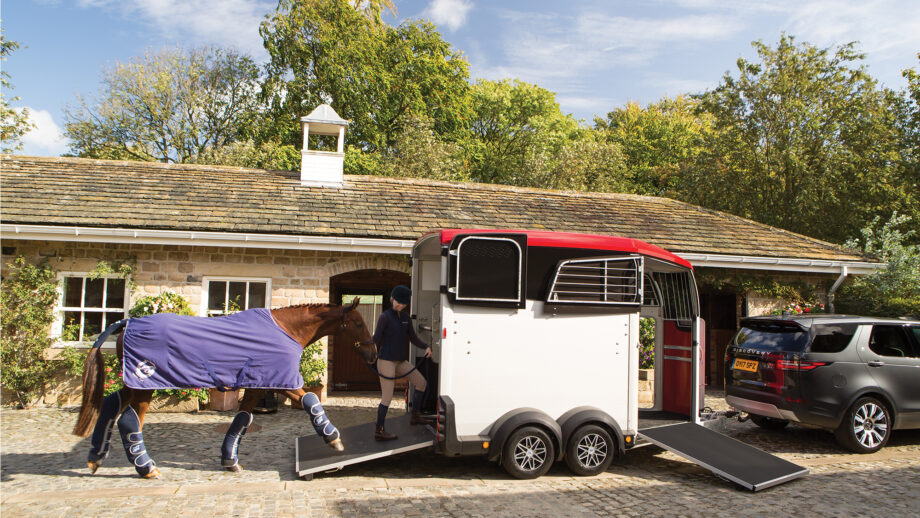
10 trailers to consider if you’re looking to buy, with examples from all the major brands
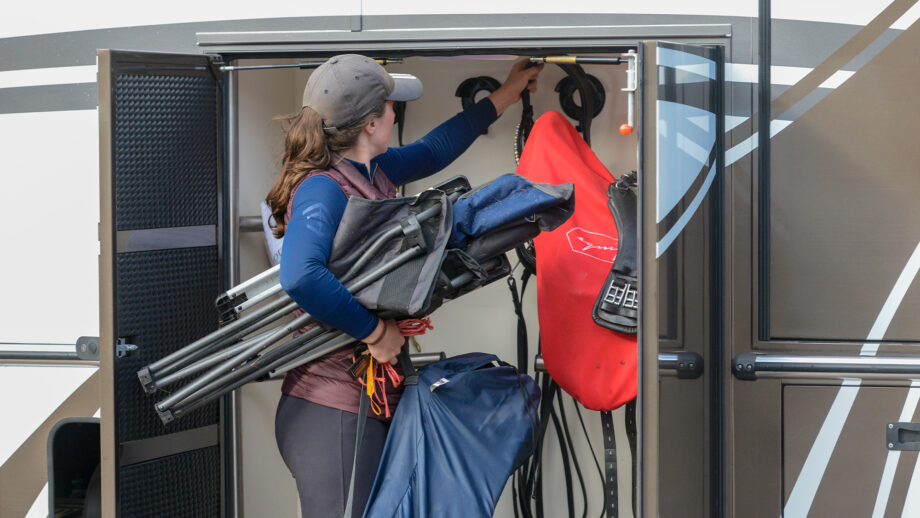
Worried you might forget something? Here’s a complete packing list for travel
Subscribe to Horse & Hound magazine today – and enjoy unlimited website access all year round