As horse owners we all want our horses to feel their best. One of the ways we can help with this is by ensuring that they have a healthy and well-supported digestive system.
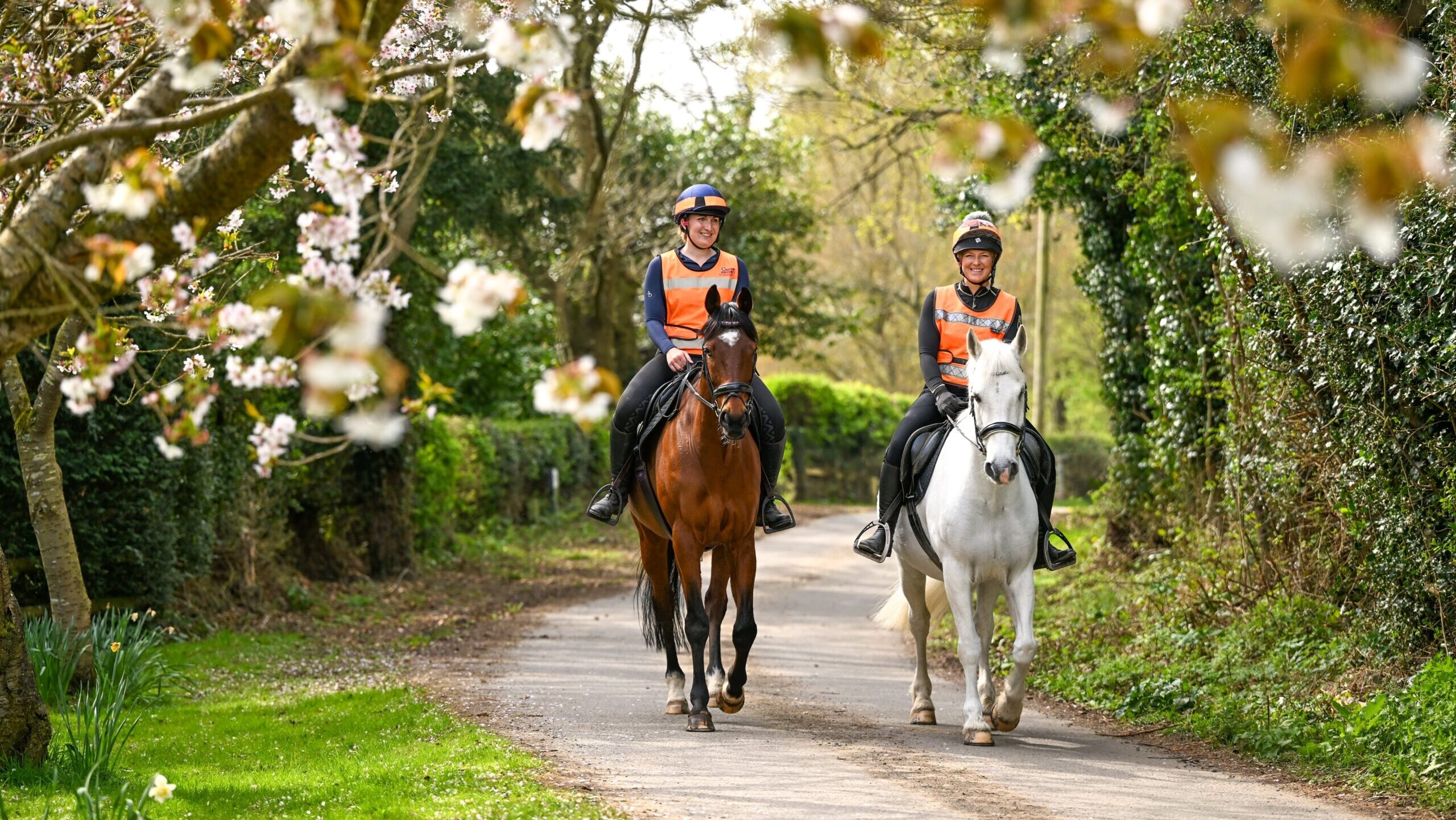
Click on the hotspots on the image below to shop
Horses’ digestive systems are complex and upsets or imbalances in their gut can lead to a variety of health problems, from colic to gastric ulcers. That’s where following the basic rules of feeding can help; feeding little and often to maximise good digestion, ensuring that you feed plenty of fibre, providing feed with high-quality ingredients and avoiding making sudden changes to their diet.
Why is fibre important?
Fibre has many functions in the digestive system, from assisting in keeping harmful bacteria at bay, to helping to keep your horse warm.
Horses produce digestive enzymes to break down certain nutrients such as carbohydrates and protein, but they can’t produce enzymes to break down fibre and so rely on a population of microorganisms in the hind gut that are able to break down fibre for them. This process releases energy and nutrients from the fibre that the horse can utilise, such as B vitamins.
Aiding digestion
Giving your horse digestive aids can help support the gut with these processes, especially in horses prone to stomach upsets or that are travelling and competing regularly. These aids might include digestive biotics, which can be broken down into three: probiotics, prebiotics and postbiotics.
Probiotics: a live bacteria or yeast. Currently there are no live bacteria approved for horses, so when buying an equine product described as a probiotic, this is likely to contain live yeast – most commonly fungi Saccharomyces cerevisiae. Fungi are part of the digestive process for breaking down fibre, making digestion more efficient so horses get more from what they are eating.
Prebiotics: ingredients that have an effect on the bacteria in the digestive system. In horse feeds these are usually short chain fructo-oligosaccharides (scFOS) and mannan-oligosaccharides (MOS). They work by providing a food source for good bacteria in the gut.
Postbiotics: non-living microorganisms and/or the end products after the digestion of food has occurred. These are found in the gut naturally, so adding more helps to counteract shortfalls, particularly in horses on low fibre diets.
Dengie is here to help
If you are looking to support your horse’s gut with digestive aids Dengie can help. Both Dengie Healthy Tummy and Ulser Lite are high in fibre and low in sugar and starch, and contain a special blend of probiotics, prebiotics and postbiotics.
Dengie Healthy Tummy is a nutritionally-balanced, high fibre feed made from pure chopped and pelleted alfalfa which naturally buffers acidity in the digestive tract. This feed is ideal for horses in work or that need condition.
(Image credit: creditUnknown)
Healthy Tummy is naturally low in starch at just 2% and sugar at 4.5% and provides 11.5MJ/kg of digestible energy, which is comparable to a medium energy mix/cube. It includes a high specification of vitamins and minerals – including B vitamins – plus additional magnesium and calcium for optimal digestive health. This feed includes a unique blend of herbs; oregano, cinnamon, ginger, rosemary and thyme plus a rapeseed oil coating, and is free from molasses and preservatives.
Dengie Ulser Lite was developed by our team of nutritionists to help find the balance between supplying sufficient fibre for good doers to maintain gastric health without promoting weight gain. This low-calorie feed provides a tasty blend of British grown, chopped and precision dried grass and high quality oat straw plus alfalfa pellets for maximum fibre content.
(Image credit: creditUnknown)
Ulser Lite is naturally low in starch at 2% and sugar at 6.5%, and contains oregano, cinnamon, ginger, rosemary and thyme, plus a light rapeseed oil coating to promote coat shine. It is also free from molasses and preservatives.
BETA-approved
Both Dengie Healthy Tummy and Ulser Lite have been independently approved and proudly carry the BETA Approval Mark as suitable for horses prone to equine gastric ulcer syndrome as part of a balanced diet.
If you would like help formulating your horse’s feeding regime call the Dengie Feedline on 01621 841188 or complete the Dengie Feed Advice Form for a personalised diet plan.
(Image credit: creditUnknown)
TOPICS
Horse & Hound Newsletter
Never miss out on the latest happenings in the equestrian world
Since joining H&H in 2018, Becky has covered a broad range of equestrian news including welfare matters, veterinary studies, FEI Tribunal hearings and road safety campaigns. She has also interviewed top riders including Scott Brash, John Whitaker and Ian Stark, to name just a few. Becky’s reporting has taken her to Canada for Spruce Meadows and France for Pau five-star, as well as the Royal Highland and Blair Castle International Horse Trials closer to home. She was also a key part of the remote reporting team for the Tokyo Olympics and the Europeans.


 Incidents at HOYS prompted rules reminder on behaviour, underage drinking and unaccompanied children
 How do UK sport horse auctions stand against European versions? H&H investigates

 When forage runs short: smart, safe ways to keep your horse thriving this winter
 What does five-star parasite control look like?
 Help your horse stay in the zone this competition season
 Performance begins long before the start box: preparing horses for peak performance with Harry Meade
 Don’t forget this key ingredient in a stress-free show day
 Is your horse trying to tell you something?
 The three most-common horse insurance questions answered
 Get ahead of spring and summer respiratory results


