Livery yard owners and managers are facing increasing challenges and “emotional labour” – as new research shows the need for better support.
Researchers at the University of Liverpool explored the experiences of 52 yard managers and managers around yard set-up and management and how decisions are made regarding horse wellbeing.
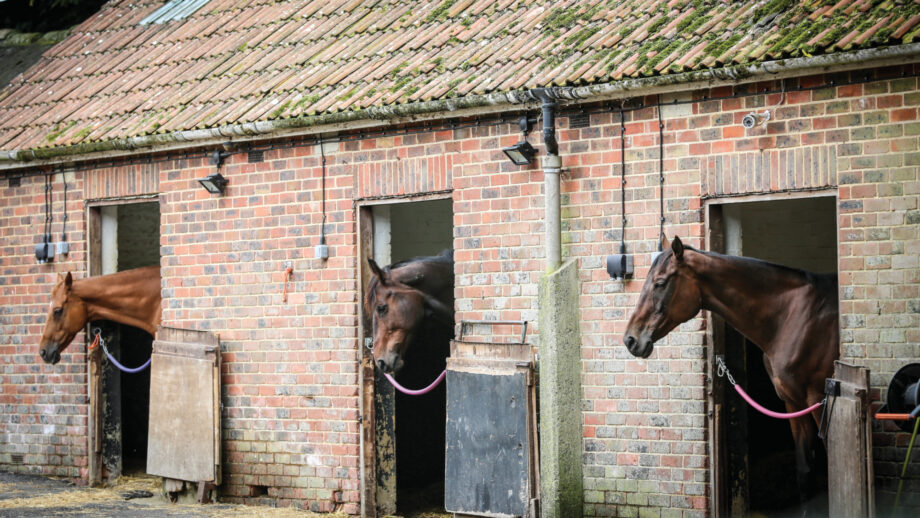
The study, published in CABI’s Human-Animal Interactions journal, highlighted the “complexity of livery yard management with each yard functioning as a unique ecosystem based on a balance of independent factors including the management of horses, clients, land, business and facilities”.
“Livery yards were frequently run from a desire to work with horses, and this shaped the yard managers’ provision of services and care,” said the authors.
“While yards were organised around the physical tasks of looking after horses, participants suggested that the core of their workload was, in fact, related to the organisational and emotional work of managing clients and horses. This included negotiating around interspecies individual needs, managing disagreements and building relationships. Collectively, this required complex organisation and emotional labour.”
Lead researcher Tamzin Furtado told H&H she came away with a “huge amount of sympathy” for yard owners and managers – and said a takeaway is that there needs to be more support and professionalism for yard owners and “respect for it as an industry”.
“There are so many things that just fall to yard owners and managers, without any of us knowing about it,” she said, giving examples of assisting with euthanasia decisions or “extreme scenarios” such as being shouted at by liveries and having horses “dumped on them”.
“A lot of the work yard managers described went unrecognised, and working conditions which we just wouldn’t accept in other situations. They were trying to manage all these difficult situations, while managing their own work-life balance and the costs of running the yard and many described basically subsidising the yard themselves,” she said.
“It’s hard, we’re in a changing world where things are more expensive, we’ve got more horses, less land, winters are getting worse. We need to understand yard managers better and understand why certain decisions might be difficult for them.”
Ms Furtado added that Chery Johns of LiveryList is doing a “phenomenal job of plugging the gap” and providing a community for yard owners.
Ms Johns told H&H she is pleased to see the work highlight the fact yard management is “far more complex than it often looks”.
“Decisions made on yards can directly affect welfare outcomes, standards of care and the experience of horses and clients in an unregulated industry,” she said.
“It’s encouraging to see the role being recognised properly for what it is; a skilled, responsible and often demanding job that plays a vital role within the industry – and one that needs the right level of support to maintain standards and strengthen the sector.”
Sarah Dale, British Horse Society (BHS) head of approved centres, told H&H the society welcomes this “important study that highlights the challenges and complexities faced by livery yard owners and managers”.
“These businesses are central to equine welfare and the wider equestrian community, so improving understanding of the pressures they face is vital in helping create better outcomes for both people and horses,” she said, adding that the BHS supports livery yards becoming licensed in the future.
“We recognise that running a yard requires far more than excellent horsemanship. Owners and managers are balancing business pressures, client relationships, staffing challenges and ever-changing operational demands, often all at once.”
The BHS offers support for approved centres, including advice from regional business support managers on topics including business and pricing strategies; marketing and mental health; as well as access to professional helplines, networking events and vouchers towards training courses and professional development.
“Studies like this reinforce the importance of continuing to invest in meaningful support for yard owners and managers, who remain at the heart of a healthy and sustainable equestrian industry,” said Ms Dale.
- To stay up to date with all the breaking news from major shows throughout 2026, subscribe to the Horse & Hound website
You may also be interested in: