This spiral circle exercise can help you avoid getting stuck in a rut of riding aimless 20m circles. With a bit of focus, you can turn those circles into a really productive flatwork exercise.
Aim
- to improve your horse’s suppleness, engagement and focus.
The setup
Setup: No setup required. All you need is enough space to trot a 20m circle.
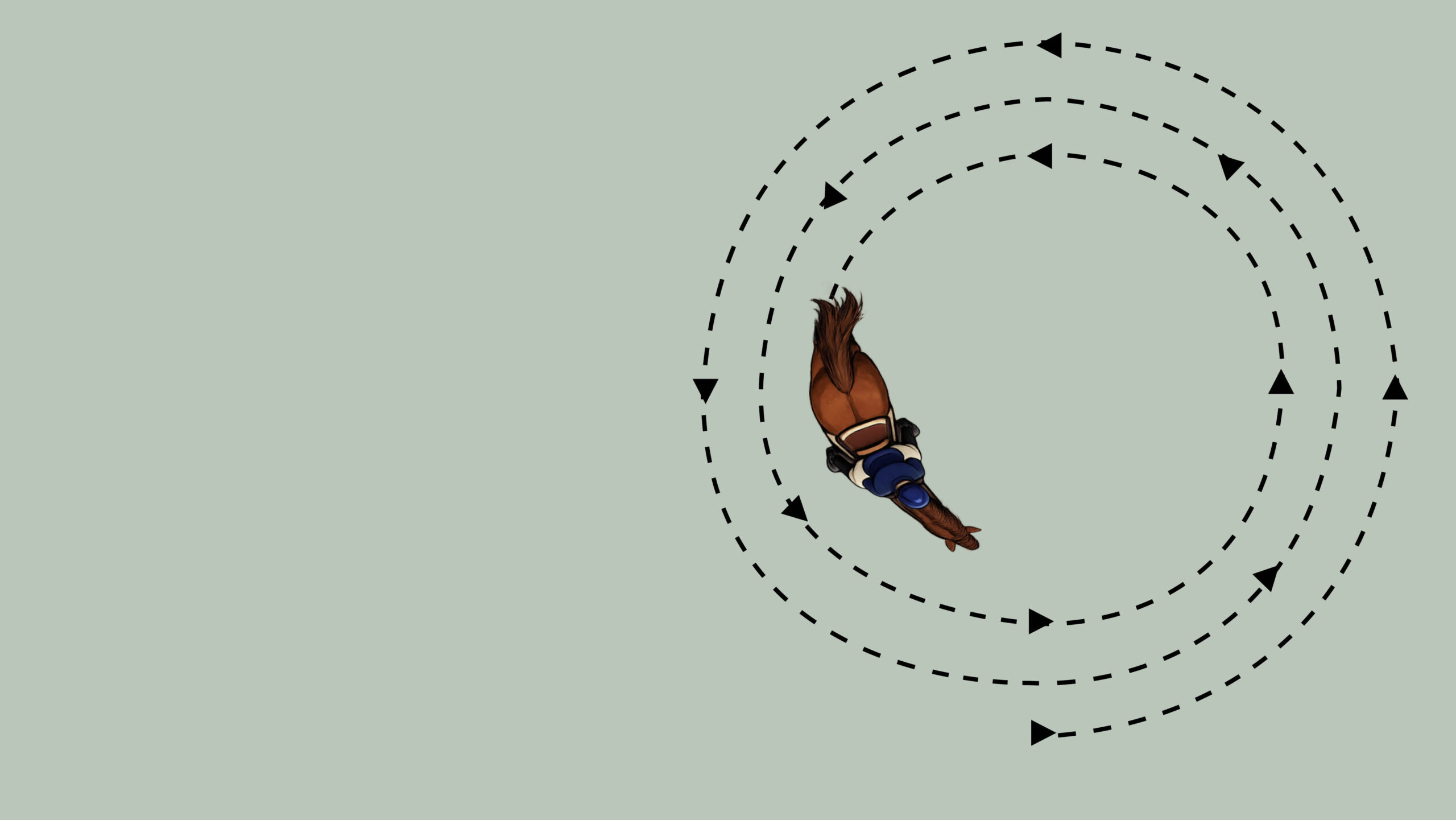
Spiral in gradually, and then leg-yield back out on one circle.
How to ride the spiral circles exercise
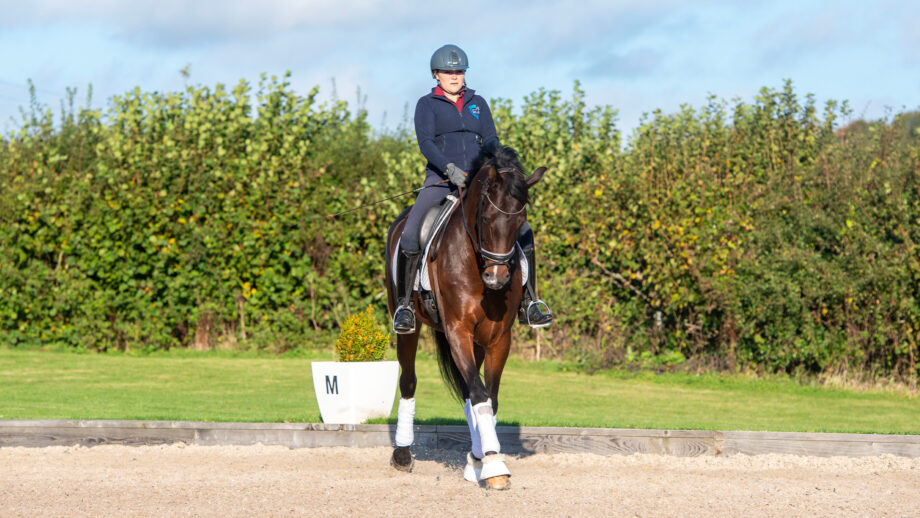
- Once warmed up, pick up an active trot on a 20m circle. Make sure your horse is bending correctly on the line of the circle, with your inside leg on the girth and outside leg just behind.
- Use the outside leg to spiral in to a 15m circle, then 12m then 10m.
- Your horse should not be falling in or out, but maintaining the bend through his body as the circle gets tighter.
- Leg-yield back out to a 20m circle, using your inside leg to outside rein.
You can repeat a few times, working on your horse’s suppleness and response to your aids, and they should soften. Adjust the size of the smaller circle, and how quickly you return to the larger circle, to be appropriate for the horse’s level of training.
Repeat the exercise in canter if you’re both ready for it. When you spiral in, your horse will need to collect the canter strides a little while maintaining their bend and impulsion.
Tips and troubleshooting
1. Falling in
All horses will be stiffer on one rein and this spiralling exercise will help. Keep the inside leg on the girth, encouraging your horse to bend through his body, and your weight on the inside seat bone. Support the outside shoulder with the outside rein.
Check you are not pulling the horse’s head round and back with your inside hand, instead opening the inside hand to guide him. Turn your shoulders in the direction of the turn, don’t lean inwards.
2. Falling out
Use your outside leg behind the girth to prevent the quarters swinging out. The outside rein should guide and contain the shoulder.
The inside leg should encourage your horse to lift through his ribcage rather than sinking. Keep your weight on the inside seat bone.
3. Slowing down
This is a sign that your horse is finding this exercise is challenging. Stay in trot and repeat little and often in your schooling schedule as it will gradually improve their suppleness. You should find that he is much softer on a 20m circle after doing this exercise.
In canter, your horse will have to take shorter strides to make the tighter circle. Keep the rhythm and impulsion to enable him to maintain the canter quality throughout the spiral.
4. Flying changes
Sometimes in canter, when riders apply the inside leg to leg yield back out to the 20m circle, the horse does a flying change. Make sure your leg is on the girth and not behind.
- Enjoyed reading this? For more expert training advice from top riders and coaches, subscribe to the Horse & Hound website
You may also enjoy reading:

Understanding leg yield and how to ride it to improve your horse’s suppleness

Collected canter: how to introduce it and common pitfalls to look out for
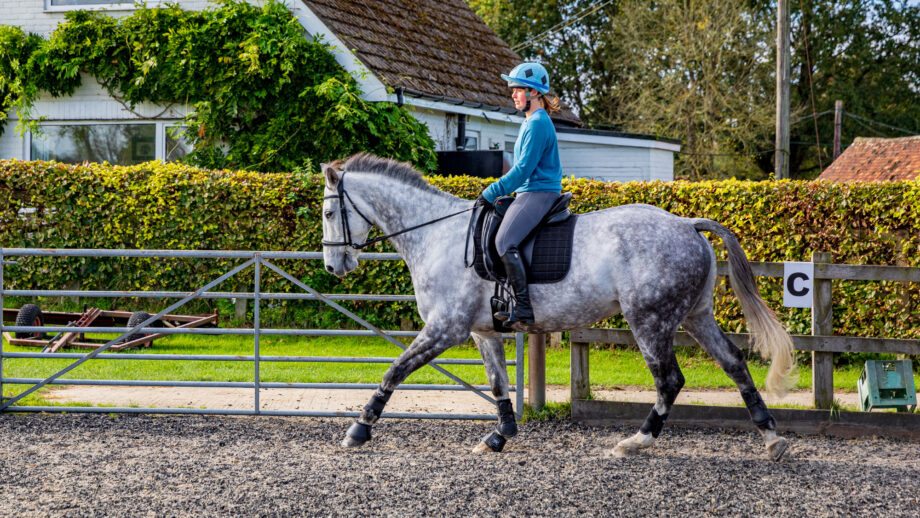
Sharpen your transitions using this simple exercise on a circle
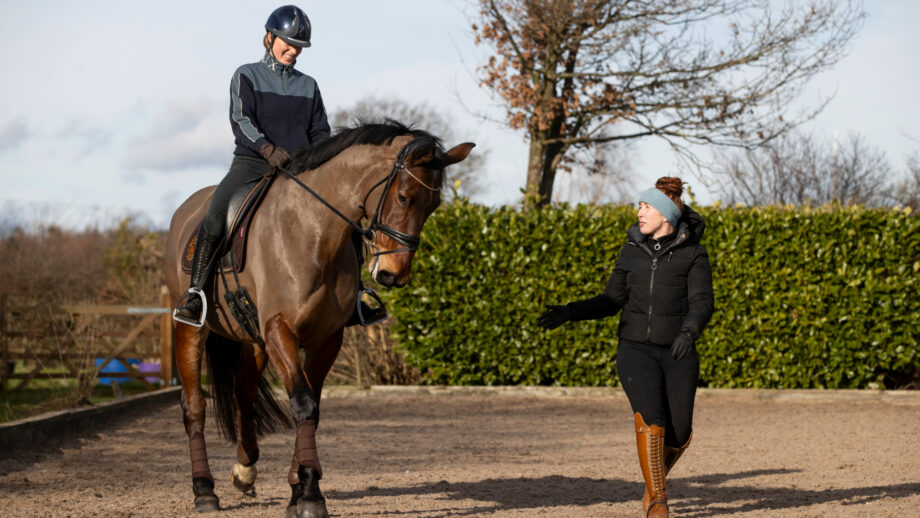
How to ride accurate circles for higher marks – with advice from self-confessed ‘circles geek’ Becky Moody
Subscribe to Horse & Hound magazine today – and enjoy unlimited website access all year round