Add this 10m loop exercise to your next schooling session – no equipment required
An oft-forgotten exercise, the 10m loop benefits every horse’s strength, balance and suppleness. They can also work as a gentle introduction to counter-canter. Plus, it’ll sharpen up a rider’s use of aids.
If you’ve never ridden one before, it’ll be handy to look up how to ride a 10m loop before trying this flatwork exercise. This will help you get to grips with the aids.
Aims
- to improve rider accuracy
- enhancing the horse’s balance and suppleness
- to introduce counter-canter
The setup
You need: a 20x40m or 20x60m arena
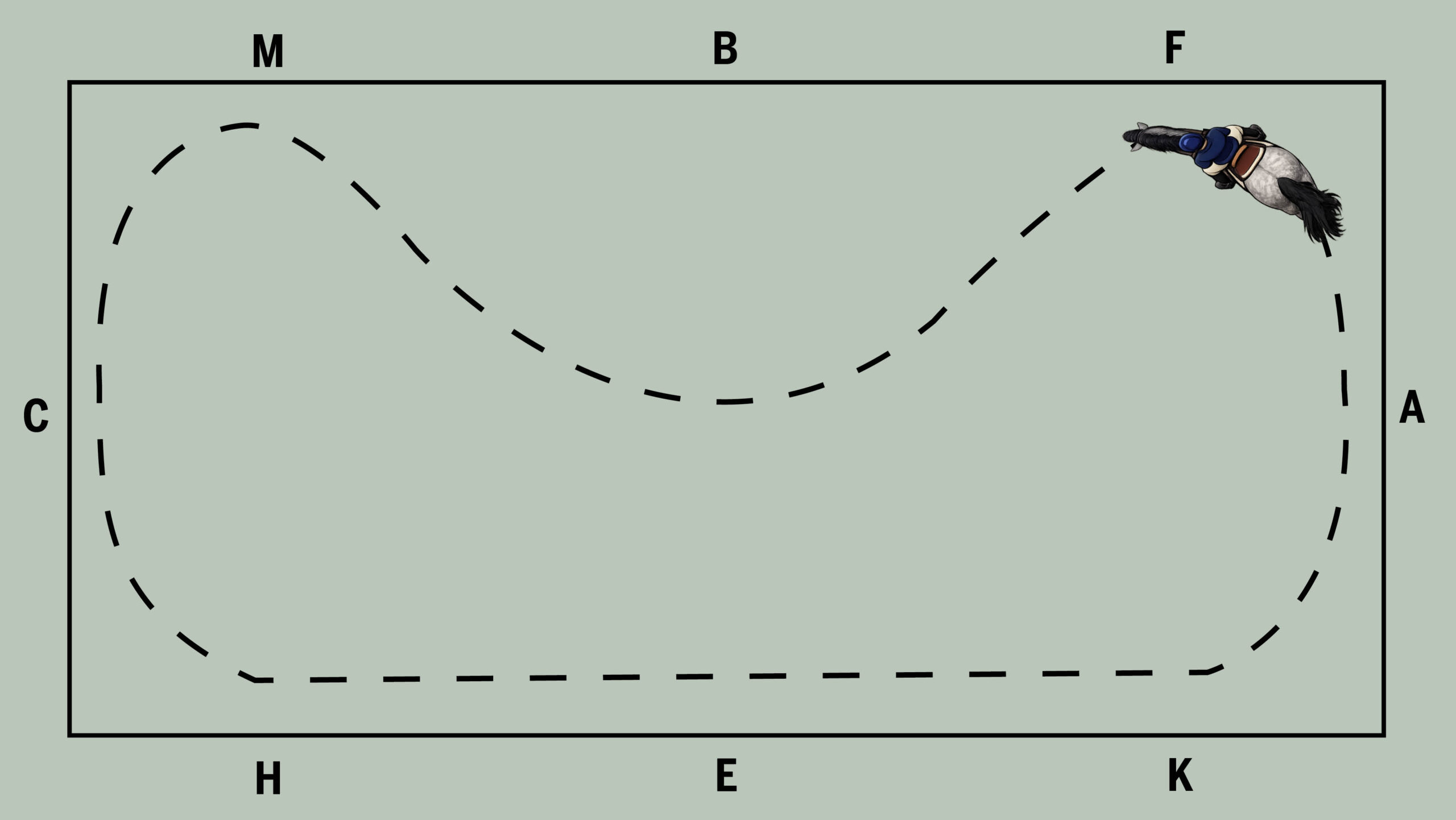
10m loop in a 20x40m arena
How to ride the exercise
- Warm up and establish an active, rhythmic trot.
- Execute the loop, ensuring you ride a quality corner and don’t linger on the centre line – you should just brush it at X.
- Return to the track, using the corner to rebalance.
To dial up the difficulty, do the exercise in canter.
The challenge is to maintain the horse’s rhythm, energy and your line without drifting or the horse coming up and against the hand.
Pitfalls to avoid
1. Know your arena
10m loops follow different gradients depending on the length of the arena. In a 20x60m, the curve is fairly gradual, but in a 20x40m, the line is much steeper. Make sure you plan ahead for shape and symmetry, remembering that briefly touching the centre line at X is correct.
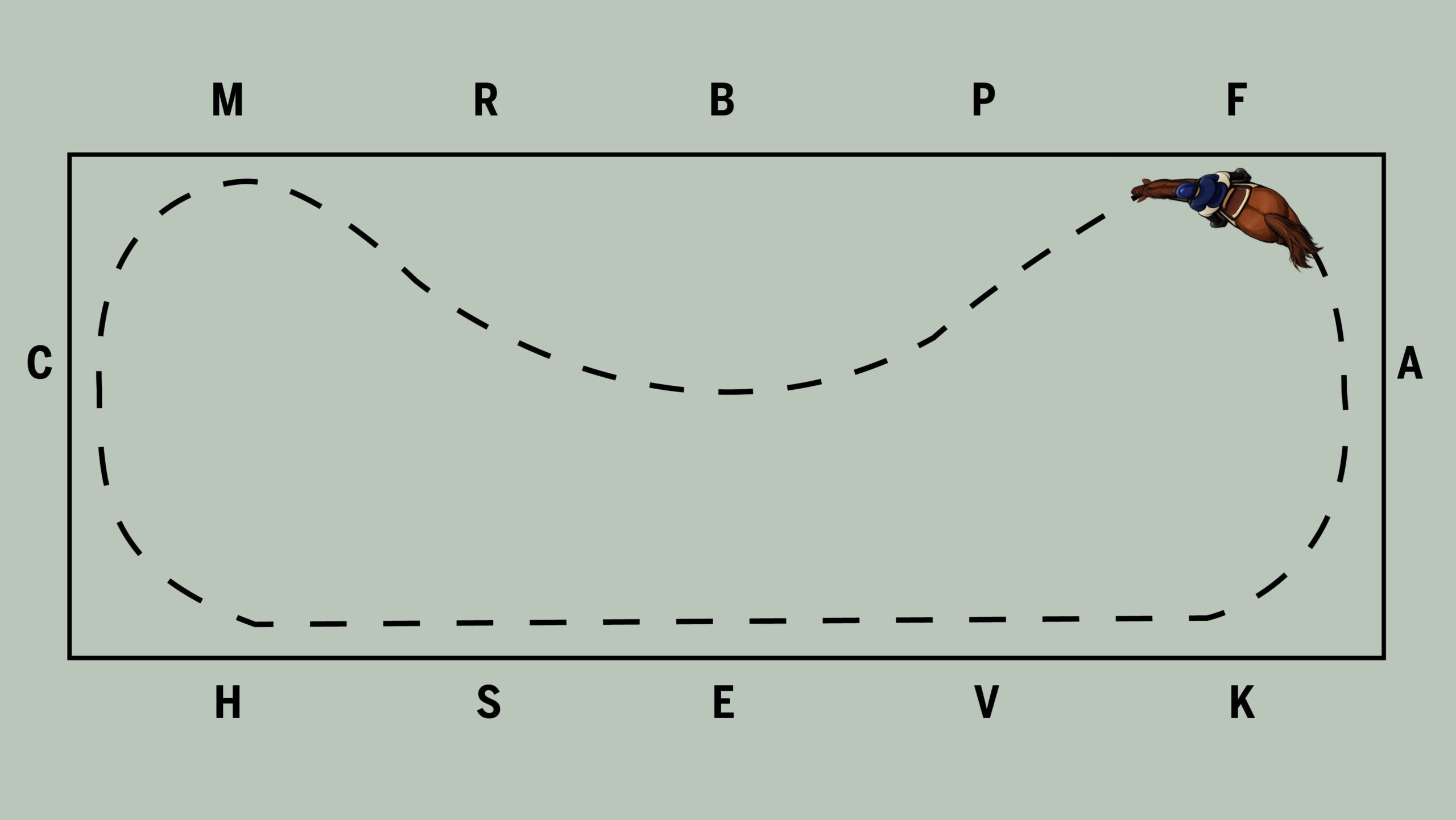
10m loop in a 20x60m arena
2. Prepare and support
This exercise serves to make you very aware of your corner riding. It takes discipline to ride deep into the corner and balance your horse to set him up well to curve away from the track. Look where you are going, be really clear with your inside and outside leg aids and use them to help your horse maintain his shape and rhythm, especially in canter, where outside rein connection is vital. It should feel like you’re using your outside aids to steer him out of the corner and away from the arena wall, and not the inside rein.
3. Not too much bend
Your horse should stay on two tracks throughout the movement; the body should stay straight with no drifting through the shoulder or quarters. If he doesn’t, it’s likely you have asked for too much bend when all you require is slight flexion.
- Enjoyed reading this? For more expert training advice from top riders and coaches, subscribe to the Horse & Hound website
You might also enjoy:

Master the 10m loop to improve your horse’s balance and earn higher dressage marks
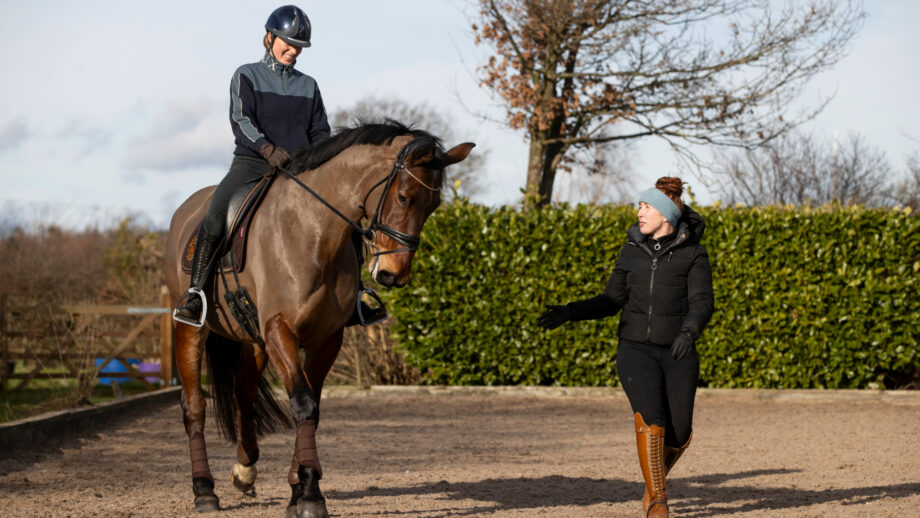
How to ride accurate circles for higher marks – with advice from self-confessed ‘circles geek’ Becky Moody
Subscribe to Horse & Hound magazine today – and enjoy unlimited website access all year round