H&H’s showing editor Bethan Simons speaks up on the need to address questions surrounding equine welfare, which she rates as “showing’s most pressing concern”
With qualifying season well under way, I find myself in an awkward spot as I discuss results. I want to talk about exciting new horses, promising talent and the working hunter course. Sometimes, the food.
I’m not naive. Not everything in sport is rosy; I’m open to discussion and to addressing concerns. But hearing the same old gripes, and having the same troubling conversations is wearing.
Welfare isn’t the only subject of dissatisfaction rippling through currents of conversation in the showing community, but it is the most pressing.
The trouble is, concerned onlookers complaining among themselves doesn’t move us forwards or drive change. Instead, the concern is rendered performative and, ultimately, futile.
At a fundamental level, horsey folk are pretty tough. We get on, heads down and with little fuss. But as horse lovers, responding to any behaviour towards them that makes us uncomfortable isn’t making a fuss, it’s taking responsibility, it’s safeguarding, and it’s necessary. We know this, so why are we reluctant to speak up? To voice our concerns? To report to societies?
Part of the problem is that our rule books need updating. Currently, societies are working hard to update their welfare policies, but such updates can’t impact practice a moment too soon.
These updated rules need to be concrete and without wiggle-room. Recently H&H dressage editor Oscar Williams addressed a similar concern with regard to the welfare rules shaping dressage and I found myself asserting, “Exactly!” as I read.
He asked what constitutes “excessive tension” and who decides? The same is applicable here. What constitutes “excessive work”, “excessive force” or “excessively tight” is currently subjective. So brave is the soul willing to confront perceived offenders in, for example, a collecting ring or between lorries with nothing but conviction to back them up.
That’s why we need firm guidelines from our societies.
“Why not in showing?”
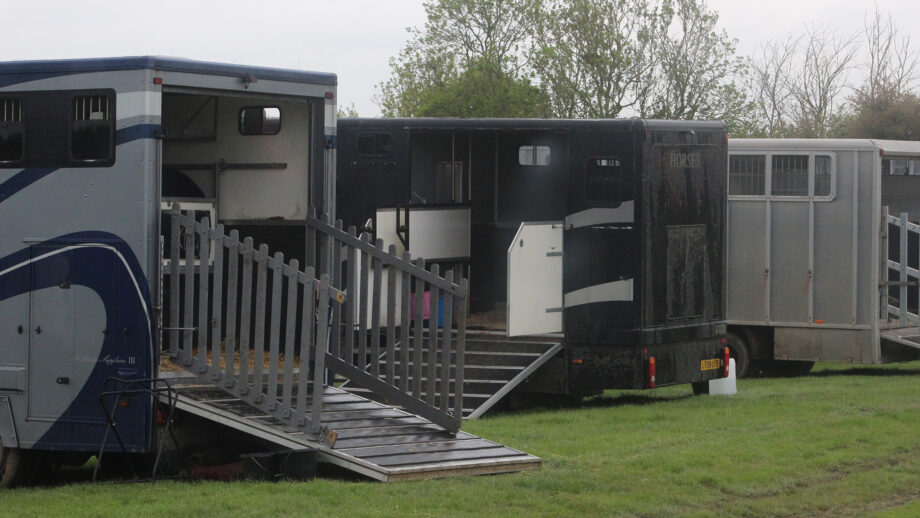
Next, it’s time for stewards on the ground to monitor welfare in our collecting rings, and even more pressingly, in our lorry parks. Such stewards exist in other disciplines for tack checks and the like, so why not in showing? These stewards need to be educated not only in welfare guidelines, but also the rhetoric to deal with offenders.
I struggle to support the “fat police” approaching – and shaming – our young and impressionable, and maintain there’s a better way to address this problem. But I am all for stewards who can intervene when anyone, no matter how much influence they wield, rides a pony obviously too small for them, when horses are worked excessively or in an unsympathetic manner.
Where we find such willing volunteers is a matter for another day.
Complainants and intervening stewards must feel supported. A breach of the rules must spur action from those societies in a one-size-fits-all way. There cannot be differential treatment for anyone. Not judges, not sponsors, not anyone.
Richard Davison argued in a recent H&H column that those who receive sanctions on a welfare basis should receive mandatory education before returning to competition. What a great idea.
I’d add that any person with a cruelty- or welfare-related conviction who wishes to show should receive the same mandatory education before being returning to affiliated events. Given the high standards we expect of judges, members with prior convictions or society sanctions should not be allowed to occupy a position on the panel and of influence, either.
Such moves would send a clear message not only to our showing community, but to society at large and those that hold our social licence that welfare is taken seriously.
To be clear, especially to those outside of showing, most competitors, producers and owners love their animals and have only their best interests at heart. Too often less-than-desirable behaviour stems from pressure to deliver results and, probably, blissful ignorance of the harm caused to the horse and to their own image and reputation.
As the saying goes, “One bad apple spoils the cart.”
We cannot let the behaviour of a few impact the future of a beloved discipline enjoyed in a responsible manner by the majority.
● How would you go about education regarding welfare in showing? Let us know at hhletters@futurenet.com, including your name, nearest town and county, for the chance to have your views published in a future issue of Horse & Hound magazine
- To stay up to date with all the breaking news from major events, as well as exclusive insights from top names, subscribe to the Horse & Hound website
You might also enjoy reading:
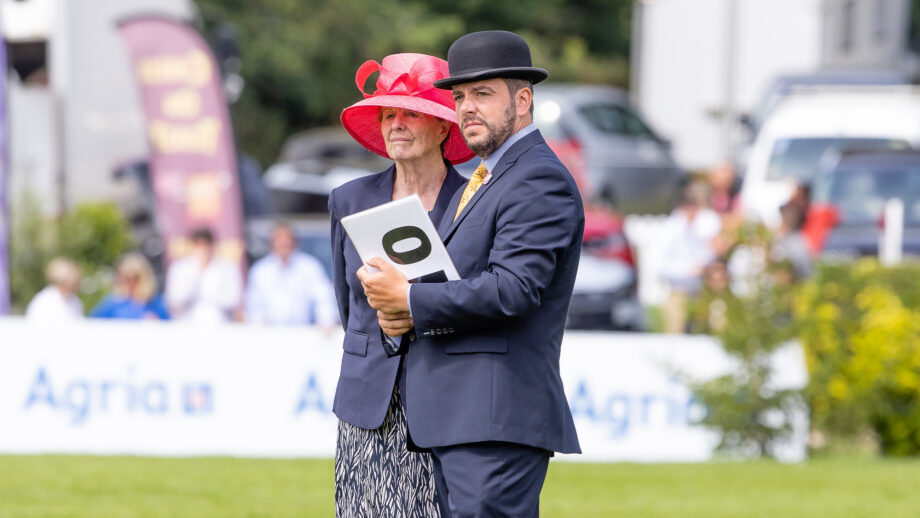
Marking systems in showing – their benefits, flaws and what the future may be
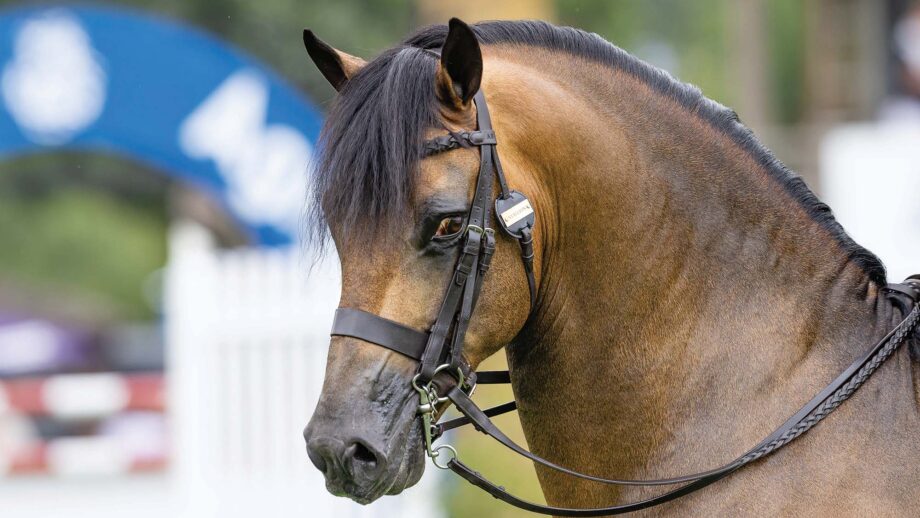
‘Rules should be informed, practical, and evidence-based’ says Rebecca Penny after NPS outlaws a certain noseband
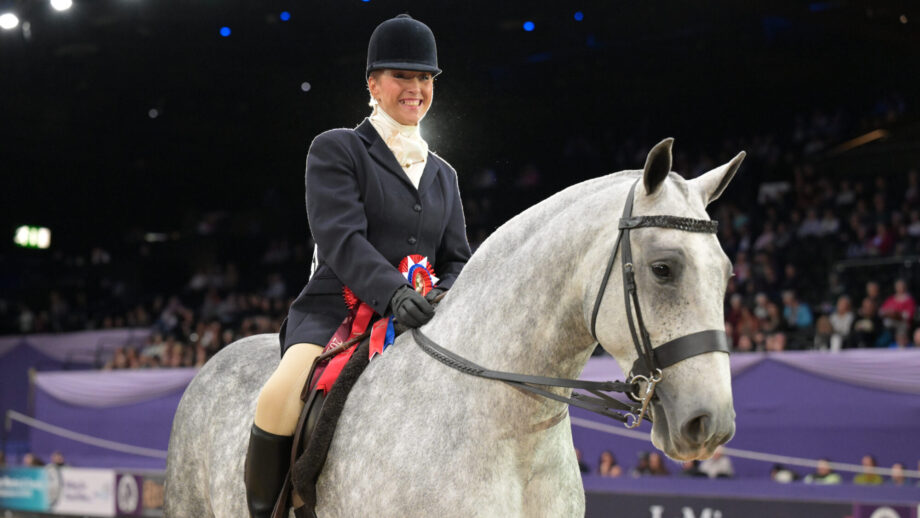
From STARS to HOYS: 13 show ring opportunities for amateurs in 2026
Subscribe to Horse & Hound magazine today – and enjoy unlimited website access all year round