Cotswolds-based National Hunt trainer Kim Bailey reflects on recent racing action ahead of the Cheltenham Festival and the steps needed to ensure the best possible future for racehorses on their retirement from the sport
It’s been wet, wet, wet! But it was good to see racing beat the odds on Saturday 7 February at both Newbury and Warwick. Credit must go to the teams who were working mighty miracles to ensure their meetings went ahead.
Warwick’s ground wasn’t too bad and it produced some exciting racing and drama right to the line. Newbury, by contrast, looked very testing indeed and the results often reflected that, with several races decided by wide margins (see report, p54 of 12 February H&H magazine).
The Cheltenham Festival really was the theme of the day. The Denman Chase was won from the front by Haiti Couleurs, while the Game Spirit Chase was won in striking fashion by Lulamba. Just when he looked unlikely to get there, he powered clear late on. He now looks bound for the Arkle Chase and better ground could make a significant difference to him.
Talking of ground, the William Hill Hurdle was won in commanding style by Paul Nicholls’ Tutti Quanti, who made all under top weight and did so most impressively. Nicholls clearly feels that very soft ground is the key to him and if conditions fall his way, he could yet enter the Champion Hurdle picture.
Looking back a couple of weeks, you also must marvel at the Dublin Racing Festival. After flooding threatened the meeting, they shifted racing to Sunday and Monday and still produced top-class sport, with reputations made and broken in testing conditions.
What struck me most was the toll it took, with horses pulling up just strides after the line. They will certainly know they’ve had hard races and, with Cheltenham only weeks away, perhaps it might even give the English trainers more realistic chances?
“It didn’t read well for the sport”
Racing often finds itself looking over its shoulder and one area that has attracted publicity recently is the retirement of racehorses and where they end up. Unfortunately, there was a slight disaster when Sprinter Sacre made the headlines for all the wrong reasons.
The incident surrounding payment for his veterinary fees and a GoFundMe page was all down to a lack of communication, but regardless, it didn’t read well for the sport. Thankfully, through Nicky Henderson it was quickly resolved.
We have just retired Two For Gold. Now 13 years old, he won 11 races, ran at the Cheltenham Festival, contested the Grand National and won and ran several times at Ascot. All in all, he has been a most remarkable horse to be involved with.
When we retire our horses, they go with a non-racing agreement. The people who take them on are heavily vetted by my wife Clare, and the conditions are very clear: the horse must be properly looked after, we must be kept informed of how they are getting on and there has to be ongoing communication.
We never sell our retired horses, because once you sell a horse, you lose all control. This way, we retain some influence over their future.
Racing has absolute responsibility to look after horses when their racing careers end, but when you consider how many horses retire every year, it’s easy to see what a challenge this is for trainers and owners alike.
But we are very lucky that the Retraining of Racehorses programme is expanding and with the help of many, including David Howden and the Thoroughbred Aftercare Programme, there are many more options open as to where our old warriors go.
Wonderful result
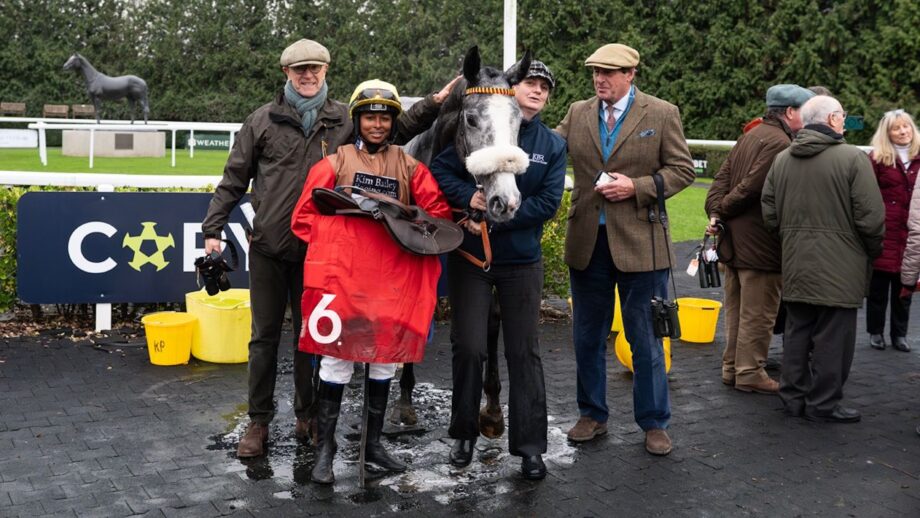
Life is so often about being in the right place at the right time and for young Aamilah Aswat, her moment came and she took it, when becoming the first female black jockey to ride a winner over hurdles at Kempton last week, on Guchen.
Aamilah has been working here for four years, works incredibly hard, schools beautifully and thoroughly deserved her opportunity. But chances in racing are hard to come by. Unless your parents are trainers or wealthy owners, getting started is incredibly difficult.
She was fortunate that Sir Francis Brooke organised a charity race for the Ebony Horse Club, of which Aamilah was a part, and it was only right that she rode the horse once she became a licensed jockey.
After four rides, the first three being valuable learning experiences, she put everything together to win – a wonderful result for her, for the charity and for the publicity it has generated. It proves a simple truth in racing, as in life: without that moment of opportunity, the struggle to get going can be immense.
● Let us know about your former racehorses in their second careers, at hhletters@futurenet.com, including your name, nearest town and county, for the chance for their story to appear in a forthcoming issue of the magazine
- To stay up to date with all the breaking news from major events, as well as exclusive insights from top names, subscribe to the Horse & Hound website
You might also be interested in:
‘Hopefully this is just the beginning’: young jockey blazes trail with historic victory
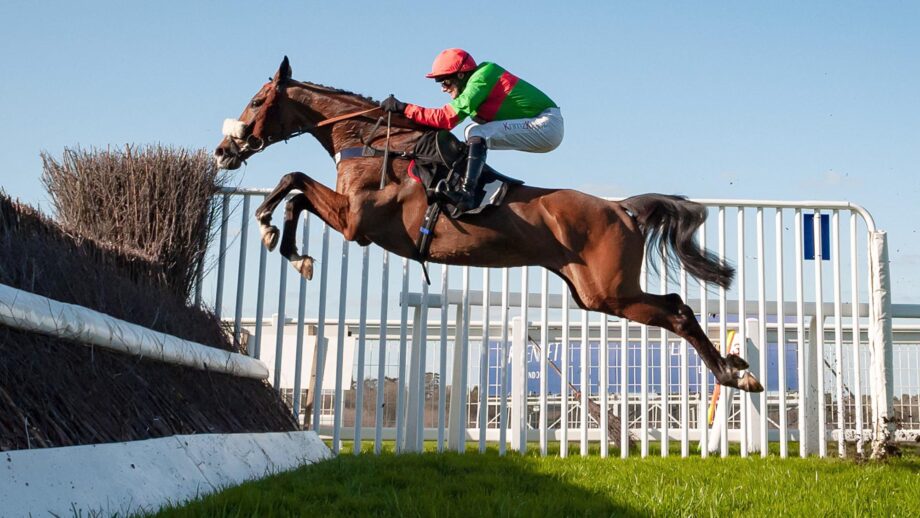
Much-loved ‘quirky’ Grand National runner retires aged 13: ‘A remarkable horse to be involved with’
Grand National runners, riders and complete form guide for 2026, including a former winner ruled out on Thursday morning

Subscribe to Horse & Hound magazine today – and enjoy unlimited website access all year round