Horse care tips
Go straight to horse care tips from Horse & Hound
As dedicated horse owners, we are always looking to do the best for our equine partners, to ensure they are kept in the best of health.
Horse care tips from Horse & Hound experts and fellow readers can help ensure your horse is in peak condition while maintaining their wellbeing. You’ll also find it’s possible to save money without damaging your horse’s welfare.
So whether you’re looking for ways to save on your livery bill, wondering when to start bringing your horse in at night or looking for advice to make the winter months less arduous, we can help.
Join in horse care discussions on the H&H forum
If there is a topic that you would like advice about, but you can’t find it by searching our website (click on the magnifying glass top right to search), then let us know by emailing our website editor and we will see if we can help.
-

-
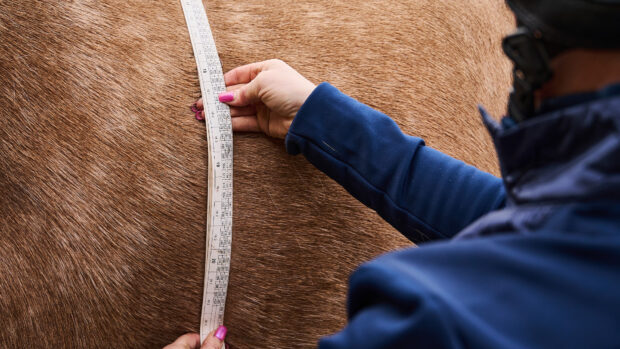
17 ways you can help your horse lose weight
-
5 tried and tested tips to clean muddy feather – and keep them sparkling
-
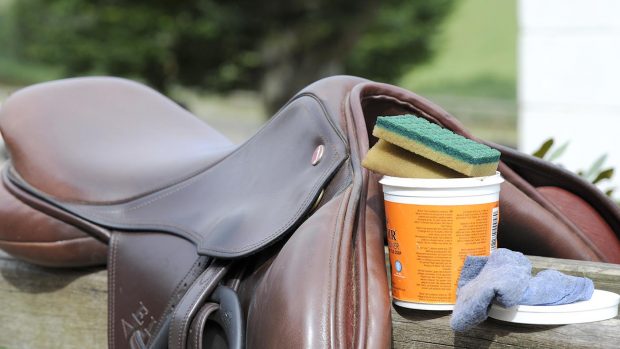
6 simple steps to supple and sparkling tack
-
5 effective ways to occupy stabled horses when turnout is reduced
-
How making small changes could benefit your horse, the environment and your bank balance
-
13 hacks and tips to make winter horse care easier
-
Owners warned of ‘notable rise’ in worm egg counts this autumn
-
Equine eyesight questions answered, plus vets share advice on common vision problems to look out for
-
How to wash your horse’s rugs at home – and what’s best to use
-
Which rug should I put on my horse? H&H’s helpful guide to help you decide
-
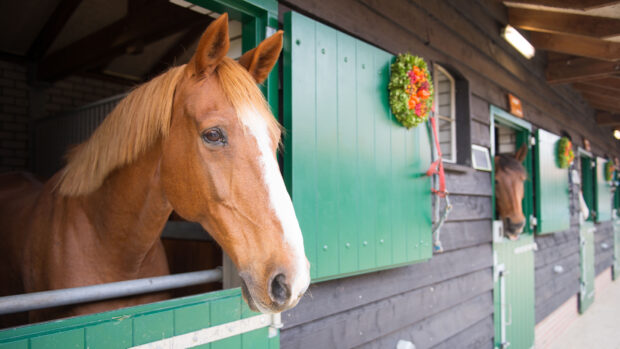
How to keep stabled horses happy and healthy
-
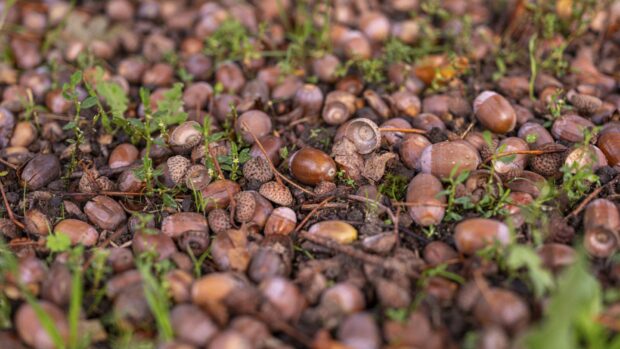
Why horse owners need to be on high alert thanks to a bumper crop of acorns in the UK
-
Dreaming about building your own stables? Here’s how much they could cost... *Sponsored*
-
Building your own stables? Find out what H&H readers who have been through the process want to share... *Sponsored*
-
Rainwater harvesting for equestrians: how your stable roof could be the ultimate water recycling tool – and help save you money
-
How to keep stables cool in summer including construction, ventilation and post-build tips from industry experts *Sponsored*
-
8 things I recommend to keep your horse comfortable in their stable when the temperatures soar *Sponsored*
-
Hosepipe ban in the UK: what does this mean for horse owners?
-
How Harry Meade feeds his champion event horses