Advertisement Feature
Remember to weigh before you worm
Worming horses accurately according to their body weight is crucial to help the treatment work as effectively as possible. Yet, according to a new survey, horse owners are still not weighing before they worm.
“Under-dosing is a cause of resistance so it is important to treat horses accurately according to weight, to maintain the effectiveness of the wormers currently available,” explains Wendy Talbot, vet at Zoetis.
This means that ideally, every horse should be weighed before giving a worming dose. However, according to the British Riding Clubs Horse Health survey1, commissioned by Zoetis and conducted earlier this year, 44% of the horse owners asked do not weigh their horse before worming.
Resistance is said to occur when a parasite population previously controlled by a drug is no longer susceptible to it. The active ingredient of the horse wormer kills the sensitive parasites in the population, but those parasites not affected go on to create new generations of resistant parasites. In this way, the wormers that we use will gradually become less and less effective.
Wendy Talbot, continues: “Under-dosing can cause resistance to occur, as can too frequent dosing or the use of a wormer to which there is already significant resistance. In adult horses the most important parasite which we aim to control is the small redworm (cyathostomins).
“Dosing accurately, according to weight on a ‘need to’ basis, by using regular faecal worm egg counts, is key to managing the issue of resistance in this parasite. Simple things like knowing the weight of the horses that you wish to treat before purchasing your wormers can ensure that you have enough product to dose accurately in each case.”
The most accurate way to weigh your horse is by using a weighbridge – several feed manufacturers offer a portable weighbridge service. If you don’t have access to a weighbridge then using a weigh tape will help make sure you dose your horse as accurately as possible every time.
Now is the time to treat your horse for encysted small redworm, tapeworm and bots, none of which will show up in a faecal worm egg count. Speak to your vet or SQP for advice about worming and visit www.esrw.co.uk for further information.
The British Riding Clubs Horse Health Survey, commissioned by Zoetis, was completed online by 559 horse owners in the UK, during February 2014. The survey contained 21 questions on general horse health, care and management.
Visit: www.esrw.co.uk
Never miss out on the latest happenings in the equestrian world
-
‘Having a carer is not a freebie’: concerns raised over disabled ticket pricing at equestrian eventQuestions have been raised about accessible ticket prices for Your Horse Live
-

British debutant pilots his ride to second in young event horse World Championships at Le Lion d’AngersBritish-bred Bueno, ridden by Hector Payne, finished on his dressage score to take the runner-up spot at Le Lion
-
When forage runs short: smart, safe ways to keep your horse thriving this winterIf you're concerned about a lack of forage this winter, Dengie is here to help
-

What does five-star parasite control look like?Five-star event rider Sarah Bullimore has trusted Westgate Labs with her horses’ parasite control for more than 20 years. The same evidence-based approach is available to every horse owner.
-
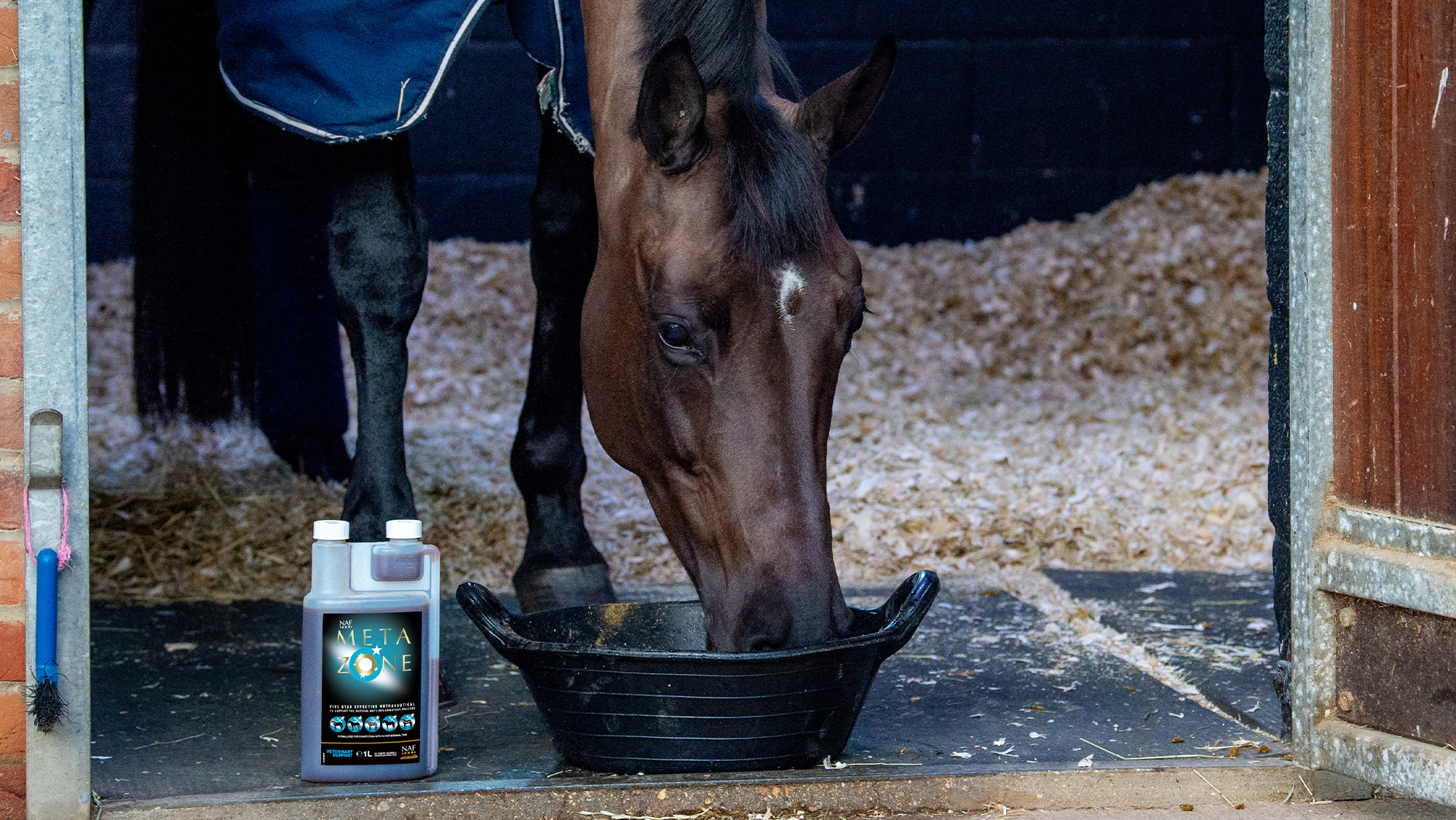
Help your horse stay in the zone this competition season -
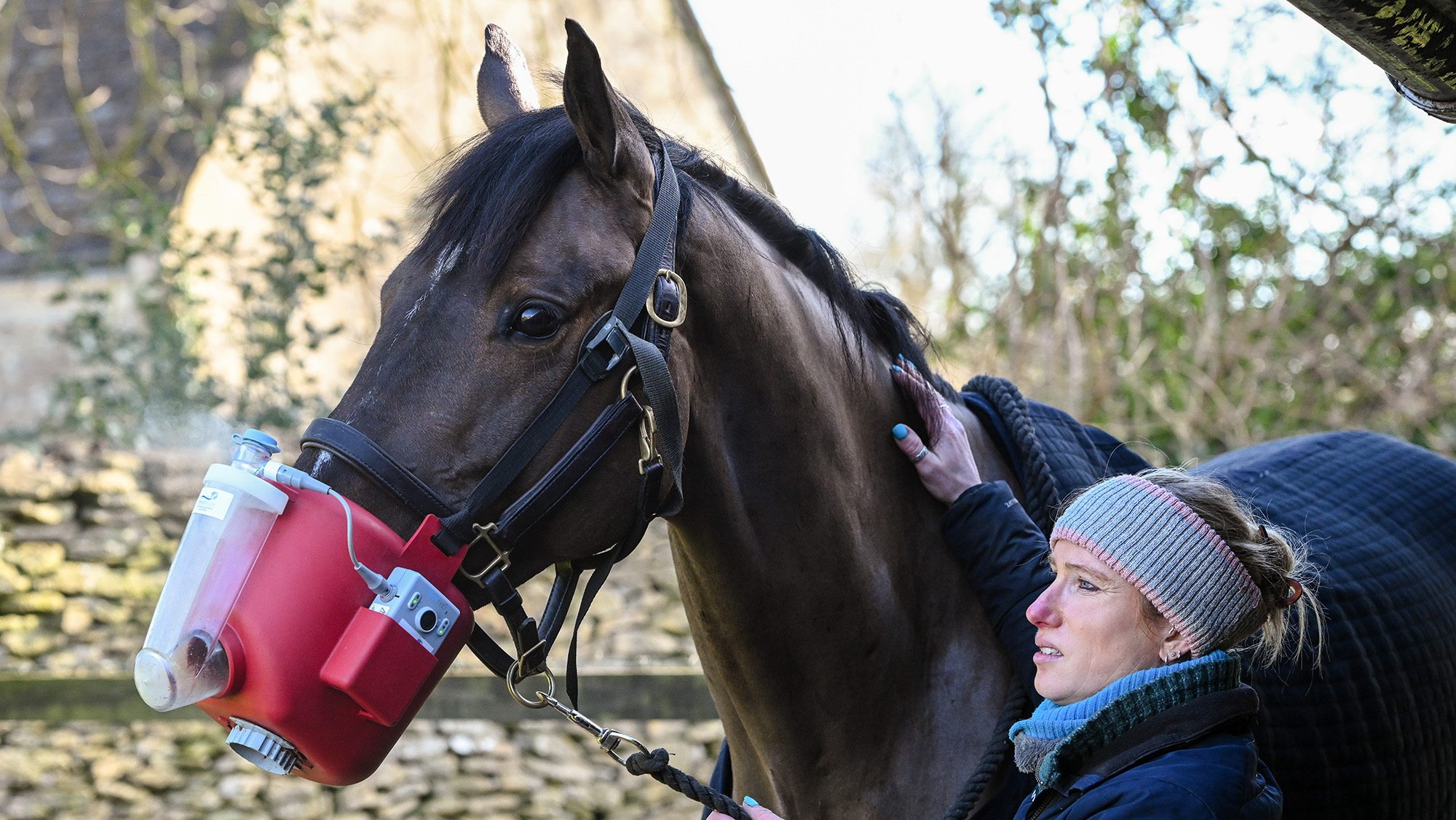
Performance begins long before the start box: preparing horses for peak performance with Harry Meade -

Don’t forget this key ingredient in a stress-free show day -
Is your horse trying to tell you something? -

The three most-common horse insurance questions answered -

Get ahead of spring and summer respiratory resultsSponsor Content created with