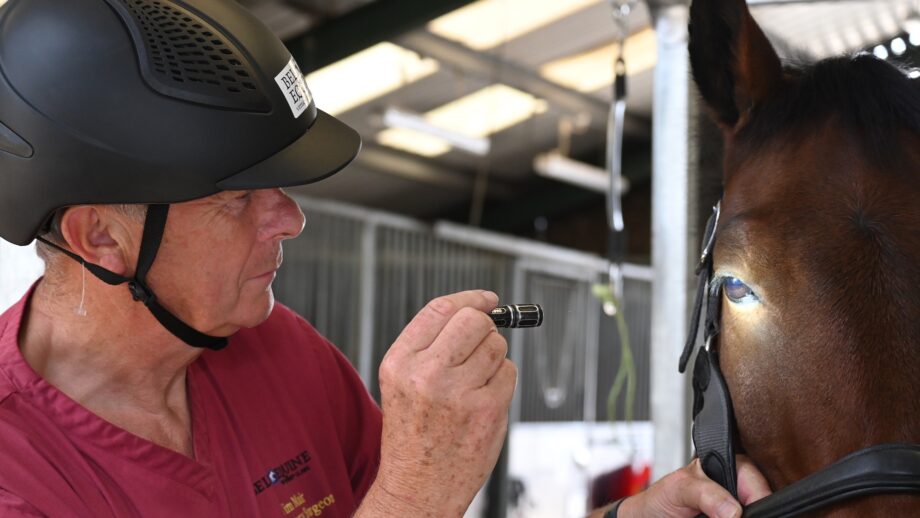
Horses’ and other animals’ vision is at risk from the growing threat of antibiotic resistance, researchers have warned – and prevention of eye issues is key.
A veterinary review published in Veterinary Ophthalmology found that sight-threatening antibiotic-resistant eye infections are “becoming a significant threat to vision in dogs, cats, and horses”.
The research, conducted by Lionel Sebbag and Oren Pe’er of the Koret School of Veterinary Medicine at the Hebrew University of Jerusalem, aimed to consider antibiotic resistance in veterinary ophthalmology, with a particular focus on bacterial corneal infections that can threaten vision within hours.
The team is calling for earlier diagnostic testing, more targeted antibiotic use, stronger infection-control measures and strategies to help preserve antibiotics for future patients.
“Antimicrobial resistance is no longer a theoretical concern in veterinary ophthalmology,” the authors note. “It is a clinically significant and evolving reality.”
Drs Sebbag and Pe’er told H&H horse owners may often think of antibiotic resistance as a problem in human medicine.
“But it’s increasingly becoming an equine one as well,” they said. “Every responsible antibiotic decision today helps preserve these sight-saving treatments for the horses that will need them tomorrow. For a horse, vision loss can be life-changing, so protecting the effectiveness of antibiotics isn’t just about combating resistance, it’s about safeguarding vision, welfare, performance and quality of life.”
Bacterial keratitis, a serious infection of the cornea, is among the most urgent emergencies in veterinary eye care. Antibiotics are still the “cornerstone of treatment” for the condition but the researchers found “mounting evidence that many of the bacteria responsible for these infections are becoming increasingly resistant to commonly used drugs”.
The researchers considered studies conducted across the world to identify Staphylococcus pseudintermedius, Beta-hemolytic streptococci and Pseudomonas aeruginosa as the most commonly isolated bacterial pathogens in companion animals.
Antibiotic resistance: common strains
“Particularly concerning is the rising prevalence of multidrug-resistant strains, especially in referral and speciality care settings where the most severe cases are concentrated,” the authors said.
“One of the most consistent findings across studies was the impact of previous antibiotic use. Animals that had recently received topical antimicrobial treatment were more likely to harbour resistant bacteria and less likely to yield positive culture results, making accurate diagnosis and targeted treatment more challenging.
“The review also highlights a surprising gap between laboratory testing and real-world clinical outcomes. Standard antimicrobial susceptibility tests are largely based on how antibiotics behave when administered systemically, yet eye drops achieve very different drug concentrations at the ocular surface. As a result, laboratory susceptibility reports may not always accurately predict whether a treatment will succeed or fail in clinical practice.”
The researchers said lab results should always be considered alongside vets’ clinical observations, the severity of the condition and the patient’s history. They said it is crucial to take microbiological samples when possible to help inform treatment decisions.
“Beyond the immediate clinical implications, the review places antibiotic-resistant eye infections within a broader one-health framework,” the researchers said.
“Some bacterial species commonly found in animal eye infections have recognised zoonotic potential; they can be transmitted between animals and humans. The authors note that veterinary clinics, equipment and even households can serve as environments where resistant organisms circulate, highlighting the importance of rigorous hygiene and infection-control practices.”
The review recommends treatment that avoids antibiotics, such as antiseptic and ultraviolet-based treatment.
Preserving the crucial drugs
“The goal is not simply to resolve the current infection,” the authors said, “but to preserve therapeutic reliability for future patients.”
H&H vet Karen Coumbe said horses are particularly prone to eye disease as their large eyes are exposed to dust, dirt and irritation from flies, especially in summer.
“Antibiotics should not be the first line of treatment for any sore eye, despite it being perceived by some as a quick fix,” she said. “Vets should examine a horse before prescribing antibiotic medication, including eye ointment and drops. Paradoxically some antibiotic eye ointments can still be bought over the counter without veterinary involvement.
“While I would not recommend over-the-counter eye antibiotics, it remains common practice and can certainly cause more serious problems in some cases. Eye disease should be taken seriously and consider other options instead of immediately trying antibiotics.
“Prevention is equally important; simple measures such as fly masks and avoiding haynets that allow debris to fall into the eyes help reduce the risk of disease.”
- For unlimited access to expert advice on how best to care for your horse, subscribe to the Horse & Hound website
You may also enjoy reading:

Equine eyesight questions answered, plus vets share advice on common vision problems to look out for

Action must be taken as we ‘stand on a precipice’ in horse and human health
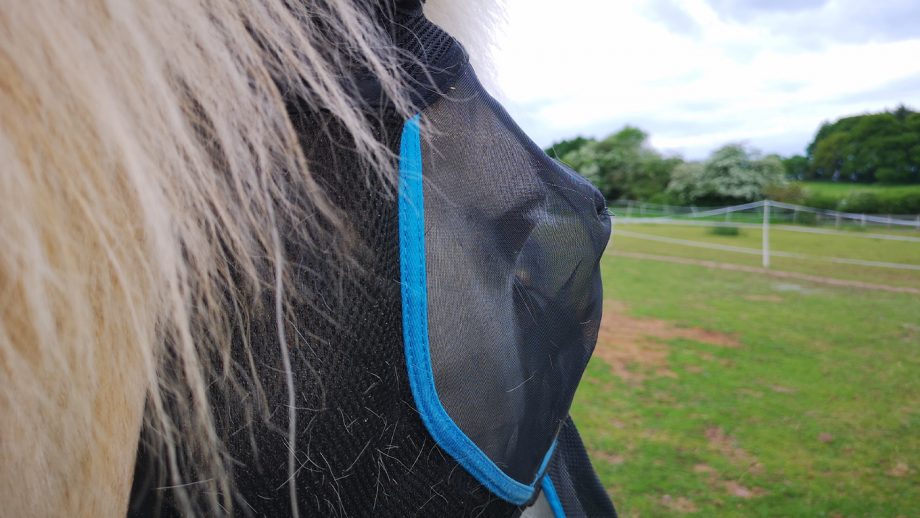
Find the perfect fly mask to keep your horse comfortable all summer long

Stark warning of more colic deaths unless owners act to avoid worming ‘Armageddon’
‘We’re on a slippery slope, and what’s at the bottom is not an appealing picture’

Antibiotic resistance: 6 ways to lower the risk to your horse
Here is Mark Bowen MRCVS’s advice for protecting your horse against the ever-growing threat of resistance against antibiotics

Why do horses wear sunglasses?

Subscribe to Horse & Hound magazine today – and enjoy unlimited website access all year round