“Don’t ignore your horse’s ‘off days’” is a key message behind a new campaign aiming to bust lameness myths and help UK owners – and horses.
Educational resource Talk Lameness, launched by Hallmarq Veterinary Imaging, is aiming to help owners become more confident in spotting subtle signs of lameness, which can mean sooner identification and treatment of any issues.
“For any horse owner, noticing their horse is ‘just not quite right’ can be a worrying and confusing experience,” a Hallmarq spokesperson said. “Is it simply stiffness? A training blip? Or the first sign of a more serious issue?
“Talk Lameness’ aims to cut through the uncertainty by addressing the top misconceptions surrounding equine lameness, empowering owners with the knowledge they need to have better conversations with their vets.”
Talk Lameness features quizzes, webinars and other expert advice, all aimed at boosting owners’ understanding. The team has also been busting common lameness myths, the first of which is that a horse would be lame if he was in pain.
“Horses are stoic animals and masters of compensation,” the spokesperson said.
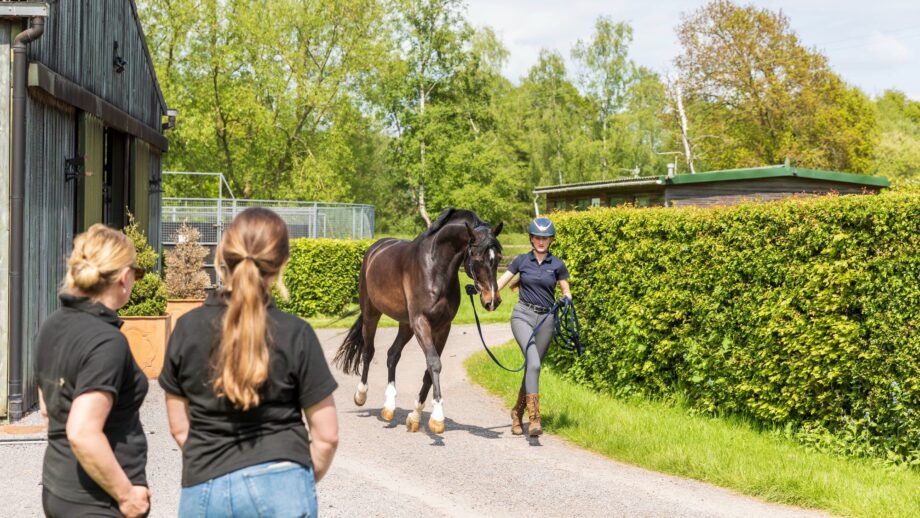
“Some horses do not ‘limp’ in an obvious way. Instead, pain might manifest as a shorter stride, resistance in transitions, a change in rhythm or even a grumpy attitude under saddle. They can shift their weight or look better after warming up, effectively hiding a subtle problem.”
The second myth is “It’s probably just stiffness or a training problem”.
“While horses do get stiff, it’s easy to mistake lameness for a training issue,” the spokesperson said. “Lameness can look like a training problem, stiffness or a change in attitude. Signs like reluctance to work on one rein, uneven contact or a drop in performance can all be valuable clues pointing to an underlying physical discomfort.”
Myth three is that lameness is always visible in a straight line, when issues often show up more clearly under saddle, on one rein or on a certain surface.
“Observing your horse in different situations is key,” the spokesperson said.
The fourth myth concerns horses who are “fine” once they have warmed up.
“‘Warming out’ of a problem is a classic sign of some types of lameness,” the spokesperson said. “Horses are good at coping. This apparent improvement can be a deceptive trap for owners, as the underlying issue remains and can worsen over time.”
Lameness myths busted
The final myth is that owners can do nothing until the vet arrives.
“Owners are the most important eyes and ears when it comes to their horses’ health,” the spokesperson said. “The goal is to support a better vet conversation and a clearer plan. By carefully observing and noting when, where, and how their horse feels not right, owners gather crucial information that helps the vet decide on next steps.”
Hallmarq said the initiative is not designed to diagnose but to support owners.
“Getting answers starts with knowing what to look for,” says Carina Northern, Hallmarq equine sales director for the UK and Europe. “We want to move away from worry and confusion and towards clarity and confidence.
“By understanding these common myths and using the free resources available on our website, owners can become proactive partners in their horses’ health and wellbeing.
“It’s all about empowering owners to feel confident and, crucially, to seek appropriate vet treatment and imaging if their horse is suffering with an issue.”
- To stay up to date with all the breaking news from major shows throughout 2026, subscribe to the Horse & Hound website
You may also be interested in:

‘Feeding straights isn’t better’ and another horse nutrition myths busted

Top vet reveals her pet hates: purple spray, horses dismissed as ‘naughty’ and owners who ‘miss every memo’

‘Reluctance and ignorance can mean signing horses’ death warrants’: top vet busts laminitis myths

Leaving water on a horse will not make it hotter: expert busts the scraping myth

Subscribe to Horse & Hound magazine today – and enjoy unlimited website access all year round