

The natural behaviour of horses is governed by the smell of hormones and pheromones. The hormone oxytocin is known to naturally reduce fear and anxiety and cause calmness, positive social behaviour and bonding. It also helps to reduce blood pressure and cortisol levels. Oxytocin is beneficial to health.
It is believed that PAX AROMATIC CALMER imitates the smell of the pheromone which immediately stimulates the natural production of oxytocin.


-
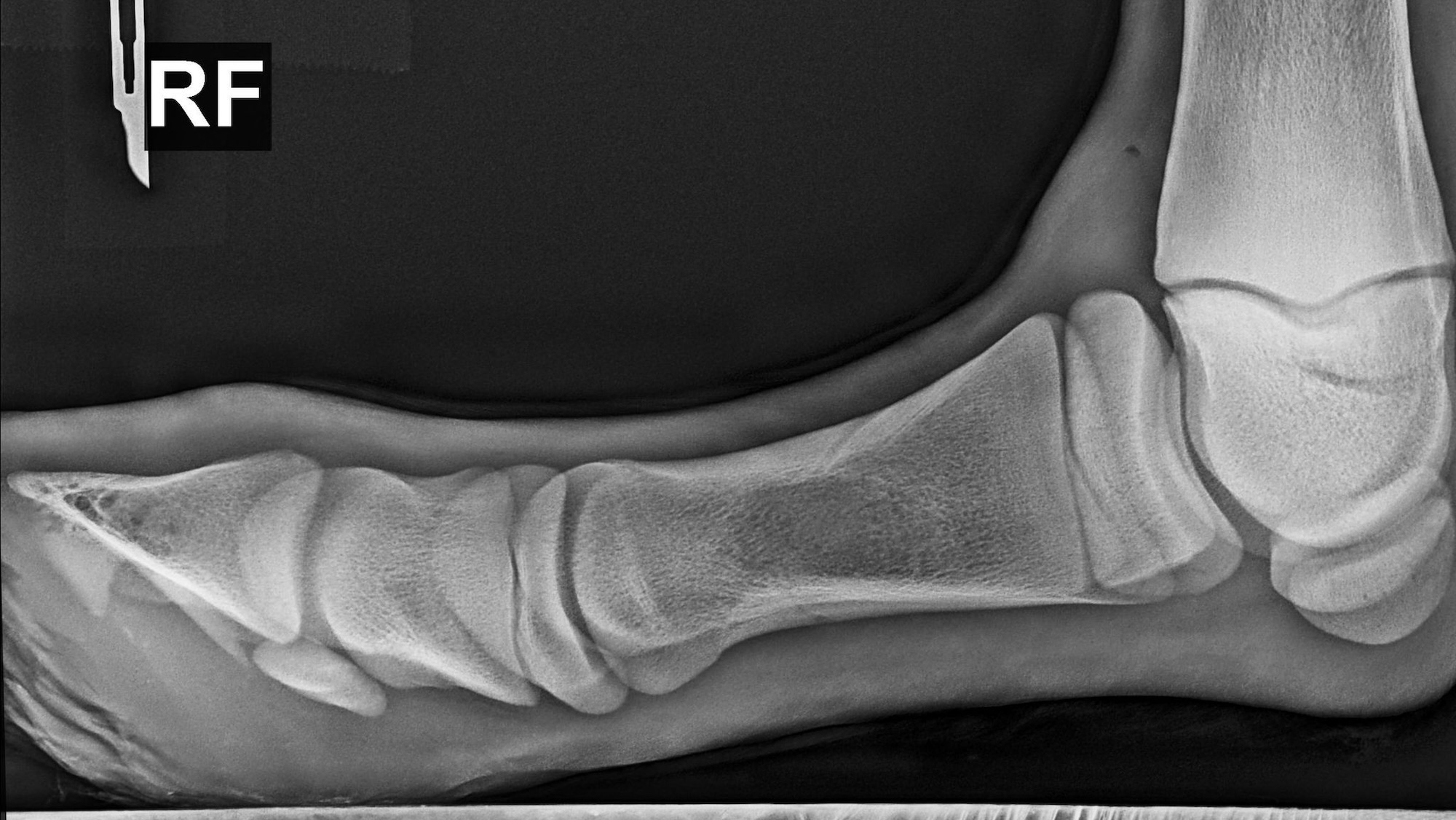 ‘We had to try’: orphaned foal born with feet ‘pointing to heaven’ and facing euthanasia saved by dedication of her top team
The filly was orphaned hours after her birth and had significant issues but her vet, farrier and owner worked together to save her
-
 Olympic medallist Tom McEwen springs back to the top at Blenheim Horse Trials with exceptional young talent
Tom McEwen and Brookfield Danny De Muze lead the young horse CCI4*-S for much of the dressage – and are back on top at Blenheim Horse Trials following a picture-perfect showjumping round


-
 Mindfulness with horses is one of the most powerful training tools you have… and it doesn’t cost a thing
 -
 ‘Be the catalyst for fun in your horse’s life’: Emma Massingale’s expert tips to get a horse to tune in and listen to you
 -
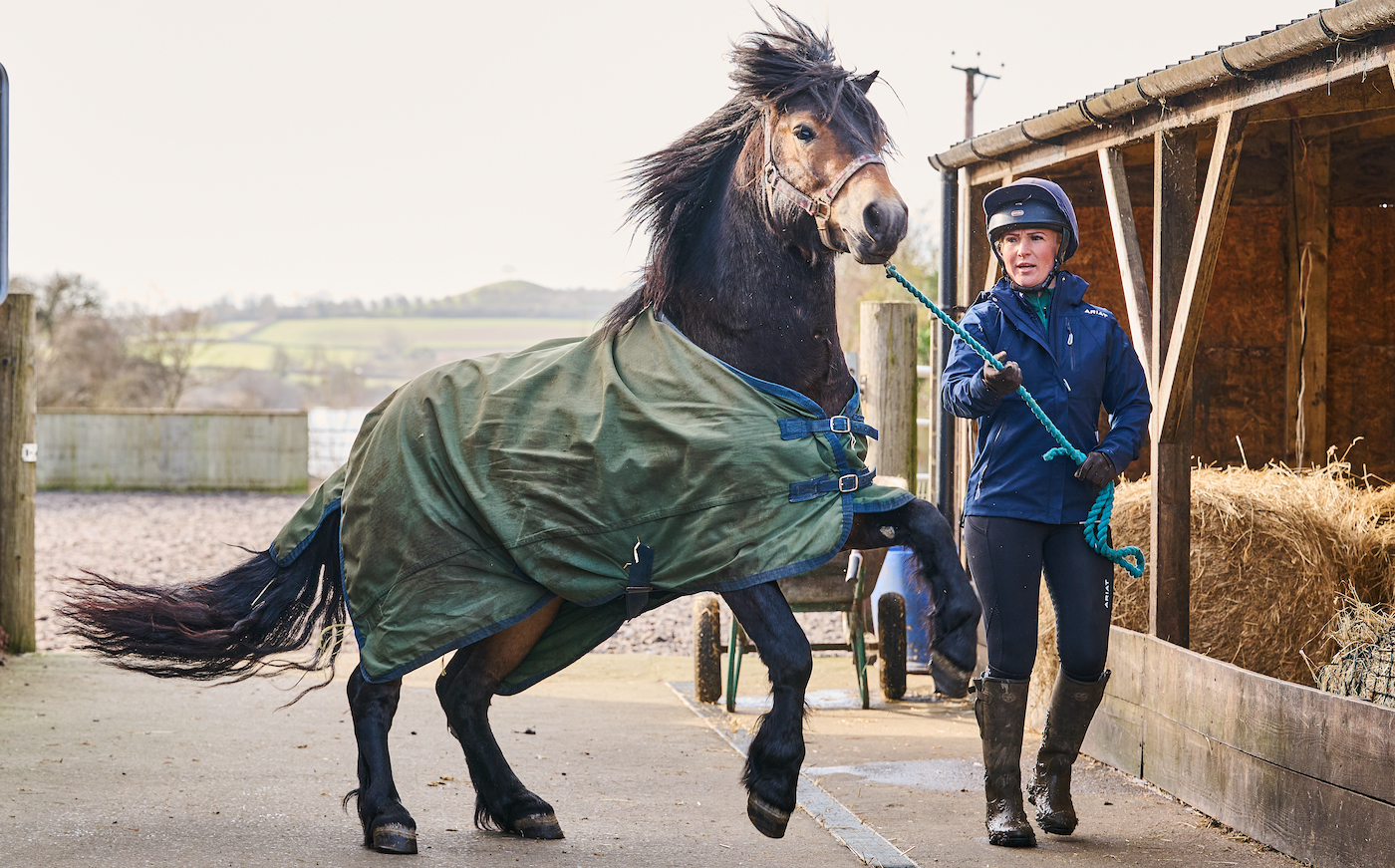 Build your confidence in handling horses on the ground, whether you’re a rider or the vital helping hand
Being competent around horses isn’t just about self-belief in the saddle. Many people who manage horses on a regular basis only ever do so from the ground, but it’s imperative you have the self-assurance and experience to handle them confidently. In the second part of this exclusive series on confidence for H&H subscribers, we take a look at four ways to improve your handling skills
-
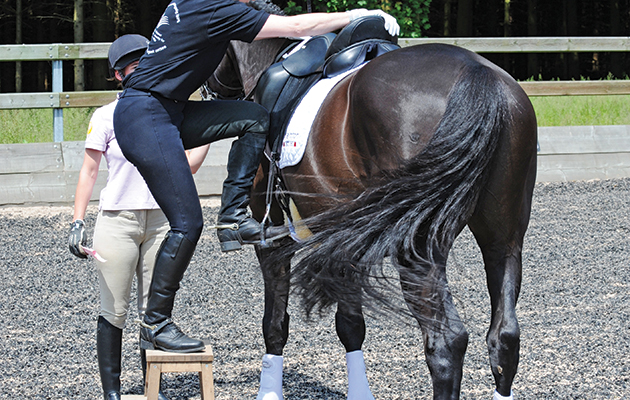 How to teach your horse to stand still for mounting
 -
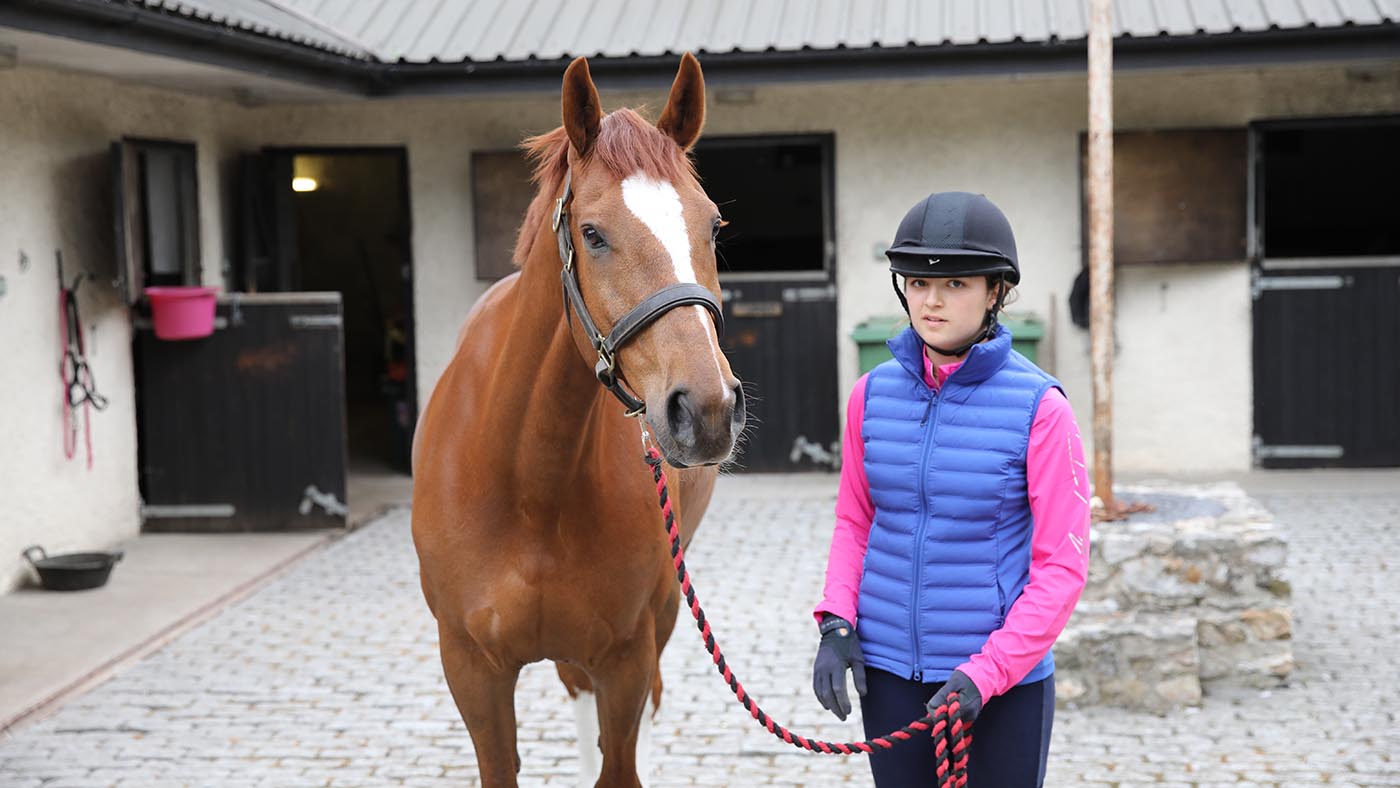 How to stop your horse being pushy on the ground – and train him to stand when tied up
 -
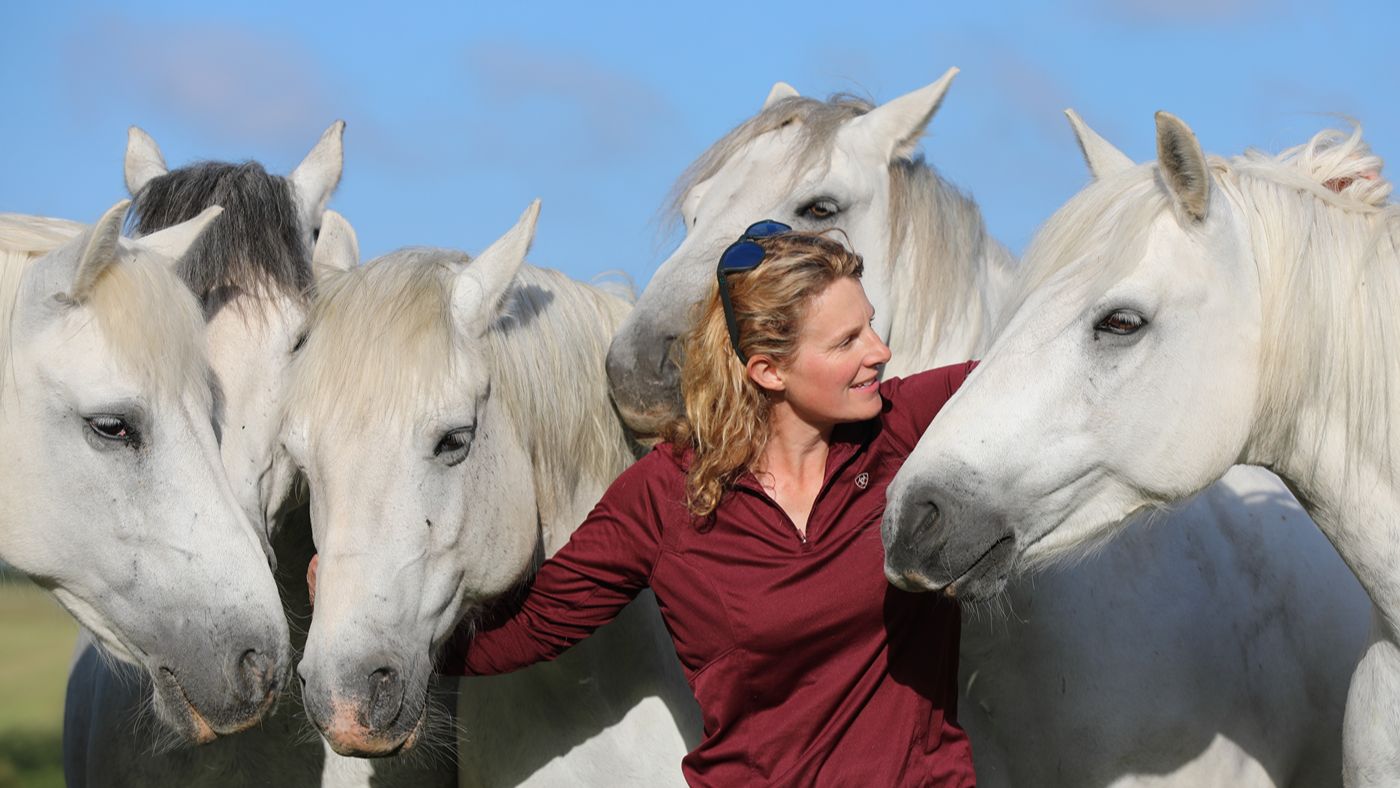 Interested in working horses at liberty? Here’s what you need to know about its history, approaches and best practice from expert horse trainers
 -
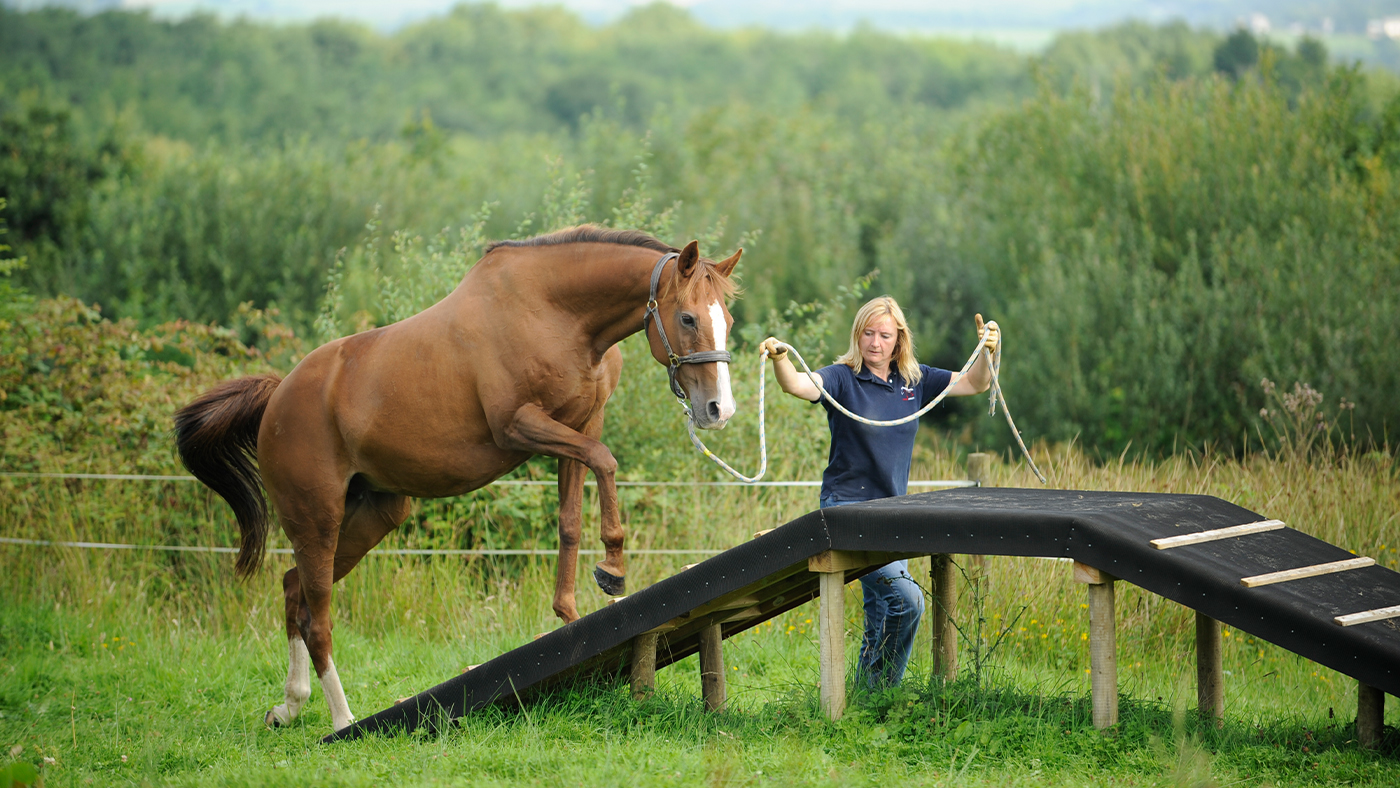 Fancy trying your hand at horse agility? Here’s what you need to know first…
 -
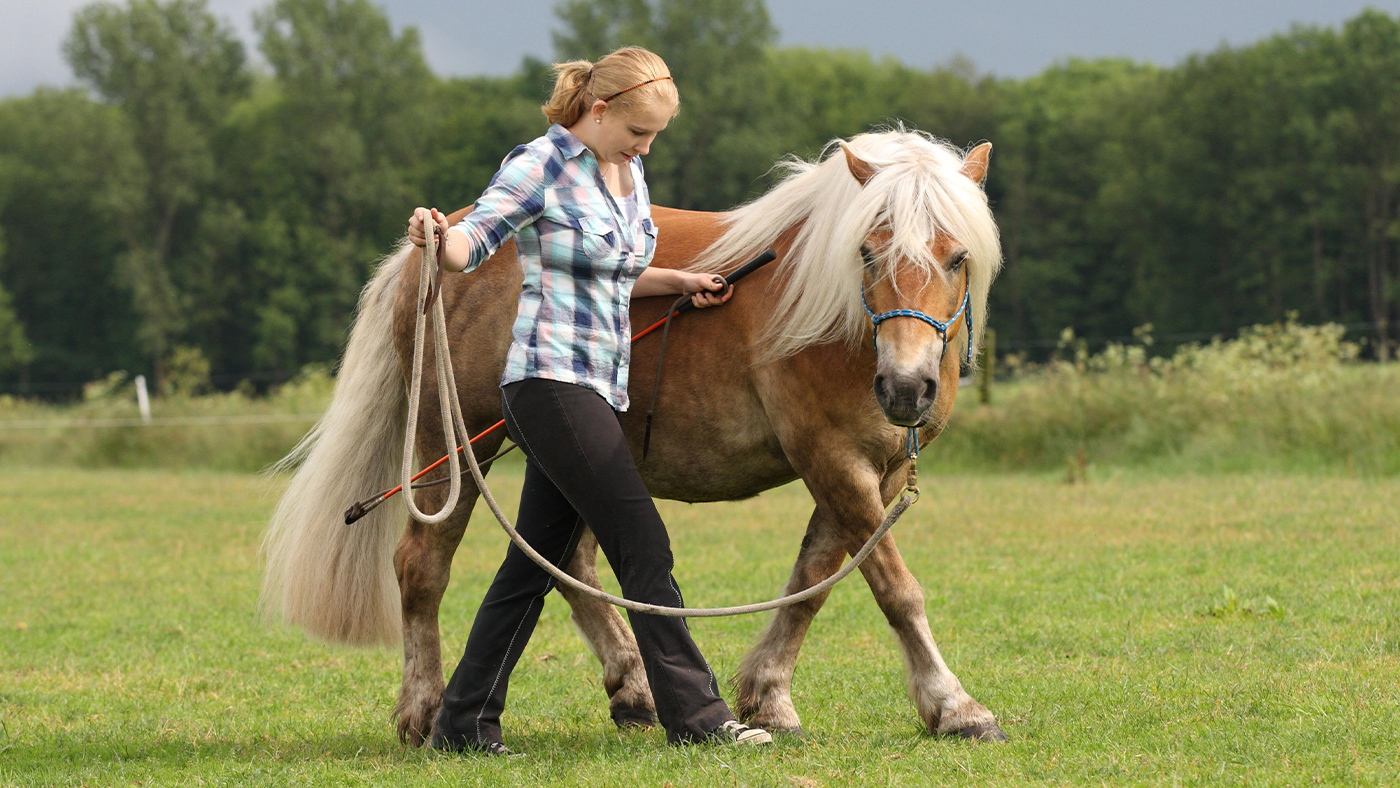 Natural horsemanship: ‘just good, common sense horsemanship’ or something else?


