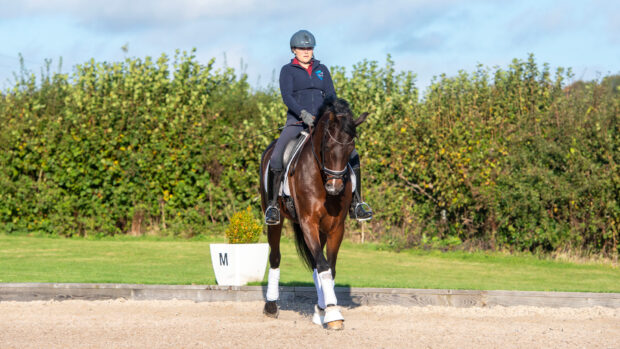
We know straightness is a crucial element of how our horse goes, and one of the scales of training. Canter, being asymmetrical, is the hardest gait to achieve straightness, with many horses falling out at the shoulder and swinging the quarters in.
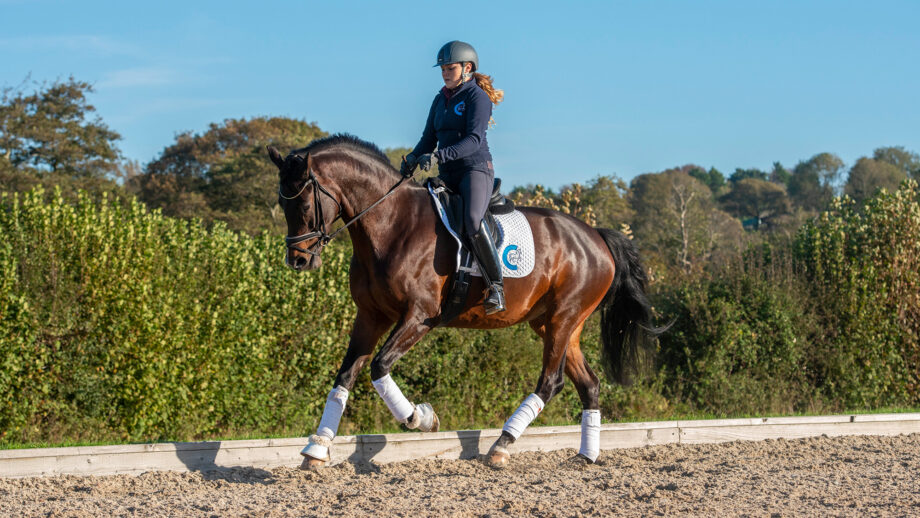
This flatwork exercise uses shallow loops to straighten the canter, improving engagement and encouraging your horse to accept the outside aids. Straightness still applies when the horse is bending. The horse is straight if their hindlegs are following their front legs travelling on the same two tracks in self-carriage.
Quarters-in is a common fault at lower levels. As the outside hindleg strikes off (and starts each canter stride sequence), it carries the most weight. Horses may try to compensate for this by swinging the quarters in so this weight-bearing leg doesn’t have to step under so far.
Aims
- Straighten the canter
- Teach your horse to accept the outside aids
- Achieve self-carriage
The setup
No setup required: This exercise is easiest to do in a school to help you be disciplined about the size of loop. If you do it in a field, we suggest you mark out an area to work in.
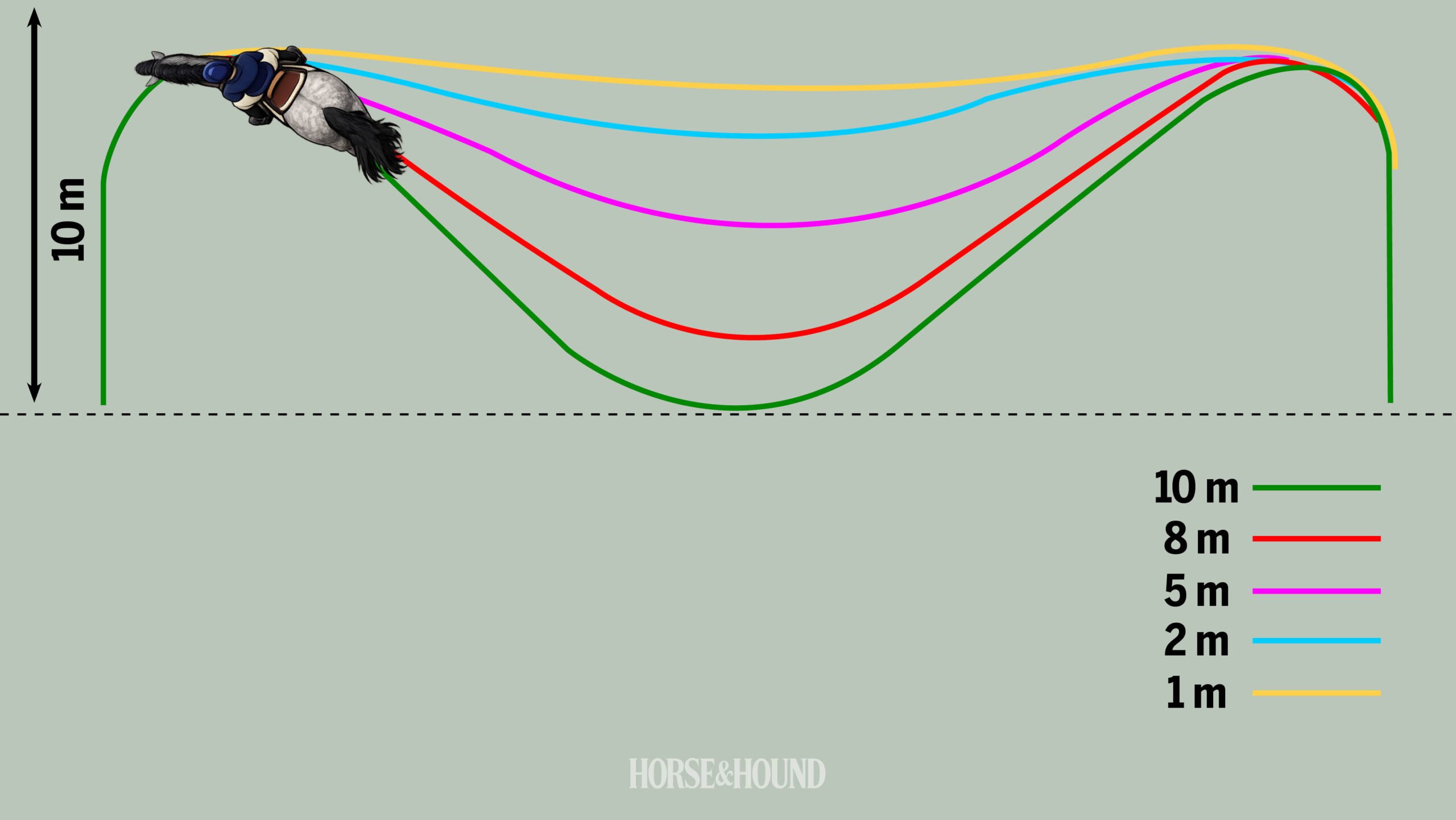
If your horse struggles to maintain canter on the correct lead on the wider loops, start with a shallower one
How to ride this exercise
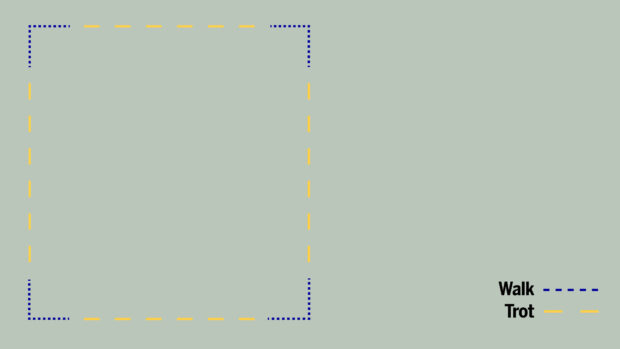
- Once warmed up in walk, trot and canter on both reins, go large in a balanced working canter.
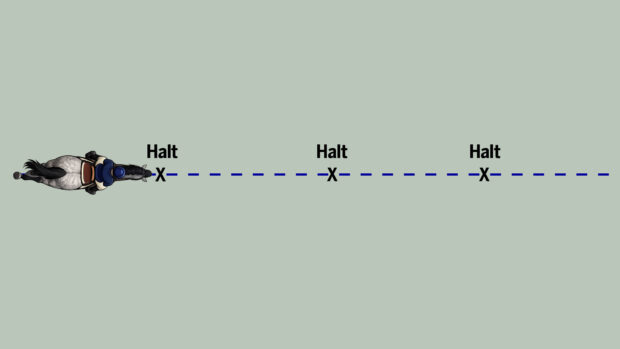
- At the first quarter marker on each side of the area, ride a 10m shallow loop. The bend of the horse’s head and neck should follow the direction of travel.
- Repeat, progressively decreasing the size of loops to 8m, 5m, 2m and 1m.
- Finally, ride the same exercise with barely noticeable loops of 20cm – with the aim that your horse is completely straight.
- Repeat on both reins.
Tips and troubleshooting
1. Your horse goes disunited or hollows
Just come back to trot, try to relax, and then try again starting with shallower loops.
2. You lose the quality of canter
Some horses rush as they anticipate cantering across the diagonal. Perform a half-halt in the corner before starting the loop to keep him on the aids.
3. An unintentional flying change
Maintain the existing canter lead (the lead you started the loop on) with your true inside leg and the outside leg slightly behind the girth. While the horse’s body should bend around the loop, their nose should be slightly pointing toward the leading leg to prevent the horse from interpreting the turn as a cue for a flying change.
- Did you find this article useful? You may also enjoy reading…

Master the 10m loop to improve your horse’s balance and earn higher dressage marks
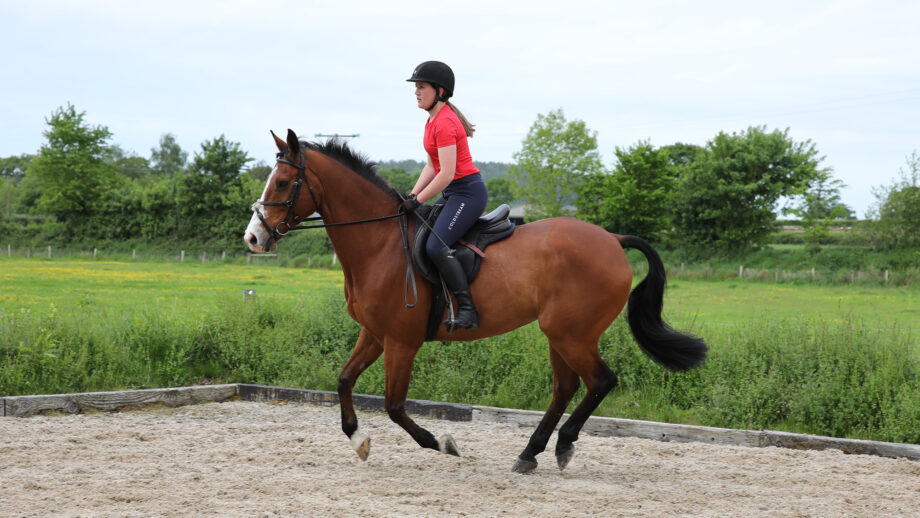
Test and improve your horse’s adjustability with this eventer-favourite two-pole canter exercise
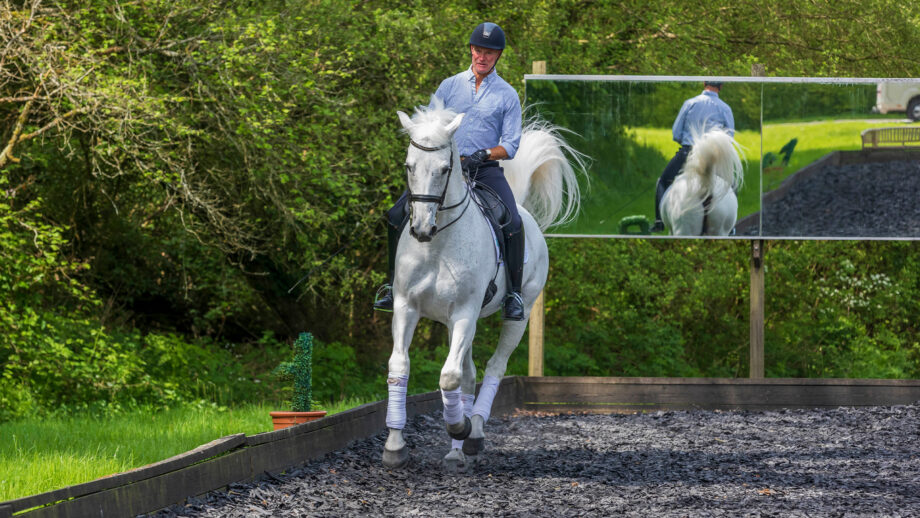
Develop your horse’s engagement in canter with this quick transition exercise
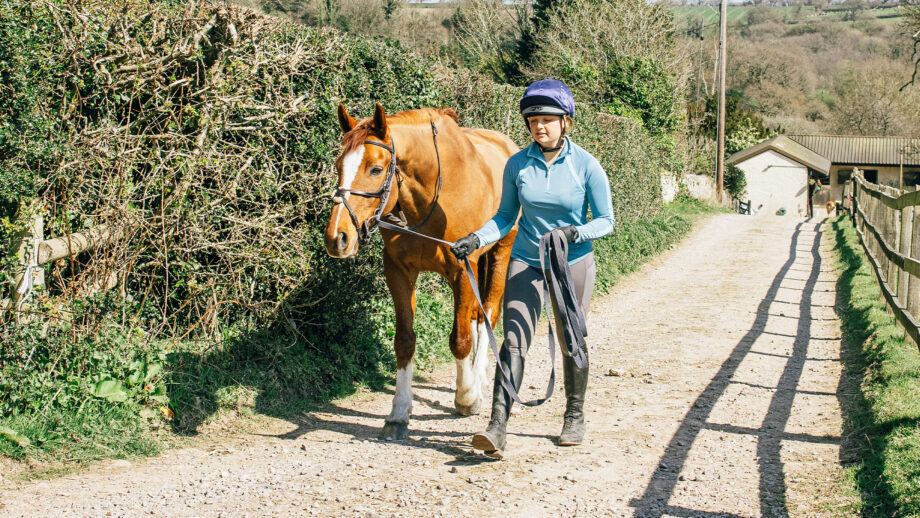
Try this exercise to encourage your horse to engage his hindleg from the ground
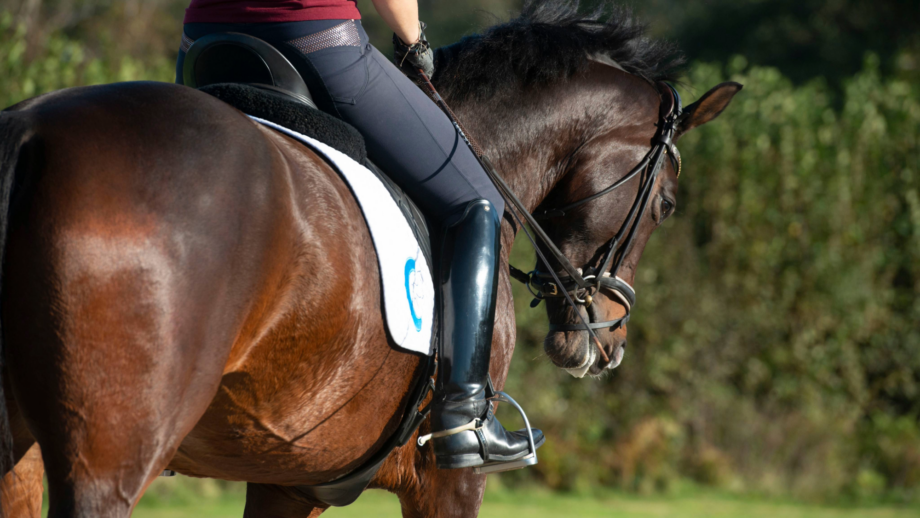
Use this 10m loop exercise to build your horse’s strength, balance and suppleness – and test your aids
Subscribe to Horse & Hound magazine today – and enjoy unlimited website access all year round