There is no getting away from the fact that an overweight horse or pony is at greater risk of a range of health issues and laminitis is one of the most serious. Laminitis is a distressing, costly and time-consuming problem to manage which is why it is so important to take action and help your horse or pony to lose weight before they succumb to this awful disease.
What can we do to reduce the risk?
If your horse or pony is overweight, a weight loss plan is essential. The main source of energy (calories) in most horses’ diets is grass, and pasture is often the final trigger for a bout of laminitis to occur. Some estimates suggest pasture triggers 60% of laminitis cases. Limiting turnout time, using a grazing muzzle, or strip grazing are all effective ways to reduce grass intake but alternative sources of forage are needed to ensure the horse receives enough fibre. Straw is a good option; introduce gradually and increase up to a maximum of 50% of the horse’s hay or haylage ration to provide chew time with fewer calories.
Sometimes the type of forage fed is dictated by what is supplied by your yard. If straw is unavailable, then Dengie Meadow Lite with Herbs is a great alternative. Meadow Lite with Herbs combines chopped straw and precision dried grass with added pea hull fibre, postbiotics and tasty cinnamon and thyme, to provide maximum chew time for minimal calories. At just 3% sugar, Meadow Lite contains less sugar than average hay, and, at only 5 MJ/kg digestible energy and 0.5% starch, it is one of Dengie’s lowest combined calorie, sugar and starch feeds.
The bucket feed is also important to consider. Studies have shown that feeding cereals reduces a horse’s sensitivity to insulin so it is advisable to avoid cereal-based feeds as much as possible, particularly for horses at an increased risk of developing laminitis. For overweight horses and ponies, it is recommended to feed a balancer or broad-spectrum vitamin and mineral supplement appropriate for their level of work. A low calorie chopped fibre feed is perfect for mixing with the balancer or supplement to provide more chew time. The table below highlights the lowest calorie feeds in the Dengie range suitable for horses and ponies prone to laminitis.
Table 1: The lowest calorie Dengie feeds
| Meadow Lite with Herbs | • The lowest calorie feed in the Dengie range at 5 MJ/kg • Low in sugar and starch • Can be used as a total or partial forage replacer • Includes postbiotics to support digestive health, as well as cinnamon and thyme to tempt fussy feeders |
| Hi-Fi Lite | • Low calorie and contains less sugar than most hays • Can be used as a total or partial forage replacer • High in fibre for digestive health |
| Hi-Fi Molasses Free | • Low calorie • Contains no added sugar and is naturally low in starch • Includes real mint, fenugreek and alfalfa pellets |
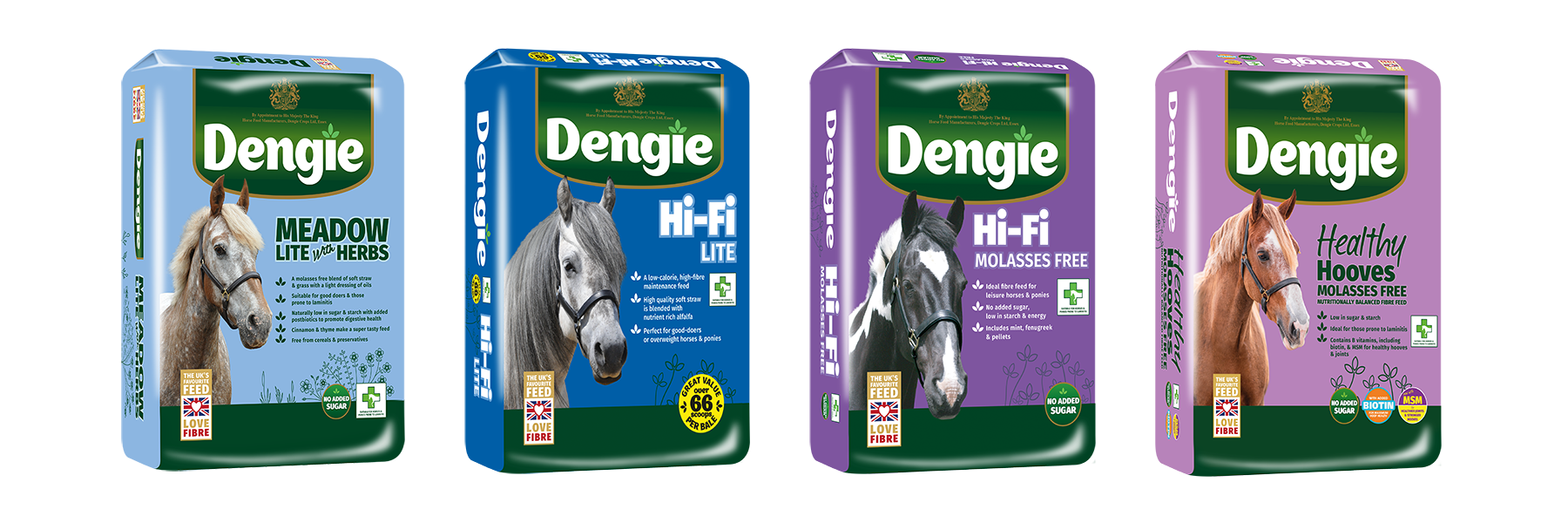
Dengie Healthy Hooves Molasses Free: the all-in-one option
Alternatively, nutritionally balanced fibre feeds can be used as a low starch, all-in-one option. Dengie Healthy Hooves Molasses Free is low in calories and contains no added sugar. It includes added biotin and is naturally abundant in calcium, both of which are essential for maintaining healthy hooves. The addition of methyl sulfonyl methane (MSM), provides a source of bioavailable sulphur, which can also help to maintain hoof health.
Case study – Super Stan
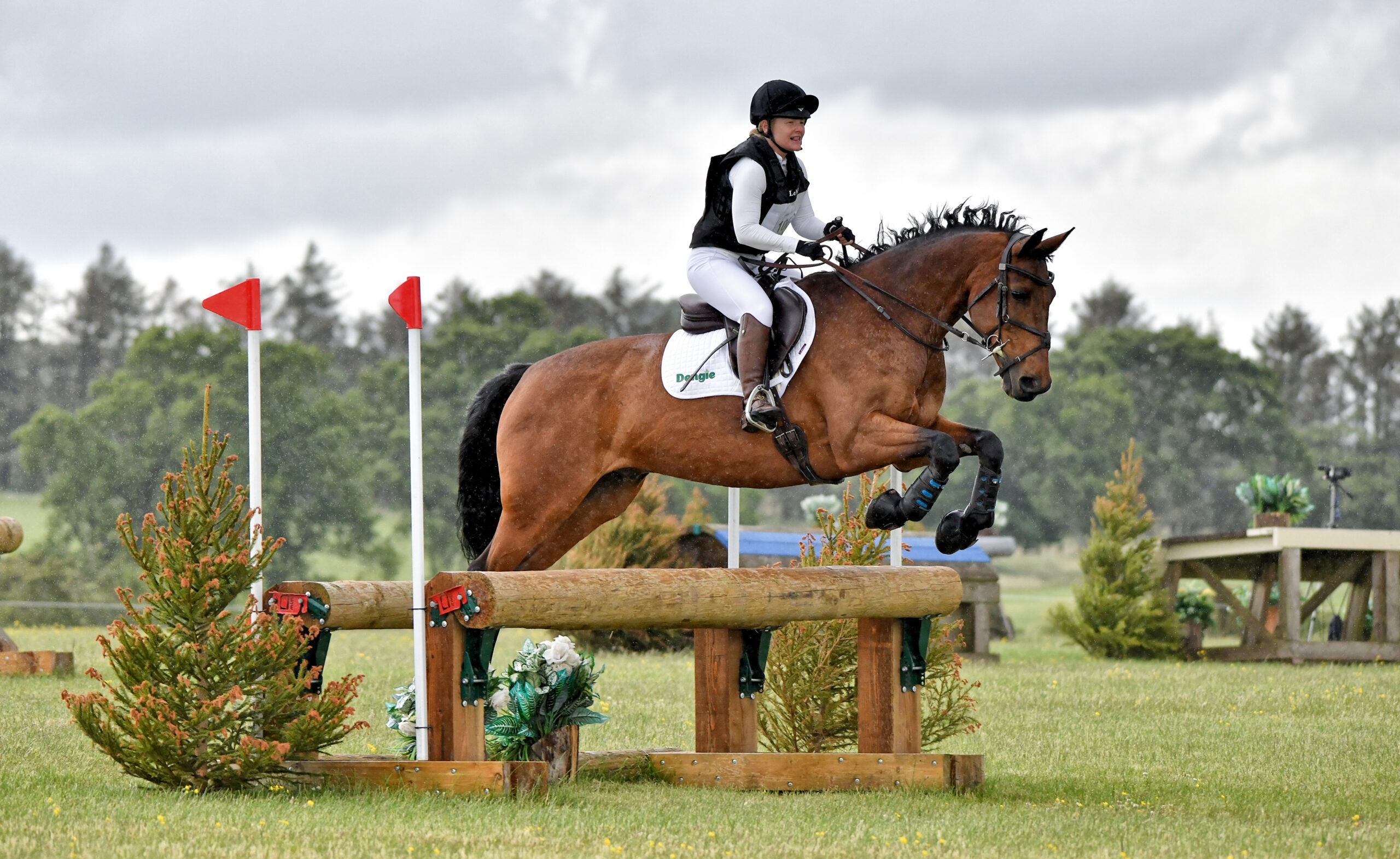
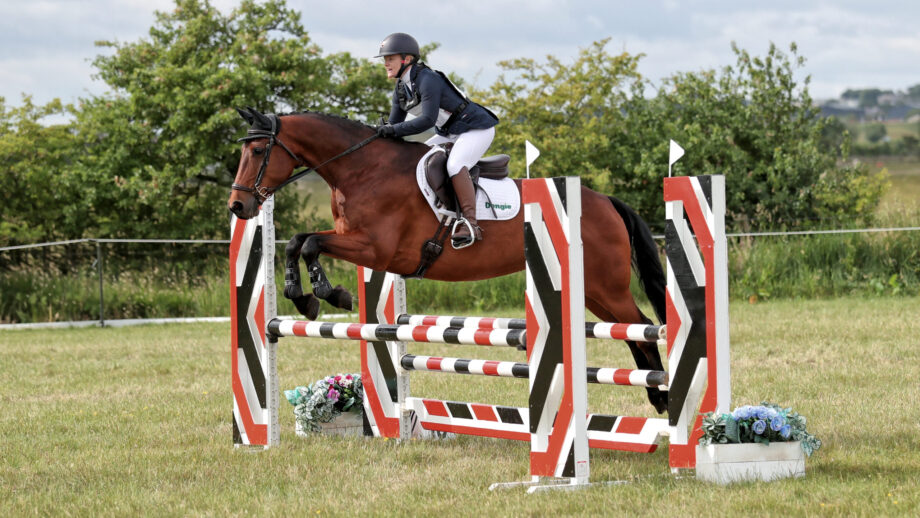
Super Stan was in regular work until May 2024, when he developed laminitis. He received veterinary treatment and was also diagnosed with equine metabolic syndrome (EMS). Despite regular exercise, Stan was obese, with a body fat score of 5 out of 5 and weighing 570kg. While Stan was stabled during his recovery he was fed a combination of soaked hay mixed with straw to reduce his calorie intake. This was provided in small holed haynets across several meals to extend eating time. In addition, Stan was fed Dengie Meadow Lite with Herbs alongside a balancer.
Stan made excellent progress and lost 46kg over the following couple of months, which meant his weight loss was safe and steady at around 5kg per week. For most horses, a weekly weight loss target of 0.5-1% of body weight is realistic. Once sound, his exercise was gradually reintroduced until he was back out competing again at BE90. His owner now closely monitors his weight to ensure he stays on track and maintains a healthy body condition, which is key to managing his EMS and reducing the risk of laminitis.
For more information or if you would like the Dengie nutrition team to review your horse’s diet, get in touch by calling 01621 841 188 or by completing an online feed advice form.