Buying a project can be a rewarding way of putting your own stamp on a horse while saving a little money – but can the same be said for renovating an equestrian property?
Taking on a home that needs restoration or upgrading isn’t for the faint-hearted and takes careful consideration. However, with rural properties still in such high demand, looking at homes that need some TLC can increase your options. But how much work is too much and can it save money?
Renovating an equestrian property: what to know before you buy
Fox Grant managing director and senior valuer William Grant says there is room for negotiations on properties that need work.
“When valuing a property, we’ll put an amount on the land and then so much on the house,” he says.
“If it’s in a terrible state, we might then discount that by 10-20%, or more. This is because somebody is not going to pay the top price when they need to spend significant money on tidying it up,” he says.
“If you’re viewing a property that needs refurbishment it’s worth taking a builder with you, so you’re going in with your eyes open as to what things might cost. The price of materials such as ply board and insulation have gone through the roof since Covid, so you have to be careful what you take on.”
He also suggests feeling things out planning-wise ahead of your purchase.
“I would also always recommend doing a planning pre-application to the local authority to check what can be replaced, or if you can rebuild the house and so on – and they are obliged to reply in eight weeks.
“Generally speaking, if there has been planning permission for, say, a barn that’s lapsed, you could feel reasonably confident that you’ll get that back.”
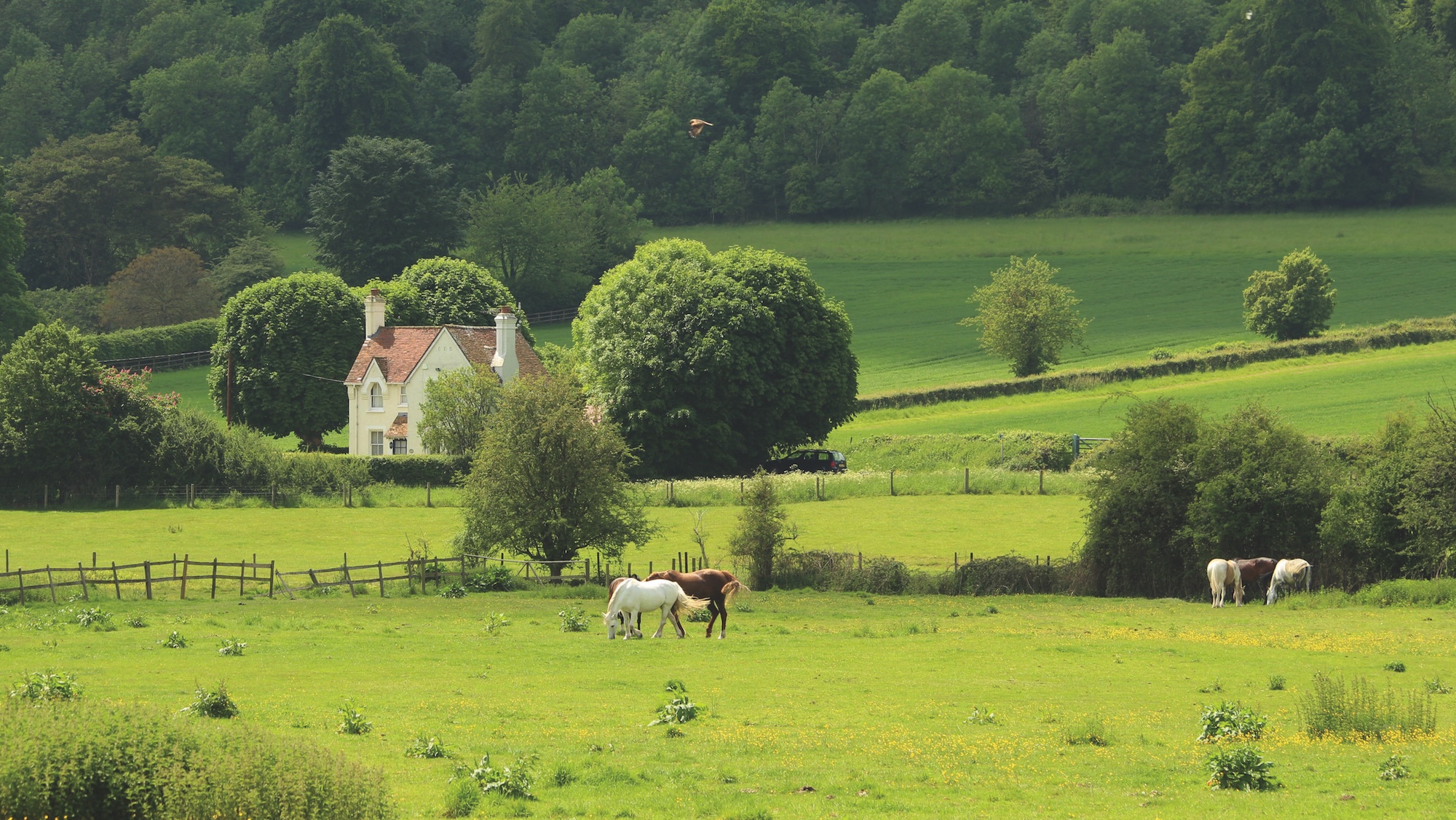
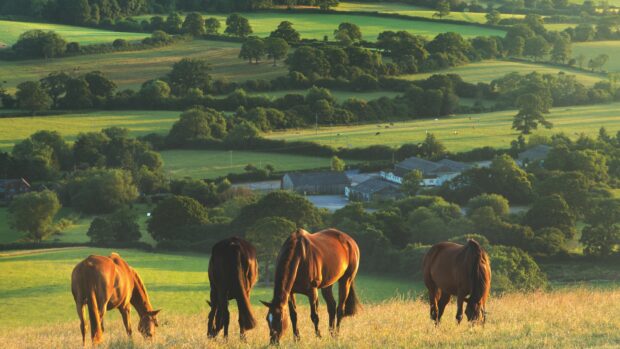
The dream: being able to look out of the window to see your horses grazing in the fields. Credit: Alamy
Hidden challenges
Horse owner Julie Hulland estimates she has spent around £70,000 – almost double what she had planned to – on renovations to her three-acre property in North Devon.
“We didn’t necessarily go looking for a project, but it was the only way we could get what we wanted within our budget,” she says.
“The first priority was sorting out the stables; I have a chunky 16.2hh mare and a 17.2hh gelding, and the stables were only 11x11ft so we extended them backwards, which has given us probably an extra four-foot.”
The house also required attention.
“We knew there were certain things that we needed to do on the house. For example, we wanted to raise the kitchen ceiling because it was really low,” she explains.
“However, once we started the work inside, we realised there were a lot more things that needed to be put right. We found rotten joists under floors, rotten floorboards, and the shower room was in quite a bad state.
Julie has learned vital lessons in the process.
“I’ve learned how important it is to do your research. We had a survey done on the property, but in hindsight as we didn’t need a mortgage, we probably didn’t get the best of surveys.
“I’d recommend getting to know the horsey community and get recommendations on local people for doing the work.”
“Effective budgeting is key”
William Dalrymple, senior associate of rural surveyors Davidson & Robertson, says typically if a buyer has a good budget, there is “not much that can’t be sorted out” with regard to upgrades and repairs.
“Effective budgeting is key to ensure that post-purchase costs don’t catch the buyer out if there are extensive works required,” he says.
“If a property has damp or subsidence, it is likely that the costs of repair will be quite high. Also, typically roofs need to be considered closely, as do central heating systems and windows.”
Never underestimate the power of location to stretch or shrink a budget.
“Projects in Scotland tend to be better suited to a tighter budget as the base cost of purchasing the property is generally lower than southern England,” Mr Dalrymple continues.
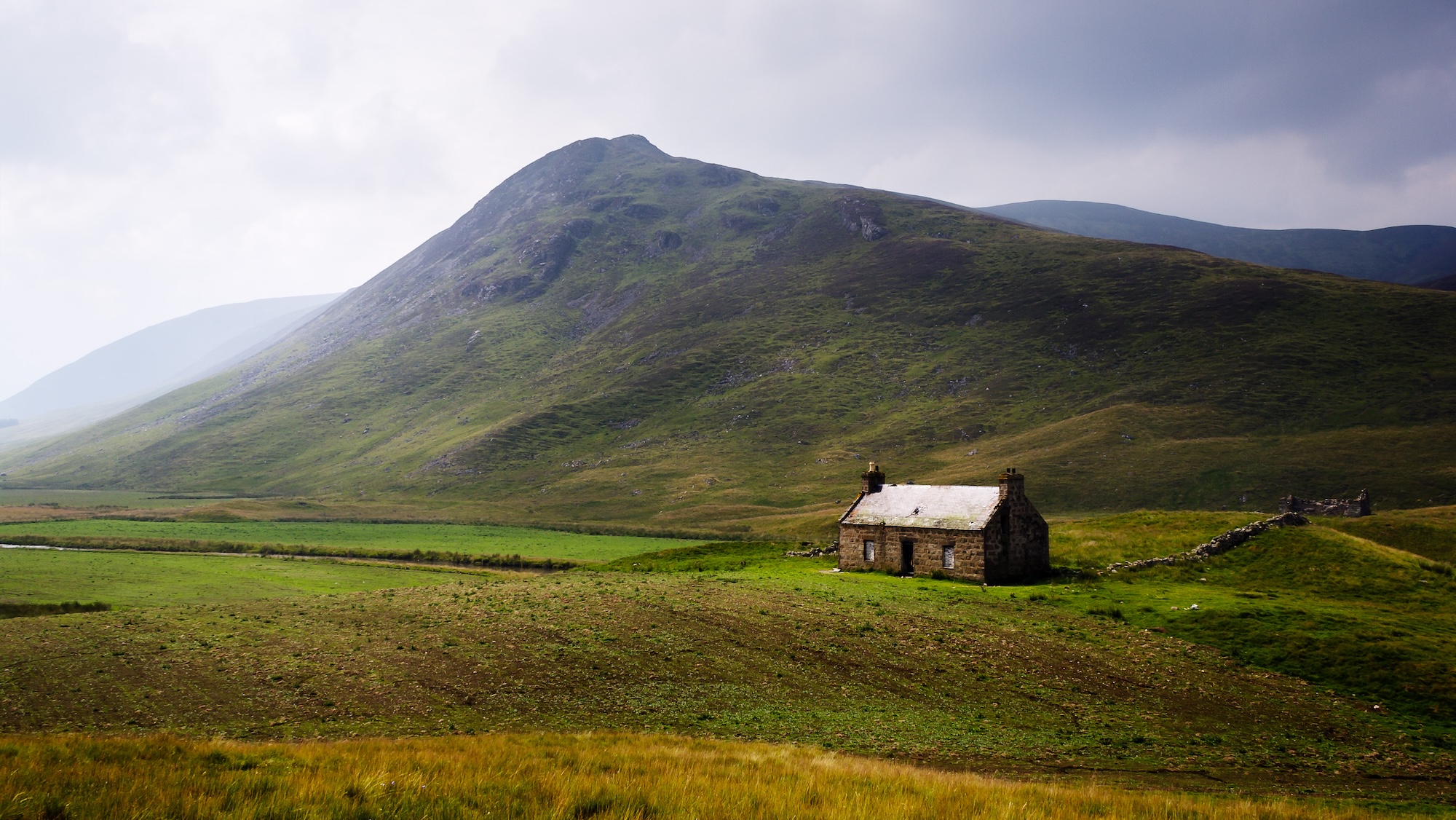
Remote locations affect the budget significantly. Credit: Getty Images
“The same theory can be applied to Wales and northern England, but it is always sensible to factor in the cost of getting materials to places and decent tradesmen.”
Looking at non-equestrian properties can also open up the search, as it did for rider Alex Kilcoyne when she bought a cottage with two-and-a-half acres of land that was formerly part of an estate in Cheshire.
“The house was once a tiny slaughterman’s cottage and had already been extended and remodelled over the years, but there were lots of things that hadn’t been done particularly well,” she says.
“We entered into it knowing it was going to need fully renovating and negotiated around £30,000 off the purchase price, then off we went on this whole journey of understanding old properties.
“First, we looked to extend it, but it was going to cost around £30-40,000 for a small footprint, so instead we reconfigured the layout to make it work better.”
Alex later put in a riding arena and new driveway, costing in the region of £50,000.
“We spoke to our financial advisor and we figured it would add value to the property,” Alex says.
“We were quoted £40-60,000 for the drive. However, I got speaking to the arena guys and they had all the equipment there and were able to do it for £10,000. It’s always worth finding out what else contractors can do when they’re there.”
Heritage snags
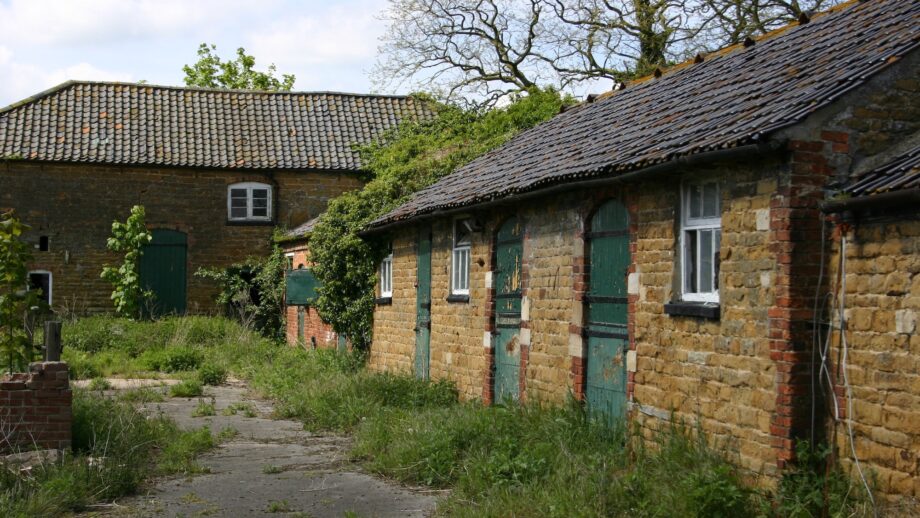
Older properties might have bags of charm, but a key consideration is whether it is a listed building – those of special architectural or historic interest – as these carry legal protection on what work can be done.
“A significant proportion of equestrian homes, particularly those with character and land, are period or heritage assets,” explains Fine & Country managing director Jonathan Handford.
“While they can be incredibly appealing, they also come with a specific set of obligations that buyers need to fully understand before proceeding.”
Unlike standard properties, listed buildings are subject to strict controls.
“Repairs or upgrades must often be carried out using traditional materials and methods, and in many cases require consent.
“This can significantly increase the cost and complexity of works. It is not simply a case of ‘renovate and add value’. There are legal and practical constraints that can limit what can be done and how quickly.”
Jonathan adds that listed building constraints may limit adding future value to the property.
“If you are restricted in what you can alter, extend or modernise – or if the cost of compliant works is disproportionately high – the ability to unlock additional value is reduced.
“Buyers therefore need to be clear on what is and is not achievable before relying on future value gains,” he says.
Look at the lie of the land
It’s not always the home that needs upgrading. While there may be room for negotiations for neglected land, William Grant warns that buyers will need time and patience when returning ground back to its best.
“Where the land hasn’t been managed well and it’s in rough, poor condition, it’s not a question of just going in and mowing and spraying,” he explains, adding it’s always worth taking a knowledgeable farmer or contractor along to view and advise.
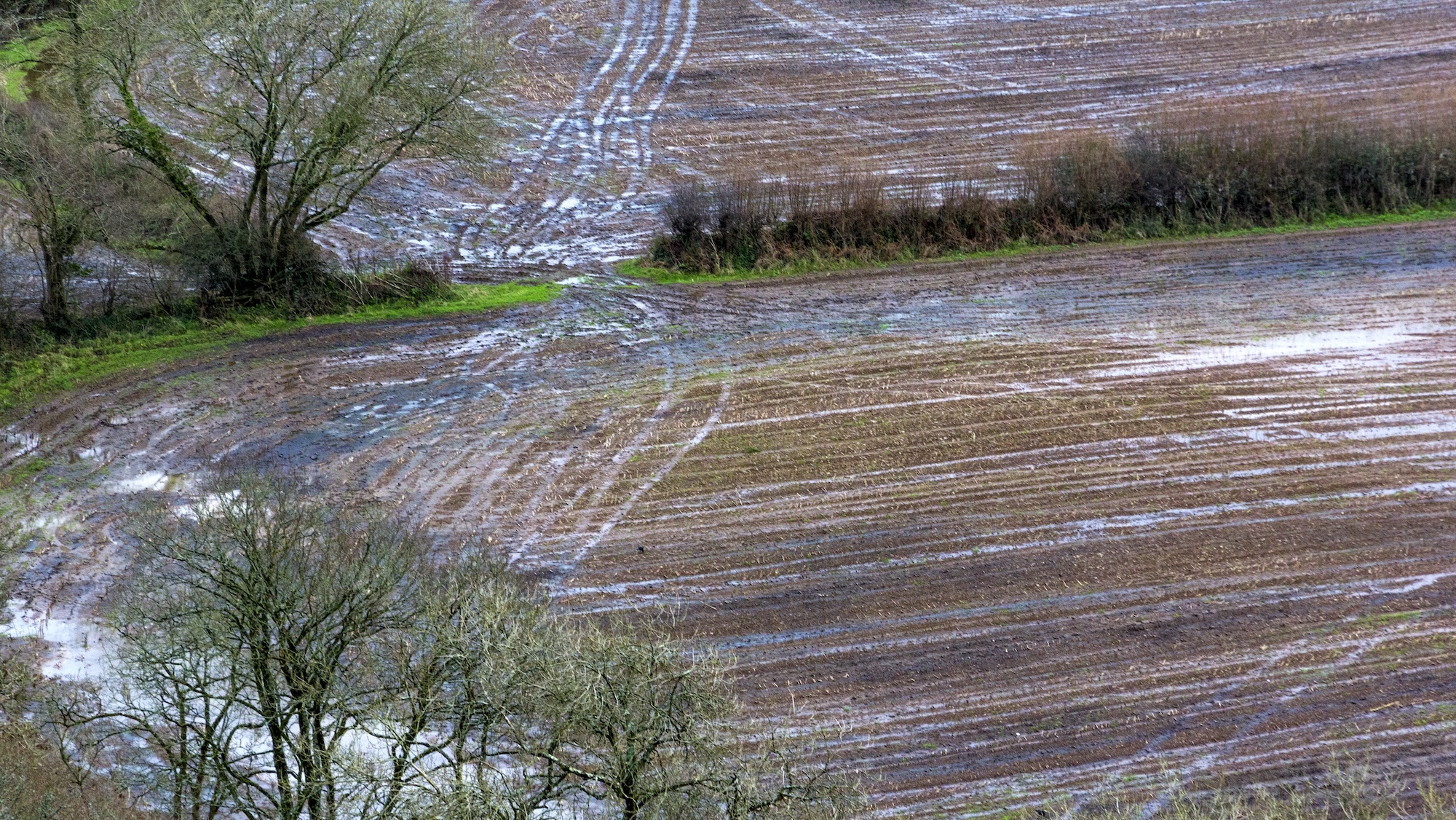
Land may require significant time and expenditure to prepare it for horses to graze. Credit: Getty Images
“Land can take two or three years to get it back in good health. You might need to invest £1,500-2,000 an acre to have it properly drained.”
When it comes to your dream horsey haven, looking beyond what’s in front of you can pay dividends.
“Not everyone has vision, but if you can find somebody with good ideas and the ability to visualise, you really can transform eyesores into diamonds,” says William.
- For unlimited access to advice on how best to care for your horse, subscribe to the Horse & Hound website
If you enjoyed this feature, you may also like to read…
Planning and communication key for equestrians navigating new inheritance tax rules

Going green – the steps you can take to manage your grazing land more sustainably

How making small changes could benefit your horse, the environment and your bank balance

Subscribe to Horse & Hound magazine today – and enjoy unlimited website access all year round