Today’s top stories

Latest news
-

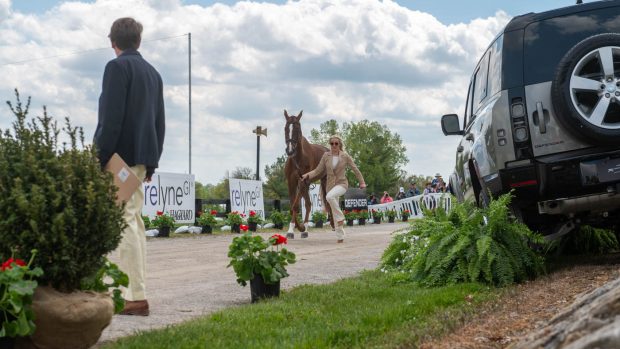
Kentucky five-star dressage times: find out when your favourite starts
-
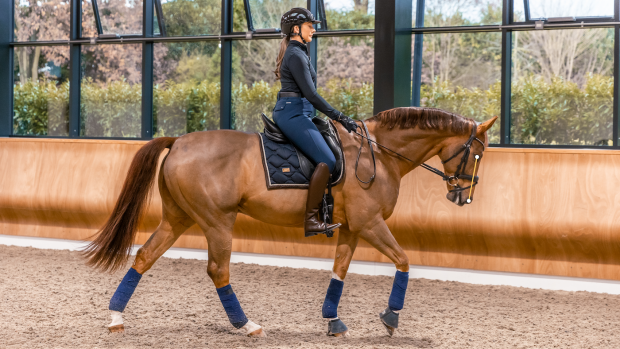
Tech to help alert riders to horses behind the vertical and measure rein pressure
-
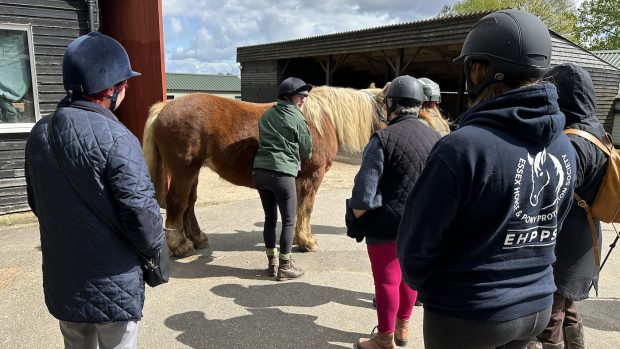
Happy, healthy horses the aim of ‘eye-opening’ training to help combat equine obesity
-
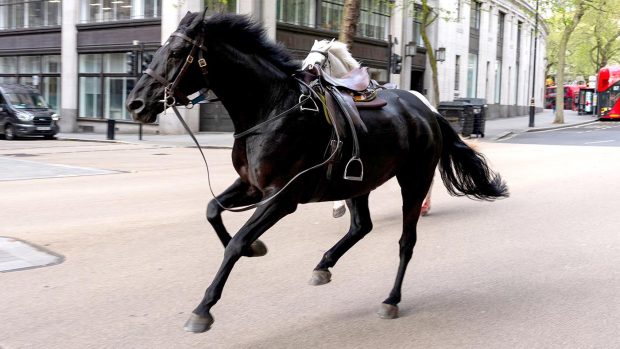
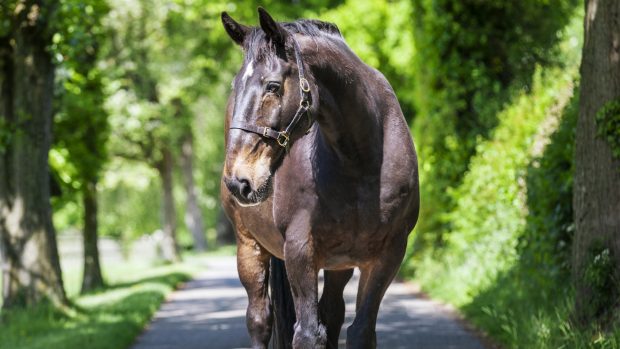
Final farewell to ‘courageous’ police horse with ‘distinctively big ears’
-
Latest Kentucky and Badminton news, plus other things the horse world is talking about
-
Badminton draw revealed: find out who’s the pathfinder and when your favourite starts



Opinion



Highlights
-
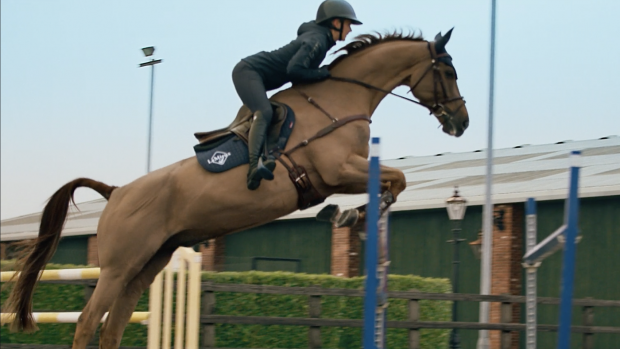
See the fences Yasmin Ingham and Tom McEwen will jump at Kentucky five-star this week
-
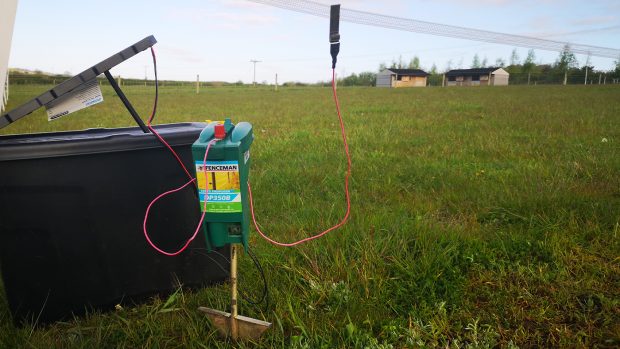
Electric fence energisers for every setup
-
‘Girl from nowhere’ stars on World Cup Final stage: ‘I’m the driver, the rider, the groom and the coach!’
-
A complete guide to Royal Windsor Horse Show tickets
-
How to watch the Kentucky Three-Day Event 2024
-
Looking for stable yard inspiration? Check out these 13 beautiful stables





Buyers’ guides
-
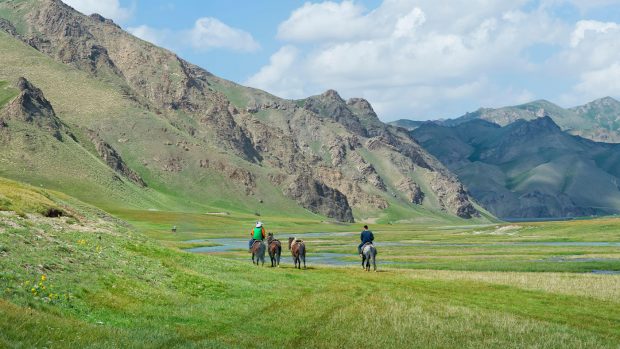
What to wear on a trekking holiday: tips from a traveller
-
Electric fencing for horses – everything you need for a temporary setup or strip-grazing
-
Find the perfect dress for Royal Ascot with our helpful guide
-
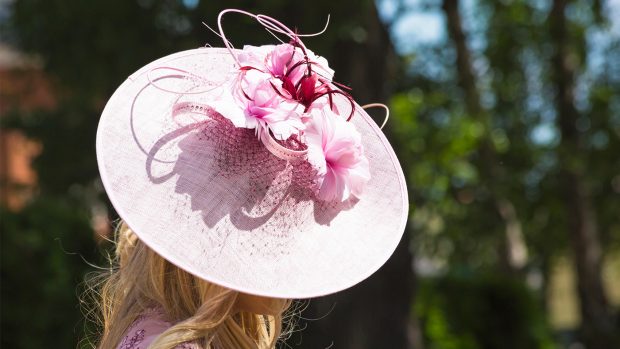
Heading to Royal Ascot? Here are 41 hats to complete your outfit
-
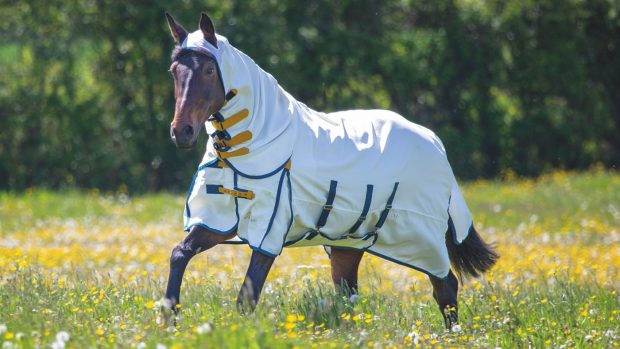
7 rugs to help protect horses who are prone to sweet itch
-
Grazing muzzles – what are your options?



*H&H Approved* product reviews
-
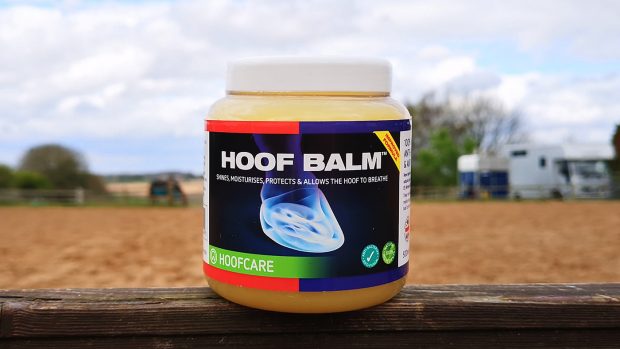
I love that this balm is made of only natural ingredients, and it was excellent value
-
I can’t imagine life without this Reolink camera now – I’m so impressed
-
Not only were these Flex-On stirrups great to ride in, but I loved personalising them too
-
If I’m hacking on the road, I won’t ride without the Techalogic DC-1 camera
-
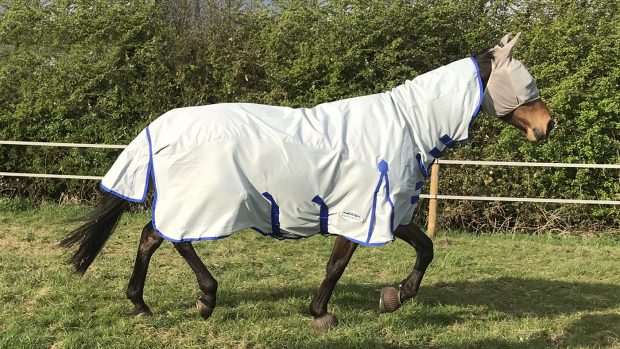
This WeatherBeeta waterproof fly rug is a great choice for spring showers
-
I’d recommend these boots if you’re looking for a good level of protection at a sensible budget