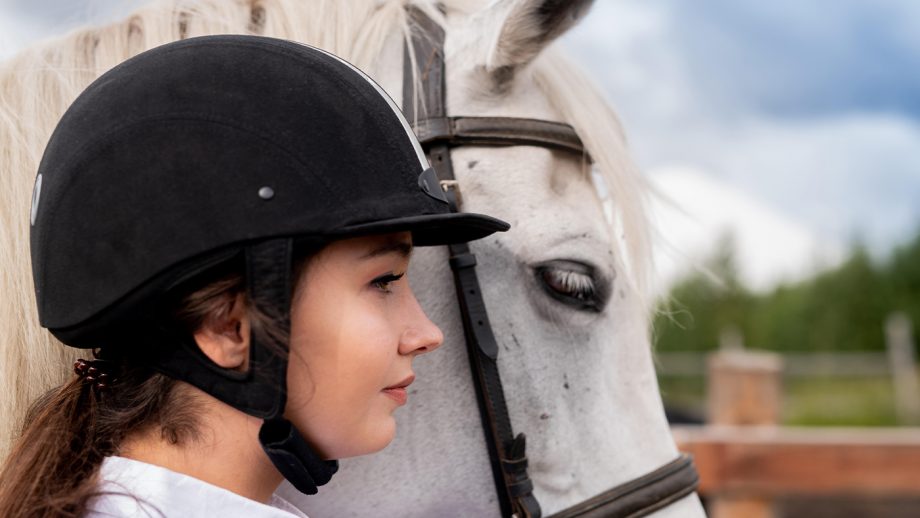
A helmet is an essential piece of kit when you’re riding – whatever your level or discipline. Choosing from the best riding hats to suit your needs will not only help you avoid head injuries, but it will allow you to perform at your best in comfort and with confidence.
It can be tricky to know which is the best riding hat for you as there are so many stylish options, from the best adjustable riding helmets to the best riding hats for children, that include a vast amount of technology (such as MIPS) across very different price points.
Best riding hats: H&H’s quick guide
Best overall jockey skull: Charles Owen 4Star
Best overall peaked riding hat: Charles Owen EQx Kylo
Best value riding hat: Rhinegold Reflective Pro
Best adjustable riding hat: Champion Air-Tech Deluxe
Best velvet riding hat: Gatehouse Jeunesse

Charles Owen 4Star
Colours: Silver, black or navy
Sizes: 54–62cm
Standards: ASTM F1163, PAS 015 (with Kitemark), SNELL E2016, VG1 (with Kitemark)
Reasons to buy
- Meets four safety standards
- Good ventilation
- Can be worn for cross-country
Reasons to avoid
- Magnetic harness clasp takes some getting use to
This skull is certified to four top international safety standards and is described as a “technically superior helmet”. It has 10 ventilation slots and the option of a heat-reflective silver finish. It also comes with a ventilated silk.
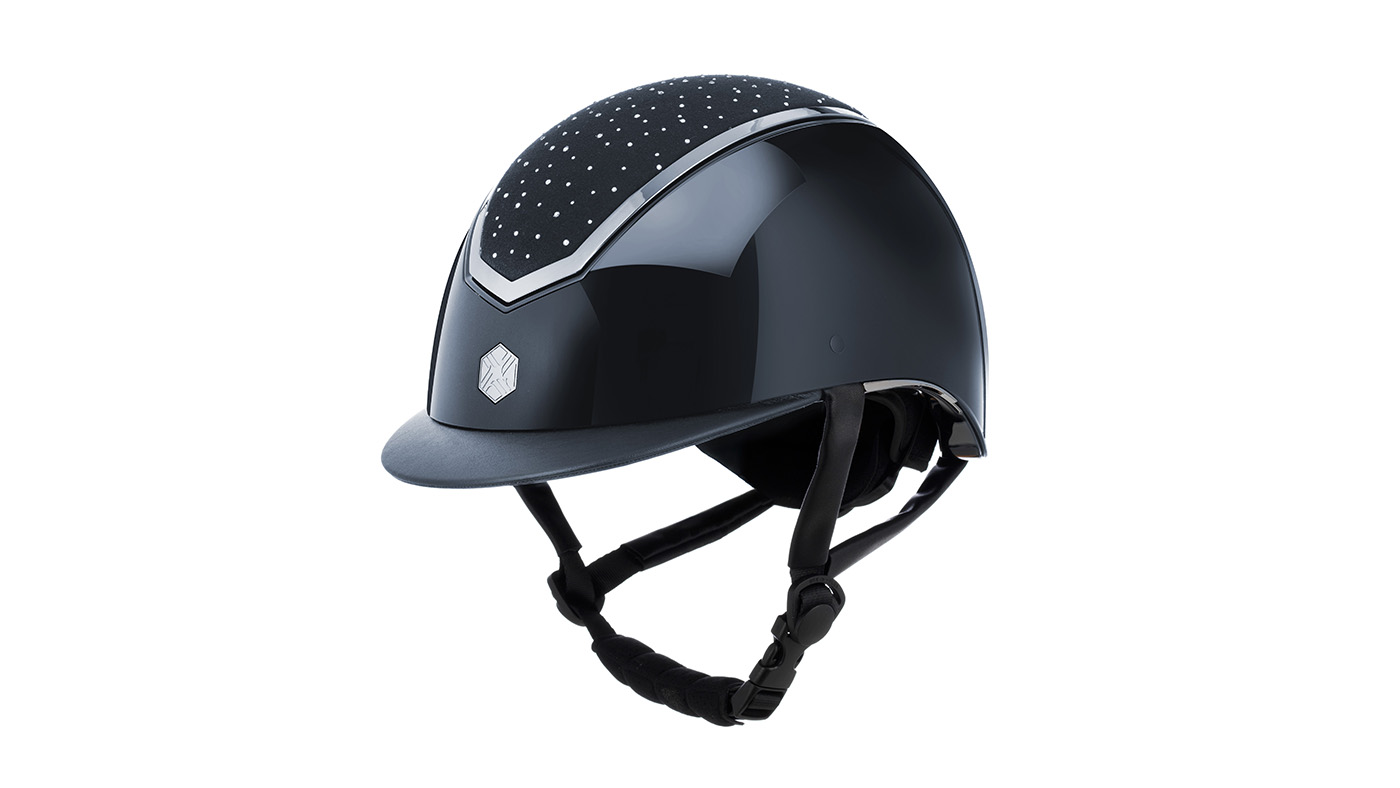
Charles Owen EQx Kylo
Colours: Black gloss, black matte, navy gloss or navy matte
Sizes: S (52–55cm), M (55–58cm) or L (58–61cm)
Standards: ASTM F1163, PAS 015 (with Kitemark), VG1 (with Kitemark)
Reasons to buy
- Meets three safety standards
- Lots of choice
- Good value
Reasons to avoid
- Dial-fit design might not suit everyone
This helmet gives your lots of options – not only can you choose between a matte and gloss finish, but you can also opt for a standard or wide peak and choose to add MIPS protection, too.
It has an adjustable dial for a precise fit, extensive ventilation, a fully adjustable leather-look harness and a removable, washable headband.

Rhinegold Reflective Pro Riding Hat
Colours: Black or navy
Sizes: 6⅜–7¼
Standards: PAS015:2011 (with Kitemark)
Reasons to buy
- Good value
- Reflective piping for added visibility
- Removable, washable liner
Reasons to avoid
- Not the most modern look
This traditionally styled ventilated hat features a removable, washable liner with a soft Coolmax-lined harness. The Dayglo reflective piping offers a small amount of increased visibility. It is one of the cheapest riding hats in this guide, yet meets the standard for use in riding schools and competition, making it great value for money.

Champion Air-Tech Deluxe
Colours: Black metallic, navy metallic, oyster metallic, ruby metallic or black silk
Sizes: S (52–54cm), M (55–57cm) or L (58–61cm)
Standards: PAS015:2011 (with Kitemark), ASTM F1163, VG1 (with Kitemark)
Reasons to buy
- Good colour choices
Reasons to avoid
- Harness not as padded as others
This low-profile helmet is made with a lightweight injection-moulded ABS shell, which makes it comfortable without compromising on safety. It features triple-mesh venting for superior airflow, a removable crown-comfort padded, wicking lining. It uses a dial-fit system for full sizing adjustability and is available with metallic or silk paint finishes.

Gatehouse Jeunesse Velvet Riding Hat
Colours: Black or navy
Sizes: 52–61cm
Standards: PAS015:2011 (with Kitemark), VG1 (with Kitemark)
Reasons to buy
- Traditional style
- Meets two safety standards
Reasons to avoid
- Peaked style might be suitable for your discipline
Designed with a lightweight, low profile, this hat is slimline and elegant with a flesh coloured harness. It comes with a quick-drying, padded liner that can be removed for washing, and it comes in a padded storage bag.
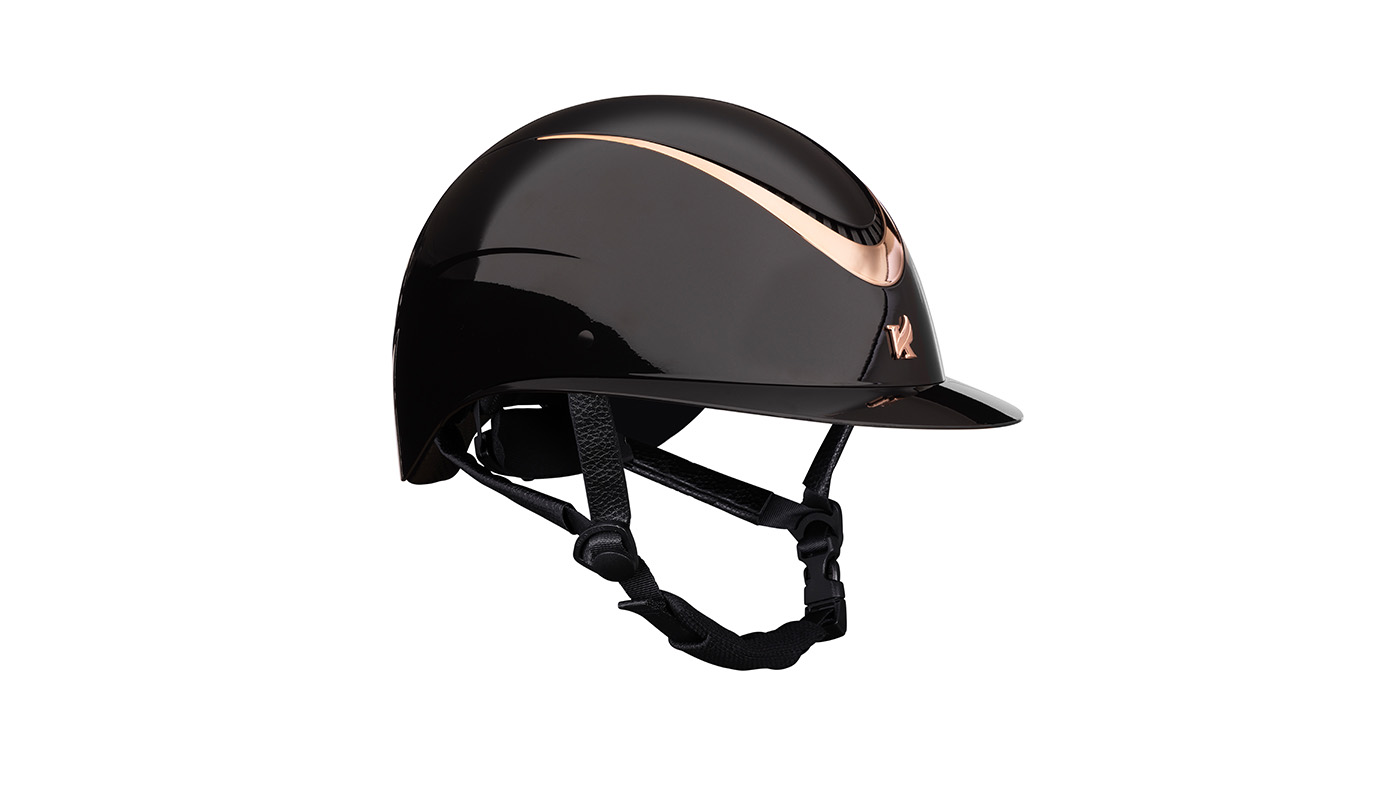
Shires Karben Alina Ellipse Wide Peak
Colours: Black/rose gold, black/gunmetal or navy/rose gold
Sizes: S (52–54cm), M (55–57cm) or L (58–60cm)
Standards: PAS015:2011 (with Kitemark)
Reasons to buy
- Modern style
Reasons to avoid
- Only meets one standard (if that’s important to you)
This helmet is a real looker with a high gloss and contrast gloss ellipse frame for definition, but it also has practical thermoregulating linings and air vents to keep your head cool and sweaty hair to a minimum.
It has an adjustable dial for a precision fit, a fully adjustable four-point harness with leather look side panels and removable, washable inner linings.

Champion Revolve Vent-Air MIPS Jockey Skull
Colours: Black
Sizes: 6¼–7¾
Standards: PAS015:2011 (with Kitemark), ASTM F1163, VG1
Reasons to buy
- MIPS protection
Reasons to avoid
- Pricey – but can you put a price on safety?
An upgrade to the Champion Revolve Vent-Air skull, this modern, lightweight helmet incorporates MIPS, which is the brain protection system that offers added protection against angular impact and damaging rotational forces. This helmet offers good ventilation and comfort thanks to the central ventilation strip and removable crown comfort padding in breathable microfibre. It has a durable painted acrylic and sand finish that helps to prevent your silk slipping. It also features a four-point soft leather harness with rear lacing adjustment.

Charles Owen Luna
Colours: Black gloss, black matte or midnight
Sizes: 52–61cm with round fit options
Standards: PAS015:2011 (with Kitemark), ASTM F1163, VG1 (with Kitemark)
Reasons to buy
- Modern look
- Great for everyday use
- Removable liner
Reasons to avoid
- Peaked style means it’s not suitable for cross-country
The Luna is technically very similar to the much more expensive Halo. It has a ventilation system under the ring in addition to a washable headband. There is also the option to have a wide peak that helps improve vision in any weather.

Gatehouse HS1-V
Colours: Anthracite grey or matt black
Sizes: 52–62cm
Standards: ASTM F1163, SNELL E2016
Reasons to buy
- Meets SNELL E2016 safety standard
- Hat bag included
Reasons to avoid
- Competitors have more colour choice
This is an update to the popular HS1 jockey skull with the addition of vents to give you the benefit of air circulation, which helps to keep your head cool. It features a soft four-point padded harness with an antibacterial lining. This hat comes with a smart padded storage bag.

Charles Owen Pro II Plus
Colours: Black, navy, silver or rose gold
Sizes: 52–65cm standard or 55–59cm round
Standards: PAS015:2011 (with Kitemark), ASTM F1163, VG1 (with Kitemark)
Reasons to buy
- Standard and round fit
- Meets three safety standards
- Available in a range of colours
Reasons to avoid
- If your budget allows spend a bit more and get the 4Star
This helmet is the only triple-standard skull cap with a removable cup headband. It features front and rear ventilation, a sized liner for a close, customised fit, and a soft technical harness.
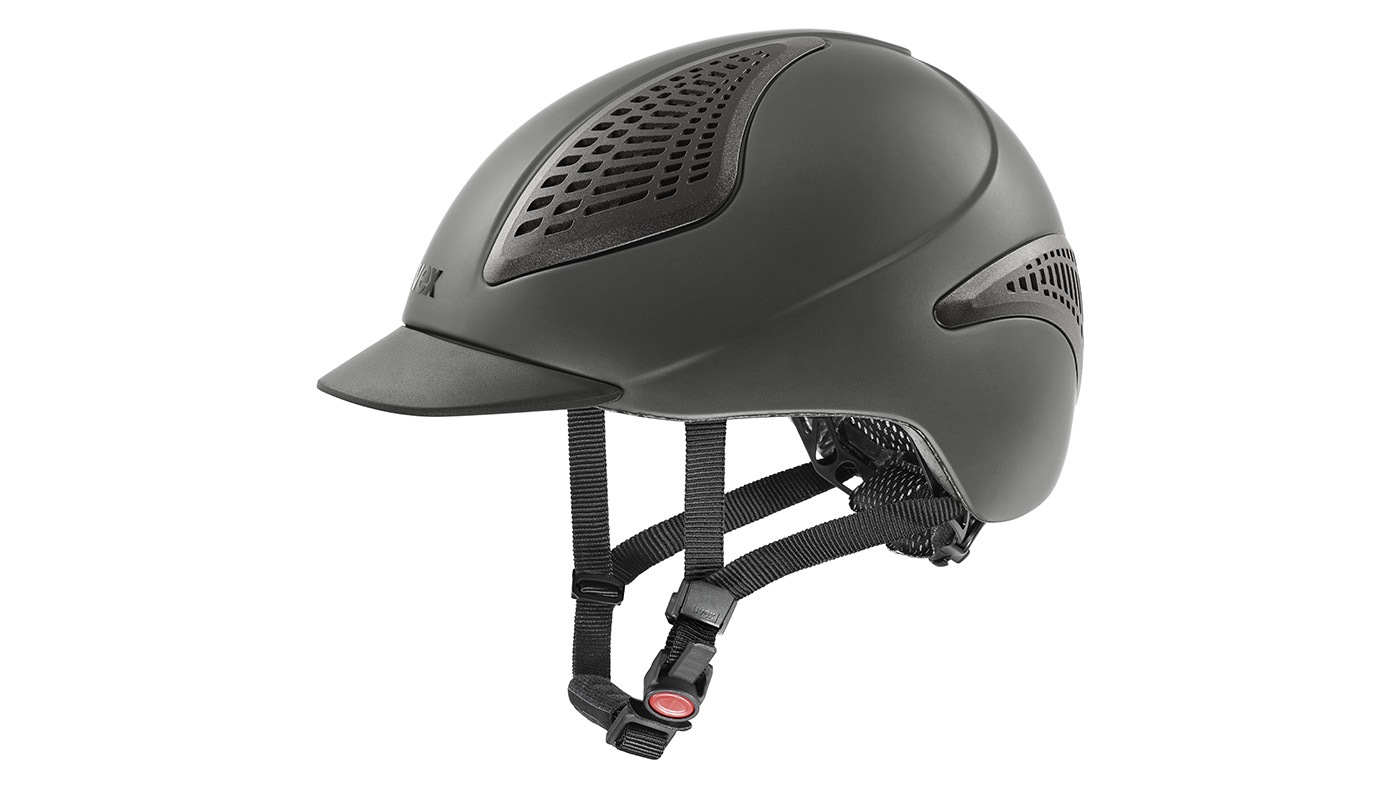
Uvex Exxential III
Colours: Black, blue matte, anthracite or mocca matt
Sizes: XXS–S (52–55cm), S–M (55–58cm), M–L (57–59cm) or L-XL (59–61cm)
Standards: ASTM F1163, VG1 (no Kitemark)
Reasons to buy
- Lightweight (only 420g)
Reasons to avoid
- Sporty look might not suit your style
This helmet combines sportiness, climate control and safety. It brings an update to the Uvex Exxential II, with an extended rear section at the back to provide increased coverage in the event of a fall. It also features a ‘pony-tail’ cut out and air vents for comfort. the easy to use dial fit allows for easy adjustment. Also available with MIPS technology.

Gatehouse Conquest MKII
Colours: Black/rose gold, navy/rose gold, black metallic, matt black or matt navy
Sizes: 52–63cm
Standards: PAS015:2011 (with Kitemark), VG1 (with Kitemark)
Reasons to buy
- Smart look
- Available in a range of colours
Reasons to avoid
- Chin strap not as padded as others
This stylish and lightweight helmet has a flexible peak and is well ventilated with a quick-drying, wicking, padded and removable liner. It comes in a padded storage bag and you can buy replacement liners.
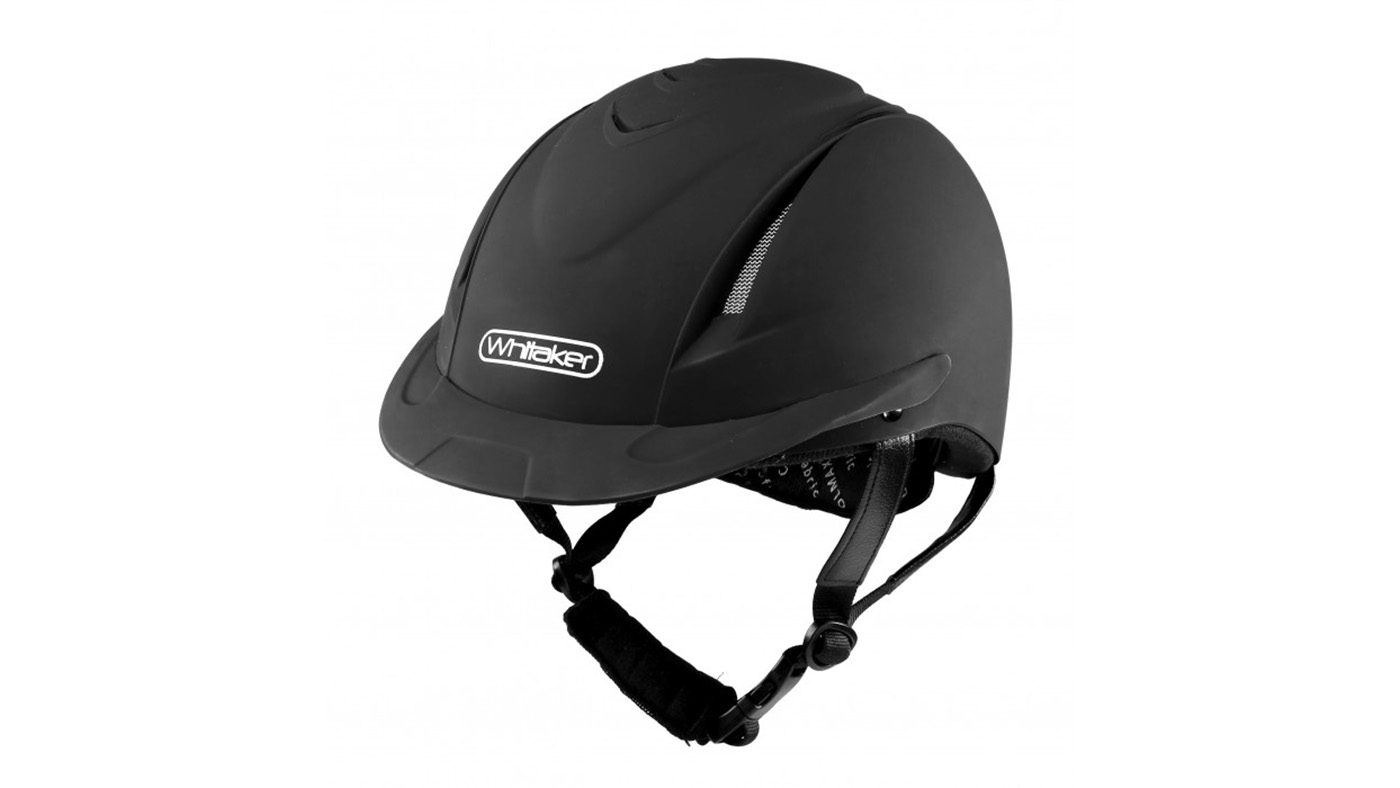
Whitaker RH040 New Rider Generation (NRG) Helmet
Colours: Black or navy
Sizes: XS (48–52CM), S (52–56cm), M (57–60cm) or L (58–62cm)
Standards: ASTM F1163, VG1 (no Kitemark)
Reasons to buy
- Dial fit adjustment
- Removable and washable lining
Reasons to avoid
- No Kitemark
The NRG hat has a smooth, matte effect outer with two large front vents, ensuring a steady ventilation across the head. he lining of the NRG has been treated with Coolmax, which wicks moisture away from the head, and can easily be removed and machine washed. The ever popular Dial-to-Fit system is featured help finely tune the fit. It comes with sparkly stickers to customise you helmet.
This NRG helmet still ensures all the safety measures needed to achieve the VG1 and ASTM standards are achieved.
How to choose the best riding hat for you
The first thing to consider when choosing the best helmet for you is the type – if you compete, each discipline has its own rules for what helmets can be worn, which includes minimum hat standards for competition requirements, and sometimes style (for example, for cross-country you’ll need a hat without a fixed peak) and colour.
Then you need to think about how much protection each helmet gives you – different safety standards test for different types of accidents – it’s best to choose a helmet with as many safety standards as possible.
It’s also wise to consider what features each helmet has that enhance the comfort or look – these could include removable headbands, ventilation systems, wide peaks, MIPS technology or being vegan friendly. The style and finish of a helmet can allow you to show your personality. These days you can find everything from the most traditional velvet to fully customised sparkle.
When considering budget, always buy the best you can afford, and bear in mind that the most expensive might not be the best. In the UK, helmets made to fit 55cm and below (usually child sizes) are VAT free. If you’re on a tight budget, we’ve rounded up the best riding hats under £100.
Finally, it’s really important to be sure that your helmet is a good fit. Horse & Hound strongly advises that you get your hat fitted by a BETA-trained professional before making a purchase – the same advice goes for the best body protectors, too. Find out if your local tack shop can provide this service here.
When should I replace my riding hat?
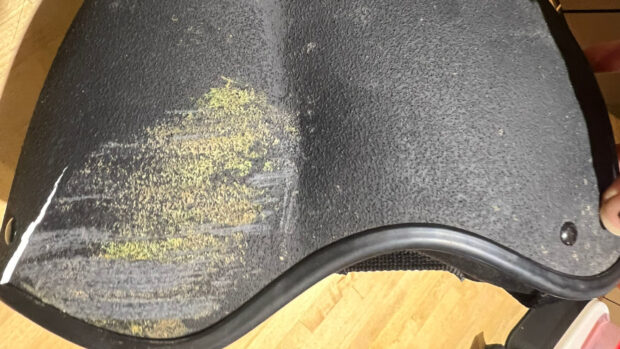
Your hat should always be replaced if it has suffered any sort of impact. Although it may appear fine from the outside, it’s the inside that’s important. For this reason, buying hats second hand is not recommended. Your hat also needs replacing if it’s more than two to three years old because the protective liner and inner padding will have begun to deteriorate with exposure to heat and repeated use.
To help your hat last as long as possible, store it in a cool environment – avoid leaving it in the car. Keeping it in a protective hat bag is an ideal way to keep it cushioned and away from strong sunlight.
If you compete, you’ll also need to keep an eye on the hat standards that are accepted by your governing body – if these change, then you may need to invest in a new, rule-compliant hat.
What are the current riding hat safety standards?
There are five main safety standards that are recognised across the world. All riding hats and jockey skulls should conform to one of these standards and bear the CE mark. When determining helmet safety, each of the individual standards have their own criteria and tests that place different emphasis on various types of injury. For example, they will examine how much of the head a helmet covers, how a rider falls and onto what type of surface, how a helmet moves, and how severe an injury riders can expect to receive from that fall, but all in a slightly different way and to different extents.
- VG1 01.040 (2014-12) – This was introduced as an interim specification when the EN 1384 was withdrawn. It demands the helmet passes three impact tests.
- PAS 015 (1998 or 2011) – PAS stands for product approval specifications, which are developed by the BSI. The 2011 standard is more demanding than the 1998, which will probably be phased out of discipline rules in the next couple of years. It includes four different impact tests.
- ASTM F1163 (2004a or 04a onwards) – This American standard is similar to PAS 015:1998 – it includes two impact tests, but does not have a crushing or penetration test.
- SNELL E2016 – This standard was developed in the US and is the most rigorous with five different tests. It includes all aspects of ASTM and PAS 015 but is tested with a sharper horseshoe anvil (to replicate a kick or impact with a sharp surface), higher impacts and an additional hemispherical anvil (to represent an uneven but not sharp surface, such as a tree, fence or cobbled surface).
- AS/NZS 3838 (2006 onwards) – This Australasian standard is similar to the EN 1384, although also includes the hazard anvil test from the PAS 015.
What is the difference between hat standards and quality marks?
Quality marks, such as the British Kitemark, show that the requirements of certification have been met and the manufacturer has complied with regulations. If your hat also bears one of these marks it tells that the manufacturer is continuously and independently monitored to ensure that they continue to make hats to a high standard. Quality symbols include…
- Kitemark – This is the registered trademark of the British Standards Institute. It indicates that a company complies with a rigorous system of regulation and testing, including regular testing of random samples. For example, one of every 200 helmets from a batch is checked before they will issue an approval label. If the helmets do not pass the standard, then the entire batch must be destroyed. It can be applied to PAS 015 and VG1-compliant helmets.
- IC mark – This quality mark is operated by Inspec and applied to PAS 015 and VG1-compliant helmets.
- SEI mark – The Safety Equipment Institute is the American equivalent of the Kitemark for ASTM standard hats.
- SAI Global – This Australian quality assurance scheme is also similar to the British Kitemark.
The CE mark is neither a quality mark or a standard, but a mandatory declaration under EU law that shows a manufacturer complies with essential requirements.
What does MIPS stand for?
It stands for Multi-directional Impact Protection System. It’s a revolutionary technology designed to reduce the amount of rotational force upon impact to the head, providing greater protection in the event of a fall. If a helmet has MIPS technology they will have a yellow logo somewhere on the helmet. If you’re looking for a riding hat with MIPS check out our guide to the best MIPS riding helmets.
How should a riding hat fit?
At Horse & Hound we strongly advise that you get your hat fitted by a BETA-trained professional before making a purchase. Find out if your local tack shop can provide this service here.
A well-fitting hat should sit firmly on your head – just above your eyebrows and ears. It should fit snuggly all the way around your head, with no pressure points at the temples. If you feel pressure in your temples when you flex your jaw, this indicates that the helmet is too tight. When fastening your helmet, it’s important not to forget the part of the harness that fits around the back of your neck. This strap helps to prevent your hat tipping forwards on to your nose. Some harnesses, particularly those with lots of leather and lacing, are harder to fasten, but a trained fitter at your local tack shop will be able to help you if you take your hat in.
You might also like:

8 riding hats you can get your hands on for less than £100

7 adjustable riding helmets to help you find the perfect fit

10 riding hats that are perfect for children

Use your head: how riding hats are tried and tested before use

11 of the best body protectors that meet the current standards
Subscribe to Horse & Hound magazine today – and enjoy unlimited website access all year round
Horse & Hound magazine, out every Thursday, is packed with all the latest news and reports, as well as interviews, specials, nostalgia, vet and training advice. Find how you can enjoy the magazine delivered to your door every week, plus options to upgrade your subscription to access our online service that brings you breaking news and reports as well as other benefits.