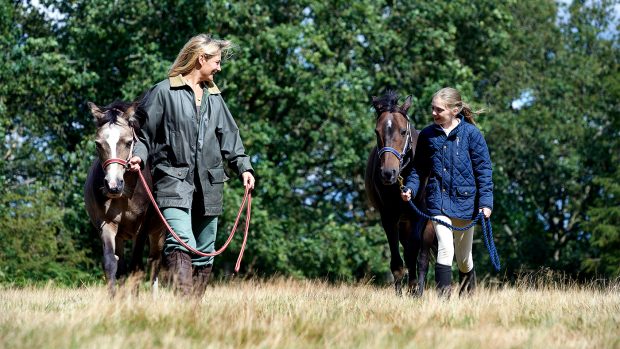
This year in the UK, Father’s Day in the UK falls on Sunday, 19 June, so we’ve found a great selection of horsey gifts for your dad. Whether’s he an un-horsey dad who deserves a medal and never had to get close to a horse until you showed an interest, or has many tales to tell of his hunting days pre-ban, the chances are your dad has helped you (and your horse) out at some point.
Dads are often seen doing heavy lifting at the yard, stepping in to be a last-minute driver or groom, or getting in the bacon rolls on show day – so we reckon he deserves a treat. Whether you’re looking for a keepsake, day out, funny gift or card, one of these horsey Father’s Day gifts should do the trick…
Great horsey gifts for dads for all budgets

Funny “I’m still waiting” card
RRP: £3.95 |
The perfect card if you’re still waiting for your pony.
View now at etsy.com

Behind The Scenes Newmarket Tour
RRP: From £75 |
A great gift for a racing fan, this guided tour takes you around the famous training grounds, racing yards and the National Stud. Or check out more horse experience day ideas nearer to you.
View now at virginexperiencedays.co.uk
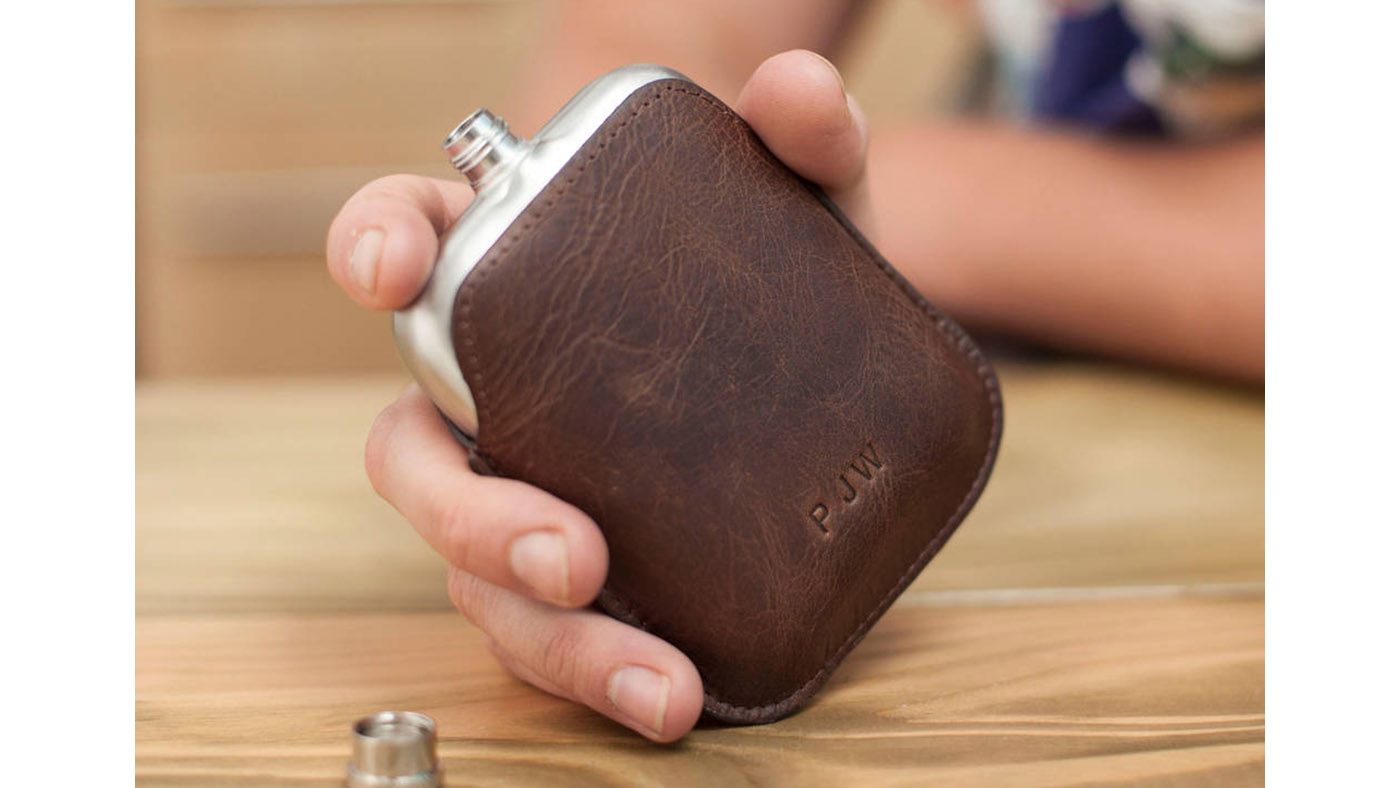
Hip flask with personalised leather sleeve
RRP: £30 |
Personalise the leather sleeve with up to four characters, which is perfect for your Dad’s initials or “Dad”. Find more hip flasks here.
View now at notonthehighstreet.com
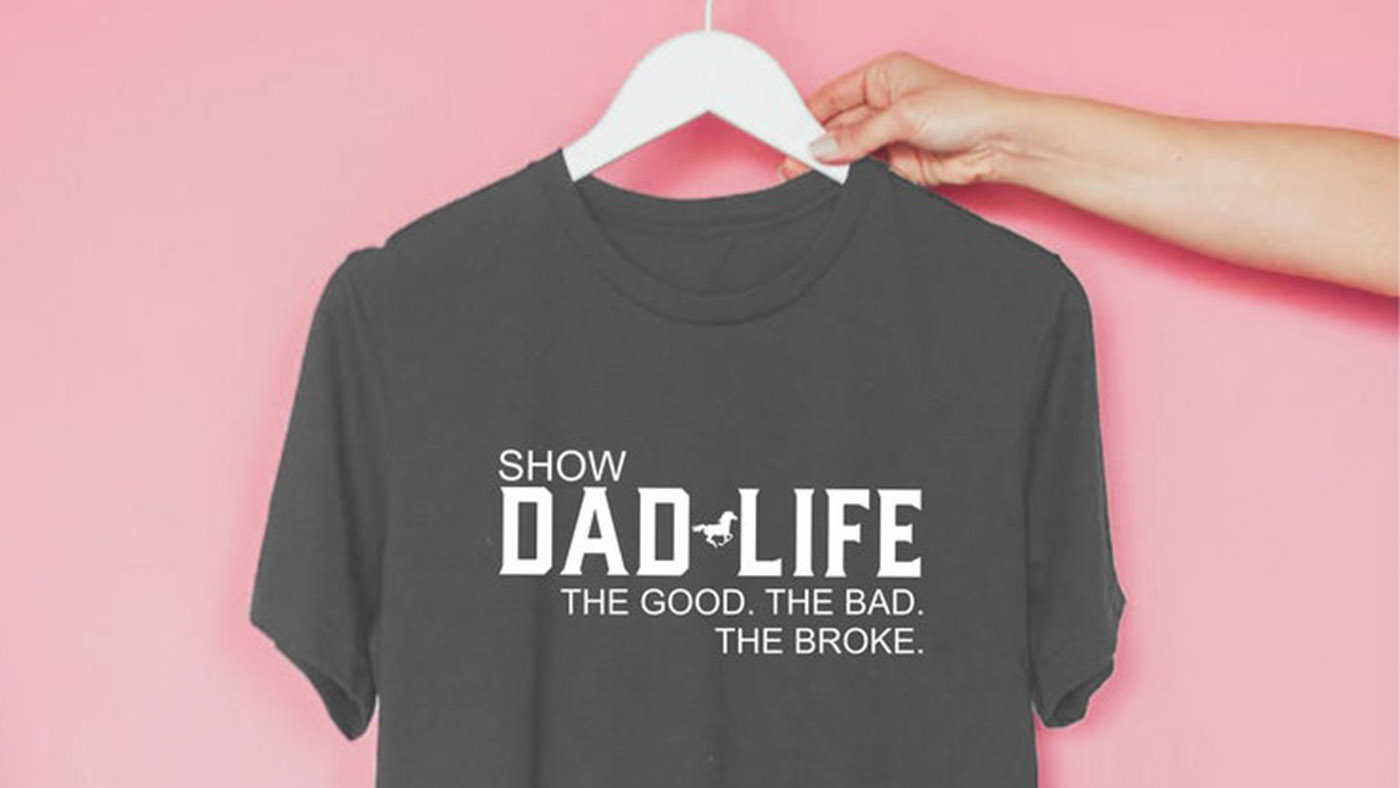
Show dad T-shirt
RRP: £22.51 |
Available in a range of colours, this T-shirt is an ideal gift if you’re into showing.
View now at etsy.com

Funny Thoroughbred card
RRP: £3.55 |
The message inside reads “…from your little nag”.
View now at zazzle.co.uk
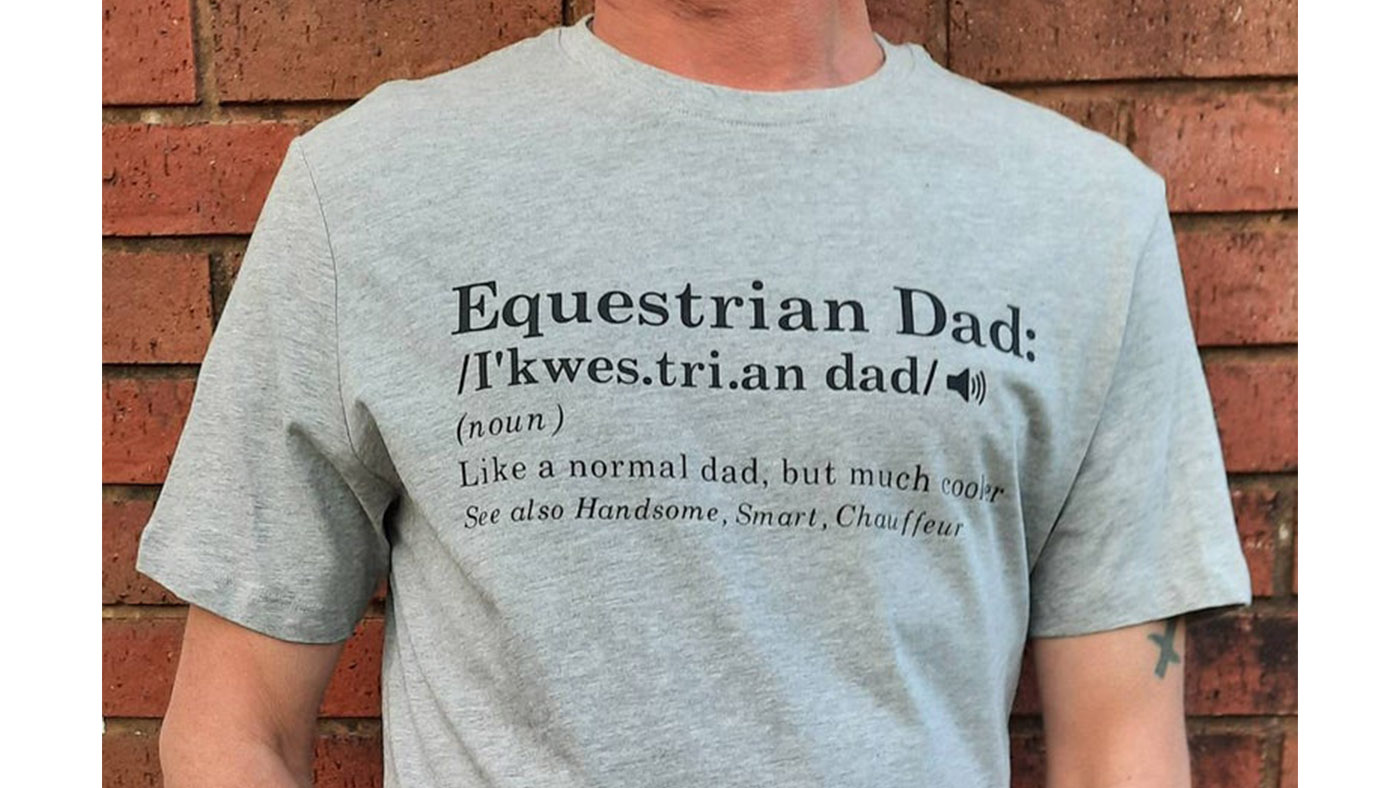
Definition of equestrian dad T-shirt
RRP: £12.99 |
This T-shirt is perfect for a dad who is always down the yard.
View now at etsy.com

Jousting experience
RRP: £199 |
If your dad fancies himself as a knight in shining armour, gift him a day’s jousting experience in Warwickshire – suitable for all levels. Or check out more horse experience day ideas.
View now at buyagift.co.uk or intotheblue.co.uk
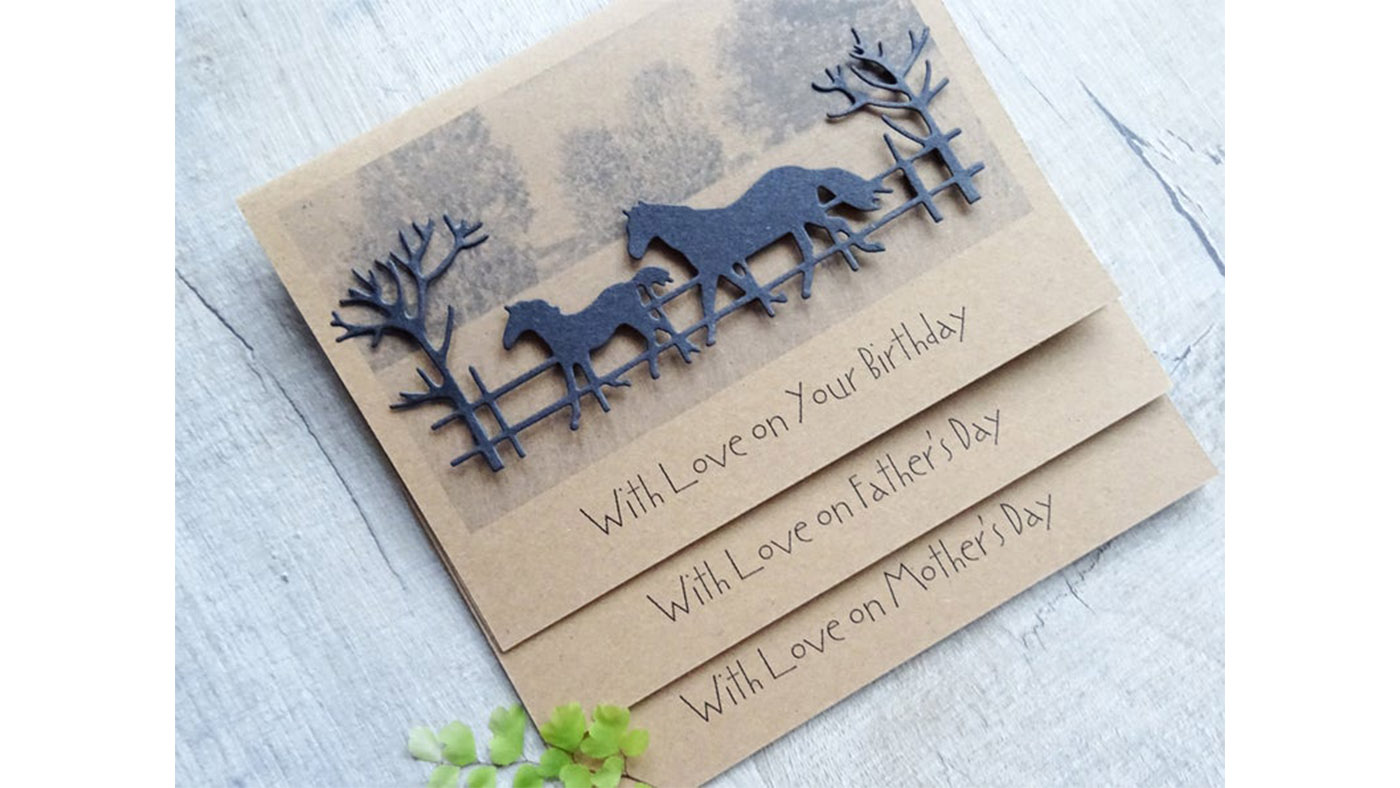
Handmade 3D card
RRP: £4.50 |
This card has a paper-cut 3D scene with two horses.
View now at etsy.com
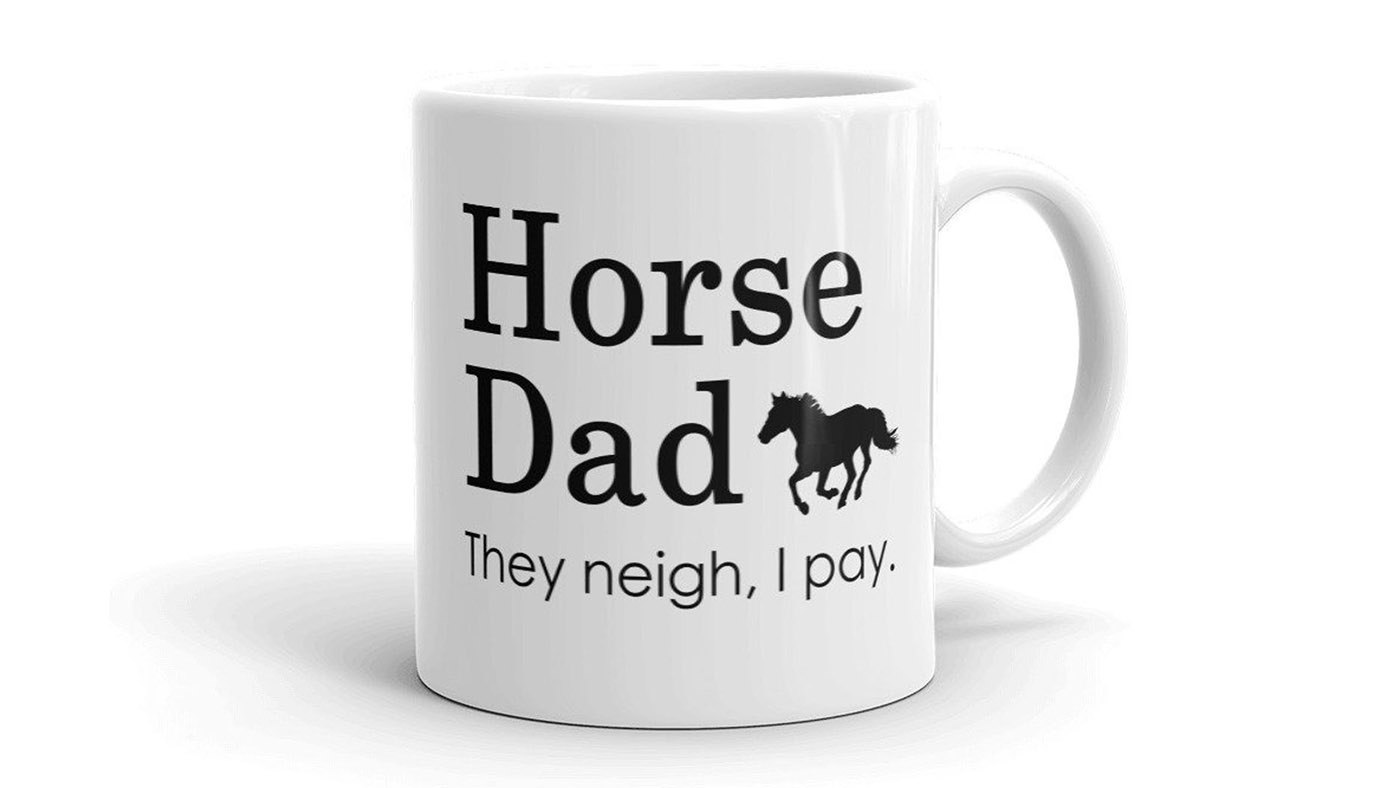
Funny horse dad mug
RRP: From £16.20 |
This mug is a perfect gift for a dad who is always there to help you out.
View now at etsy.com

Horse & Hound subscription
RRP: From £21.99 |
We might be biased, but no equestrian has everything worth having if they don’t have a subscription to the “equestrian Bible”. Help your loved one keep their finger on the pulse of the horse world with this gift that keeps on giving – choose from print, digital or combined subscriptions, a range of payment options and great savings. You can also gift unlimited access to the H&H website.
View now at magazinesdirect.com

Racing cufflinks
RRP: £32 |
These pewter cufflinks are a classic Father’s Day gift.
View now at notonthehighstreet.com

The July Festival at Newmarket tickets
RRP: From £27 |
These three days of top-class racing (7–9 July) includes one of the most prestigious sprint races in the world, attracting horses from across the globe.
View now at thejockeyclub.co.uk
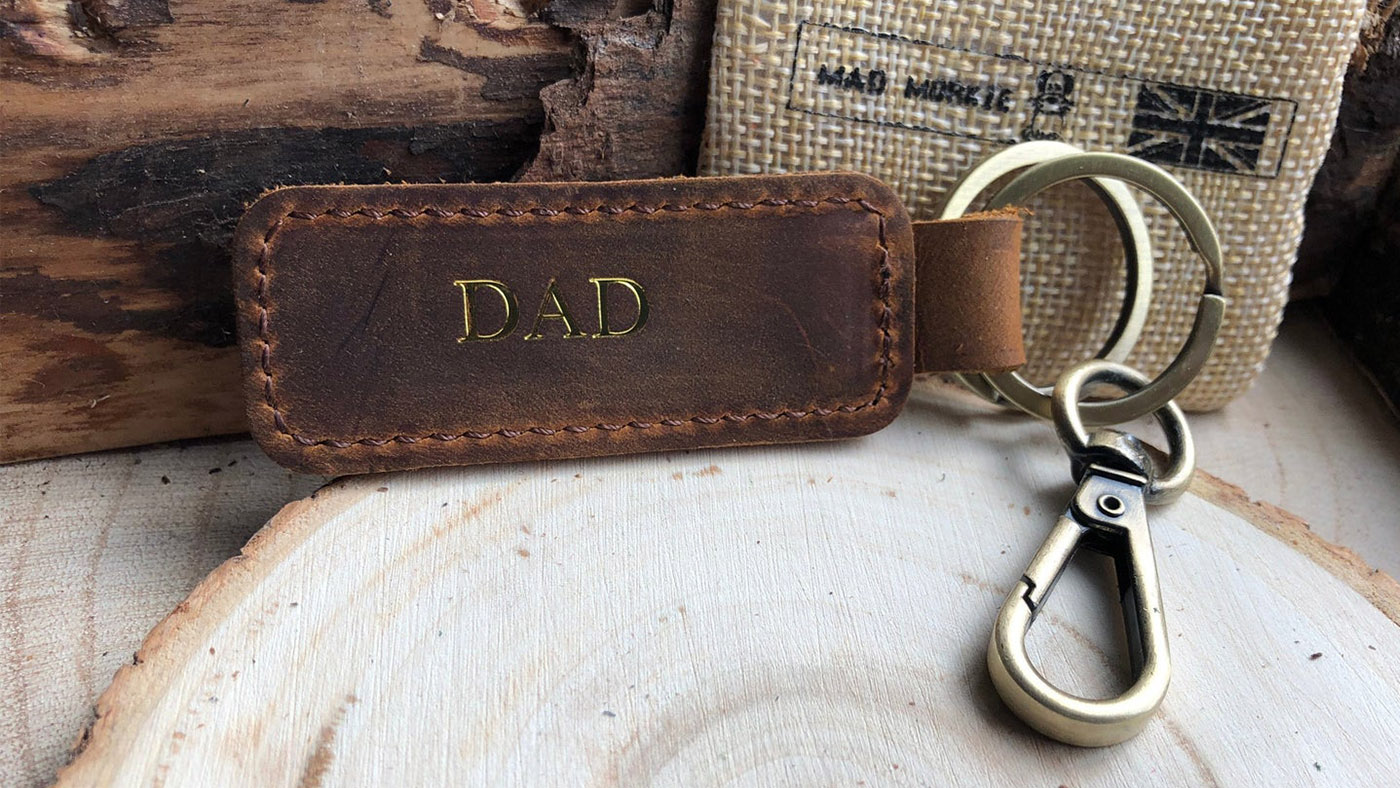
Personalised leather keyring
RRP: £9.99 |
This keyring will make the perfect addition to your dad’s set of keys.
View now at etsy.com

Horse racing card
RRP: £3.75 |
This card is a lovely gift for a racing fan.
View now at etsy.com

Horse dad T-shirt
RRP: From £18 |
Available in a wide range of colours, this T-shirt is a great gift for a horsey dad with a sense of humour.
View now at etsy.com

Eco-friendly card
RRP: £2.95 |
This card comes with no plastic wrap.
View now at notonthehighstreet.com
You might also like:

Jousting to driving, meditation to trick riding – fantastic horse experience days around the UK

9 reasons your (unhorsey) dad deserves a medal this Father’s Day
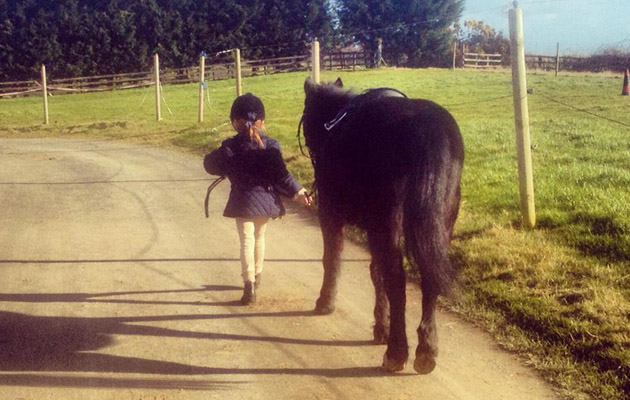
7 things no father of horsey children wants to hear
To celebrate Father’s Day today, we take a light-hearted look at what our long-suffering dads have to put up with

14 horsey gifts for the men in your life

Subscribe to Horse & Hound this spring for great savings
Horse & Hound magazine, out every Thursday, is packed with all the latest news and reports, as well as interviews, specials, nostalgia, vet and training advice. Find how you can enjoy the magazine delivered to your door every week, plus options to upgrade your subscription to access our online service that brings you breaking news and reports as well as other benefits.