Dehydration in horses will not only affect a horse’s performance — it can also be life-threatening. Long hot dry spells are being seen increasingly often in the UK, so when they do occur, owners need to take extra precautions to keep their horses fit and well.
How to prevent dehydration in horses
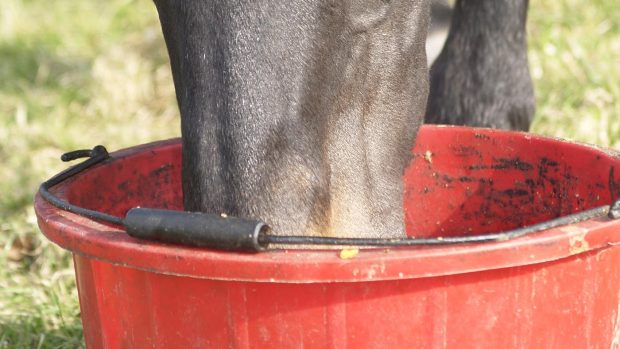
Have fresh, clean water available at all times. Do not restrict your horse’s access to water at competitions. If your horse does not like the taste of water when you travel, take some from home or flavour it with something like mint, apple juice or one of the special products designed to help horses drink that are now on the market.
For a horse who doesn’t drink well, a switch to haylage can be advisable because of its higher moisture content. This provides the horse with water and may reduce the risk of colic. Soaked hay is a cheaper alternative.
After exercise on a hot day, reduce sweat losses by cooling your horse off thoroughly as soon as possible after exercise. Once the horse stops sweating, it will become less dehydrated.
At summer competitions, try to keep your horse in the shade wherever possible. Your horse will be losing water without you necessarily being able to see it.
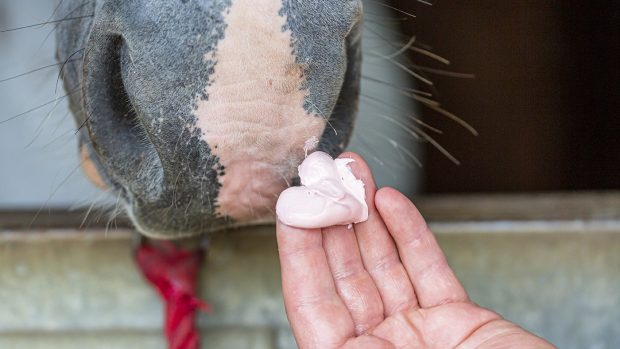
Electrolytes should be used to help replace the essential salts in the body that are lost through sweat.

Science Supplements Complete Electrolytes at viovet.co.uk
Available as a daily supplement or instant syringe, these highly palatable, fully balanced electrolytes replace those lost during exercise while being gentle on digestion, too.

Equine America Apple Lytes at amazon.co.uk
These apple and cherry flavour electrolytes provide a careful balance of sodium, potassium, chloride, calcium and magnesium, while promoting drinking and rehydration.
Measuring dehydration in horses
The gold standard test is to take a blood sample as this will reveal the level of proteins in the plasma and the proportion of red blood cells in the blood compared with the plasma.
However, there are other, more practical, indicators of dehydration that you can keep an eye out for:
- A horse that produces dark urine or who has not passed urine for some time
- The appearance of the mucous membranes — if they are congested and are red in appearance, the horse is dehydrated
For a long time the skin pinch test was used to test hydration levels. The skin, typically over the neck, is pinched up and the time it takes to return to normal is counted in seconds. However, several recent studies have shown that this is not a particularly good indicator of dehydration, so it should not be relied upon.
Why do horses become dehydrated?
The horse is highly adapted to lose heat through sweat, and does so more efficiently than any other animal. In the performance horse, heat is dissipated through not only sweat, but also by increased respiration rate. Both cause the horse to lose water.
Equine sweat is hypertonic — it contains more salts than body fluid — which means that a sweating horse loses more electrolytes than water. Typically, a working horse will lose 7-8 litres in an exercise bout, although the maximum sweat rate measured for horses is 15 litres per hour. The rate does vary depending on temperature, sunshine, level of fitness and work.
Offering water alone to a dehydrated horse does not rehydrate it. Instead, the water dilutes the body fluids surrounding the tissues, which in turn “turns off” the thirst mechanism. The best rehydration therapies include the use of electrolyte preparations, either in feed or water, to stimulate drinking.
You may also be interested in…
Why electrolytes are vital for healthy horses – and what’s on the market?

When is it too hot to ride? Your warm weather questions answered…

8 essential tips to help keep your horse cool when temperatures soar

Laminitis: how to spot the signs, plus treatments and ways to prevent it
10 ways to beat sweet itch this summer

Subscribe to Horse & Hound magazine today – and enjoy unlimited website access all year round
Horse & Hound magazine, out every Thursday, is packed with all the latest news and reports, as well as interviews, specials, nostalgia, vet and training advice. Find how you can enjoy the magazine delivered to your door every week, plus options to upgrade your subscription to access our online service that brings you breaking news and reports as well as other benefits.