Horse Care
Welcome to the home of Horse & Hound’s horse care content online. This section of the website includes expert veterinary advice, general horse care tips, advice on feeding your horse, plus tips for buying and selling and the latest breeding news and advice.
-

-
Preparing your mare for breeding: the pre-breeding checks every owner should know about
-
17 ways you can help your horse lose weight
-
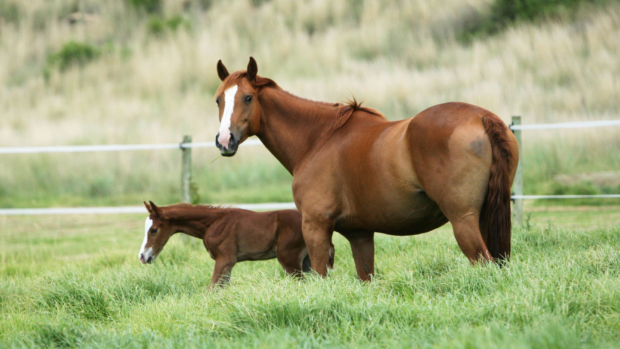
Understanding the equine breeding season and your mare’s oestrus cycle
-
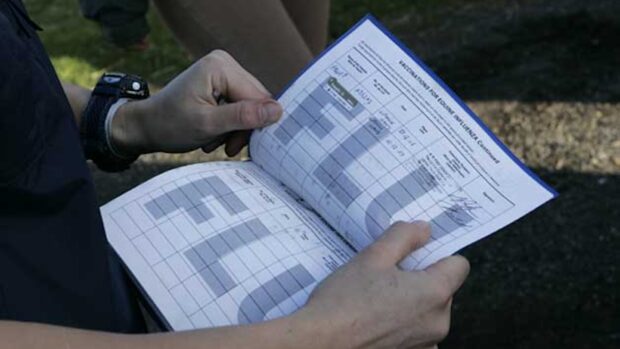
Equine flu: what horse owners need to know during the current outbreak in Britain
-
Could LeMieux’s new grazing muzzle help make tackling equine obesity cool?
-
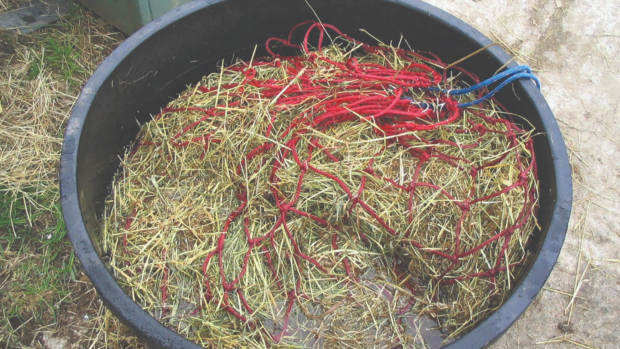
How long should you be soaking hay for horses? An expert explains
-
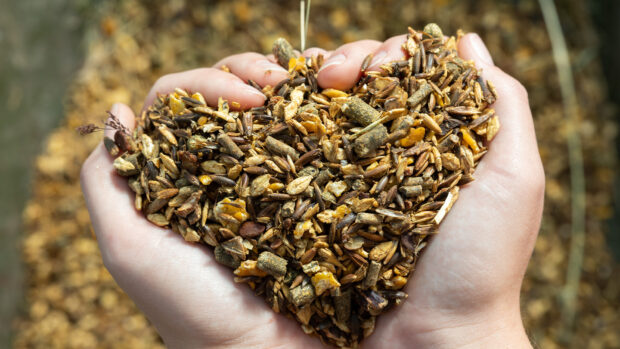
How much to feed a horse, and what can horses eat? Everything a first-time owner needs to know
-
The golden rules of feeding horses that all owners should know
-
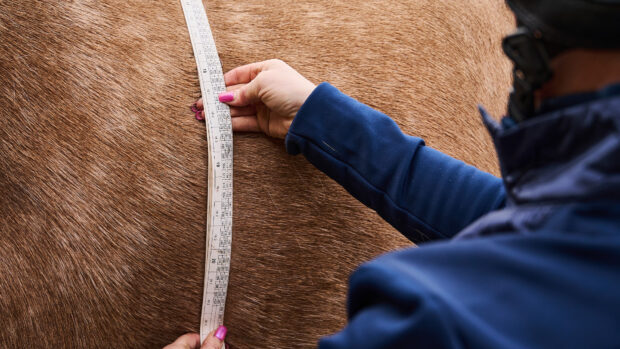
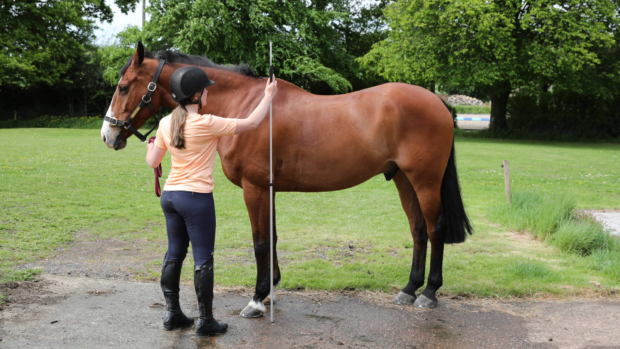
How to measure a horse, and what is a lifetime height? H&H explains...
-
Horse owners warned to be vigilant after ‘marked increase in equine flu’ cases
-
How much does it cost to breed a horse? H&H crunches the numbers
-
Do you really know enough to put your mare in foal? I love my horse, but I regret breeding him...
-
What you need to know about towing limits for horse trailers to keep your horse safe
-
8 jobs in the horse world that you might not have considered previously
-
Types of livery to consider when looking for somewhere to keep your horse
-
How to spring clean your stable, with tips from a vet hospital supervisor and five-star eventing groom
-
7 spring horse care hacks and helpful advice to make this season a breeze
-
Helpful advice for owners on how pre-existing conditions and exclusions affect your horse insurance
-
How much does a horse cost a month? H&H does the maths so you don’t have to...